Full Article
about Benafer
Small farming town near Caudiel, known for its natural springs and quiet streets perfect for a restful getaway.
Hide article Read full article
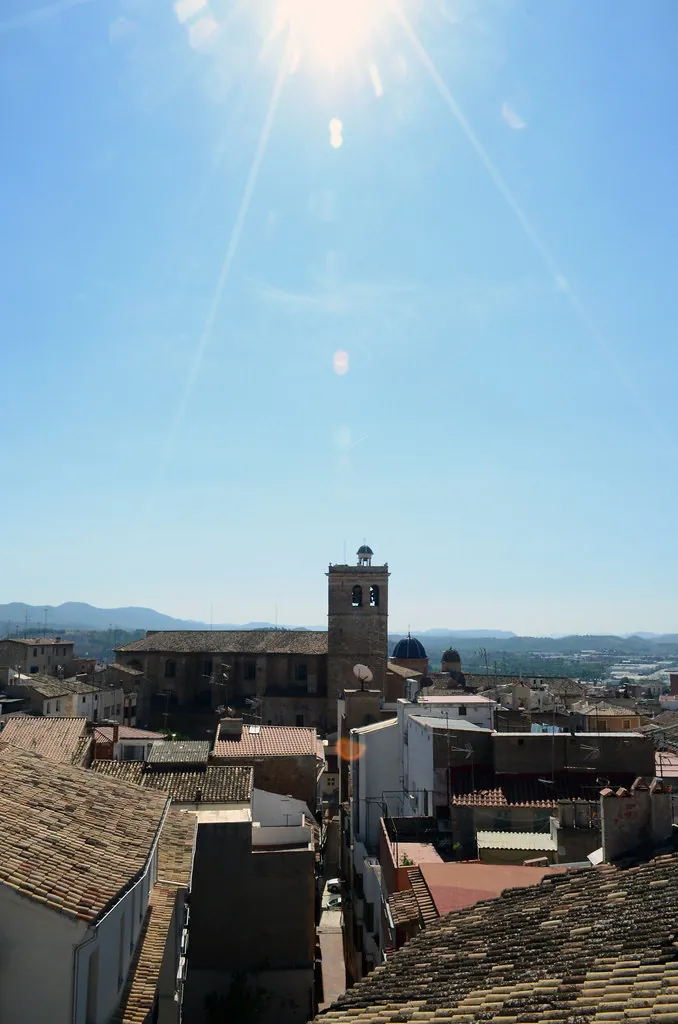
The light in Benafer has a particular weight. It falls in thick, warm blocks between the houses in the late afternoon, bleaching the pale stone of the church and casting long shadows down streets so quiet you can hear a shutter creak two alleys over. At 587 metres up, in the folds of the Sierra de Espadán, the air is dry and carries the scent of thyme and baked earth from the fields that begin where the last pavement ends.
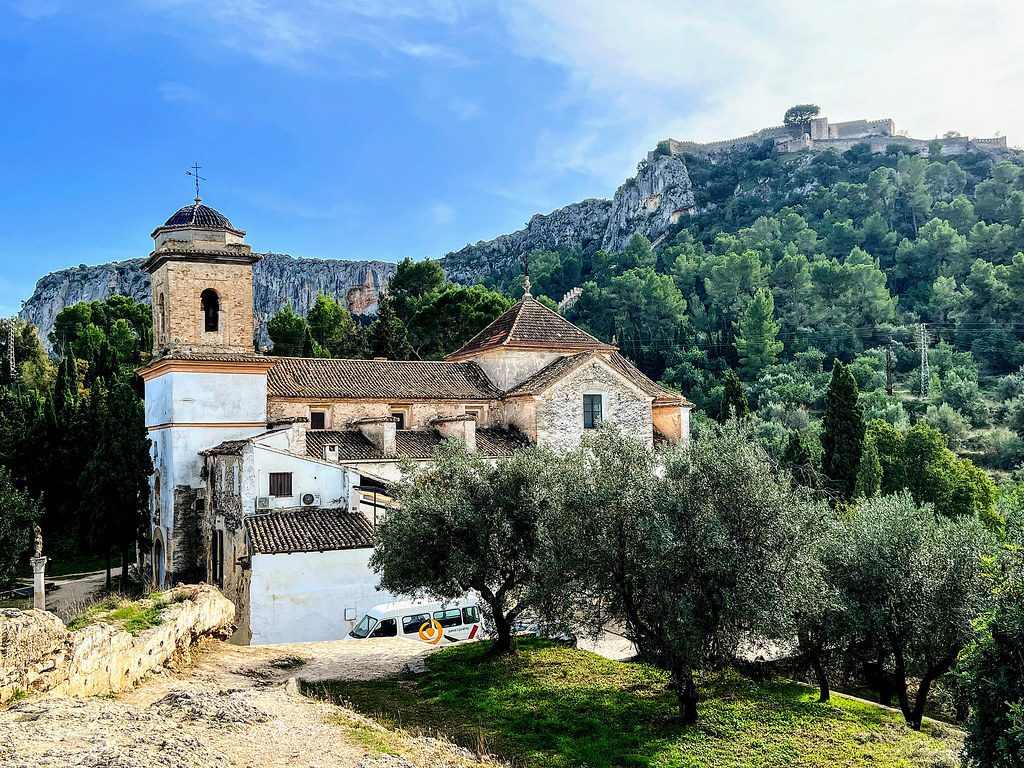
Life here is calibrated to the land. You see it in the hands of the man mending a dry stone wall by the cemetery, in the slow pace dictated by the cuesta up to the church. With fewer than two hundred people, the rhythm is agricultural and internal. The point of reference is the parish church of San Miguel Arcángel—simple, thick-walled, cool inside even in August. The streets around it are a brief maze of stone and lime-wash, their silence broken only by the distant hum of a tractor or the clatter of dishes from an open kitchen window.
Walk for ten minutes in any direction and you’re among almond groves. The terraces here are old, a geometry of effort built from local stone. In late February, if the winter has been kind, the trees break into a fleeting cloud of white and pink blossom. By June, the green has faded to a dusty silver, and the heat presses down by eleven in the morning. If you’re walking then, go early. Take water. The paths are unsheltered, following the lines of old boundaries, their edges fuzzy with gorse and rosemary that release their scent when you brush past.
A calendar marked by saints and returns
The year turns on two hinges. In September, for the fiesta mayor of San Miguel Arcángel, the few streets fill with neighbours for a procession and shared meals—a local affair, not a spectacle. In August, things shift slightly. Families who’ve moved away return, voices echo in the plaza at night, and there might be music. It’s a good time to sense the community beneath the quiet, but don’t expect programmed entertainment. For most of the year, social life happens indoors or at doorsteps.
Practicalities for a pause
Benafer isn’t a destination; it’s a pause. It works best as part of a wider drive through the Alto Palancia region. You’ll likely approach on winding regional roads through rolling sierra, passing other small pueblos like Jérica or Caudiel.
Come between spring and autumn. Spring for the green and blossoms, autumn for that low, honeyed light that makes the terraces glow. Winter can be stark and very quiet—some bars may not open midweek.
Services are minimal. There’s no tourist office, no marked museum. You park where you find space, walk the streets until they become paths, and sit on a bench under a pine tree at the edge of town. An hour is enough to absorb its scale.
What stays with you is the directness of it all: how quickly the built streets yield to working land, how the horizon is always there, framed by almond trees on gentle slopes. Benafer makes no special effort for you. It simply is—a village of stone, light, and seasonal labour, holding its own slow pace against the wider world.