Full Article
about Caudiel
A municipality set at a natural crossroads between valleys, known for its Carmelite convent and as a stop on the Vía Verde de Ojos Negros.
Hide article Read full article
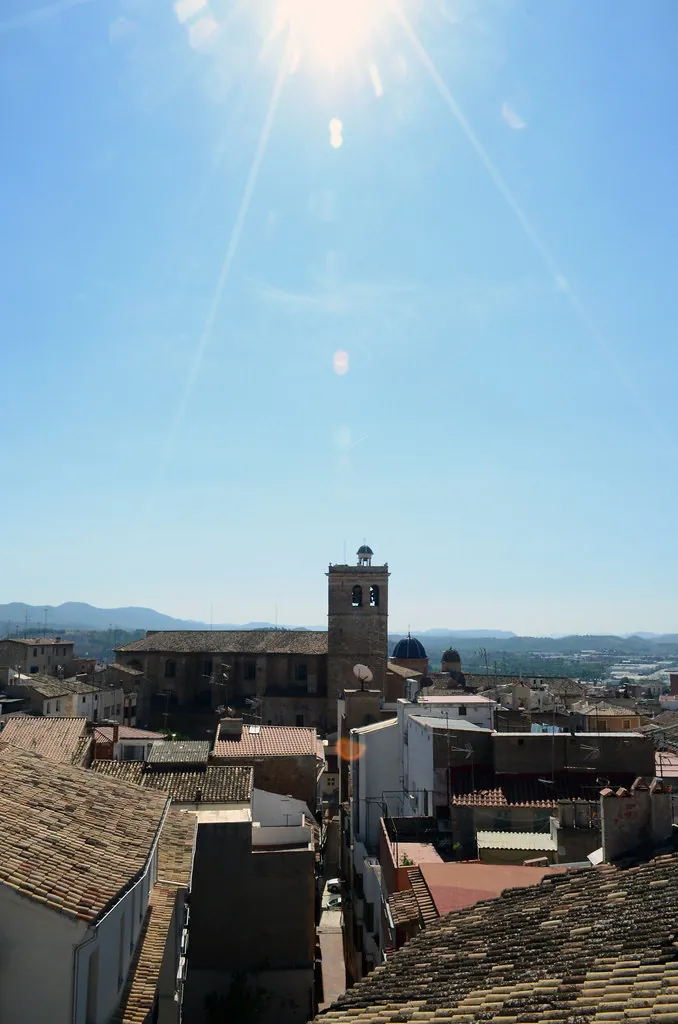
Early in the morning, when the sun just begins to brush the rooftops, tourism in Caudiel feels almost like a silent walk. The air comes down from the sierra carrying the scent of pine and damp earth. In the streets, the sound of a shutter being raised is more common than the hum of a car engine.
Caudiel is a small village in the Alto Palancia, home to just over seven hundred residents and set more than six hundred metres above sea level. That altitude makes itself known, particularly at night. Even in summer, the air cools sooner than many expect.
Stone walls and two-storey houses define much of the centre. Life moves slowly here. Often, what stands out is not a single landmark but the echo of footsteps on cobbles or the smell of firewood when winter arrives.
Through the Old Town Streets
The streets in the historic centre are narrow, with gentle slopes that encourage an unhurried pace. Many façades still show exposed masonry. Wrought-iron balconies cast thin shadows across the walls when the sun falls at an angle.
The parish church of the Asunción appears suddenly between the houses, its volume noticeably larger than the surrounding buildings. The structure reflects different phases of construction. Inside, it preserves religious pieces that have been here for generations, closely linked to village life rather than to passing visitors.
Early morning and late afternoon suit a walk through the old town best. Around midday, especially in summer, the light falls almost vertically and the heat lingers between the walls.
Between Terraces and Pinewoods
Beyond the edge of the village, terraces of olive and almond trees begin to spread out. Some are still cultivated, while others have gradually filled with low grass and thyme. The rural tracks that once connected orchards and fields remain in use today for walking or cycling.
From the higher points, the landscape of the Alto Palancia opens up. Gentle hills roll into the distance, patches of pine forest break up the view, and the occasional ravine cuts through the terrain. These are not marked viewpoints or prepared platforms. They are simply clearings along the path where the valley suddenly comes into sight and invites a pause.
February and March bring the almond blossom. Fields turn white and pink for a short, changeable period. Some years, warm spells shorten the display.
Walking at an Easy Pace
Several straightforward routes begin around the village and cross fields and pinewoods of Aleppo pine, known locally as pino carrasco. The walks are not demanding. They are long, calm stretches where the landscape shifts subtly: an abandoned terrace, a small stone agricultural hut, the dry sound of pinecones hitting the ground.
Winter mornings can bring frost to the soil. In summer, it is wise to set out early, as shade is limited along certain sections.
The appeal here lies less in ticking off sights and more in the rhythm of walking. The terrain changes gradually, and the details reveal themselves without fanfare.
Local Flavours
Cooking in Caudiel remains direct and rooted in the area. Seasonal vegetables feature prominently. Olive oil produced locally plays a central role. When colder weather arrives, spoon dishes become more common, hearty and suited to the drop in temperature.
Many ingredients come from nearby market gardens or from traditional crops grown in the valley. After time spent on the surrounding paths, a simple meal often tastes better than expected.
Food here is tied to the land and to the calendar. It follows the pace of the fields rather than passing trends.
Festivities and Village Life
Throughout the year, celebrations follow the religious and agricultural calendar. The main festive days usually gather around August. Streets host events, and neighbours who return to the village for the summer join in the gatherings.
Spring brings smaller get-togethers linked to the almond blossom. These occasions are not designed to attract large crowds. They are moments when familiar faces fill the streets and conversations stretch out without hurry.
Daily life in Caudiel continues at a steady rhythm outside these dates. Visitors who arrive during a celebration encounter a village that feels fuller, though still close-knit.
When to Go and How to Get There
Caudiel lies about 45 kilometres inland from Castellón de la Plana. The approach follows roads that cross the Palancia valley and low sierras covered with pine trees.
Early spring and the beginning of autumn are usually the most pleasant times for walking in the area. Summer days can be hot, yet temperatures drop quickly once evening arrives. In winter, warm clothing is advisable. The altitude becomes noticeable as soon as the sun sets.
Comfortable footwear is enough for exploring the village itself. Cobbled streets and short slopes appear when least expected. Should questions arise about paths or nearby spots, the simplest solution is often to ask someone out on the street. Answers tend to come calmly, with directions that almost always begin with a version of, “go straight on and then you’ll see…”.