Full Article
about Chóvar
Municipality tucked into the Sierra de Espadán, ringed by cork oaks; noted for its reservoir and hiking trails in lush green surroundings.
Ocultar artículo Leer artículo completo
The church bells ring at 415 metres above sea level, their sound carrying across terraced hillsides where pine and oak forests alternate with ancient olive groves. Chóvar doesn't announce itself loudly—this modest settlement of 310 souls clings to a mountainside in the Sierra de Espadán, forty-five kilometres northwest of Castellón de la Plana, and requires a deliberate journey to reach.
The approach road winds through the Alto Palancia valley before beginning its ascent. CV-25 delivers drivers to the foothills, then local roads climb sharply. Hairpin bends demand attention; rental car clutches take a battering. Those arriving in July or August should tackle the drive early morning—midday heat makes engines labour and tempers fray. But the reward arrives suddenly: a village that appears to grow directly from the rockface, its houses stepping down the slope in irregular terraces, each seeming to prop up the next.
Stone Walls and Mountain Calls
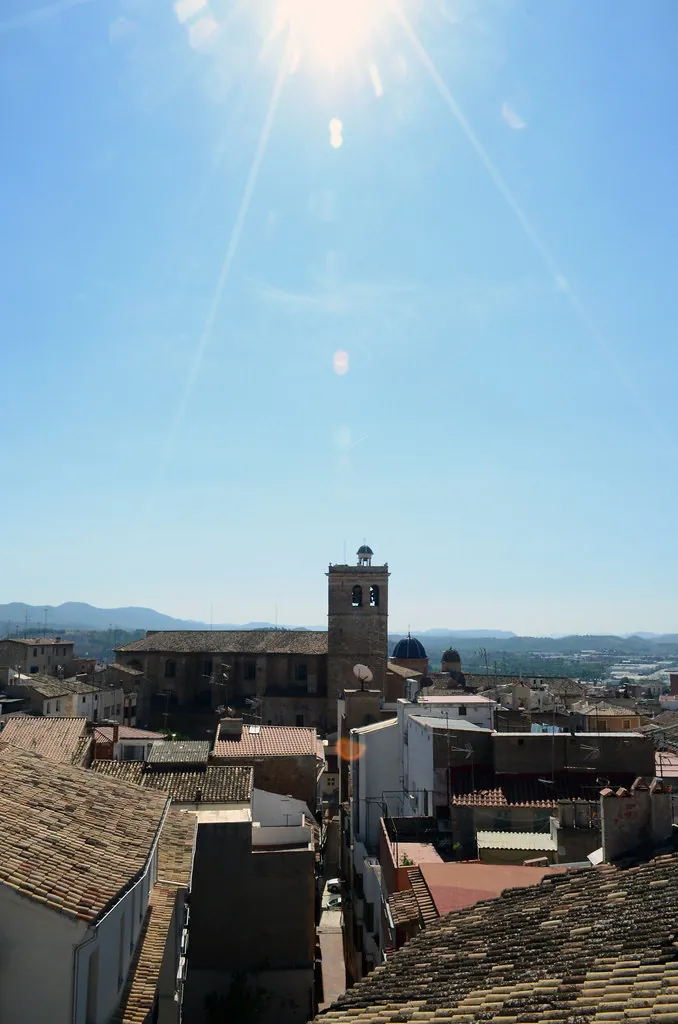
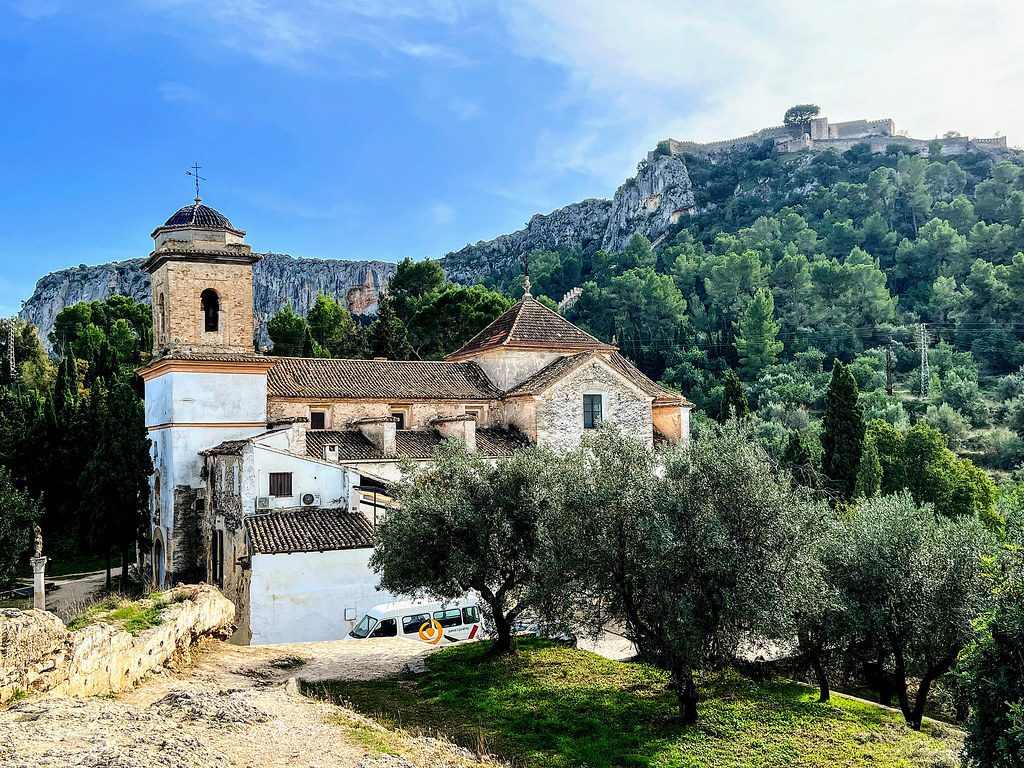
Unlike the polished coastal resorts an hour east, Chóvar's architecture remains defiantly practical. The Parish Church of the Purísima Concepción dominates the upper streets with its honey-coloured stone facade, built from local materials that blend seamlessly with surrounding houses. Narrow lanes twist between dwellings whose stone doorways still bear the marks of craftsmen who worked here centuries ago. Iron balconies jut overhead; terracotta tiles weather to ochre and rust. Some properties have undergone tasteful restoration, yet enough original fabric survives to understand how families lived when this was purely an agricultural community.
The village layout reflects its topography rather than any grand urban plan. Streets rise and fall with the terrain; what appears level suddenly drops away, revealing views across the Palancia basin. Parking becomes an exercise in creative positioning—space is limited, particularly during fiestas when returning expats flood back with British-registered vehicles. Weekend visitors should arrive before 11am to secure spots near the church square.
But Chóvar's real appeal lies beyond its built environment. The Sierra de Espadán surrounds the settlement with Mediterranean mountain landscape: Aleppo pines dot the ridges, cork oaks cling to sheltered slopes, and red sandstone outcrops provide dramatic contrast against green vegetation. This is walking country, though trails demand respect. Local footpaths marked with yellow-and-white paint lead directly from street ends into proper mountain terrain. The shortest circular route takes ninety minutes; longer hikes connect with the GR-36 long-distance path network. Summer walkers should carry water—lots of it—because mountain streams dry to trickles by June.
When the Mountain Provides
Autumn transforms these hills into a forager's paradise. Mushroom hunters appear with the first October rains, wicker baskets in hand, seeking níscalos and rovellons that fetch premium prices at Castellón markets. But novices beware: the difference between edible and lethal varieties can be microscopic. Local wisdom suggests joining guided walks rather than relying on phone apps—hospital admissions for mushroom poisoning spike annually when overconfident tourists mistake toxic species for dinner.
The village's culinary traditions reflect its mountain isolation. Game stews appear on menus when hunting season permits; wild boar and rabbit feature prominently in family recipes passed down through generations. Local restaurants—really just two establishments serving proper meals—specialise in hearty mountain cooking. Expect clay pots of lentils with morcilla, thick soups fortified with mountain herbs, and embutidos cured in the crisp mountain air. La Posada de Chóvar, the village's only listed accommodation, serves set menus featuring these dishes alongside locally-produced wine. Prices hover around €15-18 for three courses—remarkable value compared with coastal equivalents.
Spring brings different flavours. Wild asparagus sprouts between March and May; villagers guard productive spots with proprietary zeal. The local market (Fridays, 9am-1pm) sees women selling bundles of foraged greens alongside honey from mountain hives. This is when Chóvar feels most alive—winter's damp chill recedes, terraces burst with almond blossom, and walking conditions become perfect.
Stars, Silence and Seasonal Rhythms
Night-time reveals another dimension. Light pollution here measures minimal on international scales; the Milky Way appears clearly on clear evenings. Winter nights particularly reward stargazers—cold air holds less moisture, making constellation spotting easier. Bring layers: temperatures drop sharply after sunset, even during summer months. The altitude difference means Chóvar runs five to seven degrees cooler than Castellón coast—welcome relief in August, bone-chilling in January.
Village life follows agricultural rhythms rather than tourist demands. August's fiesta mayor brings temporary animation—brass bands, paella competitions, late-night verbenas where teenagers flirt and grandparents gossip. December's patronal celebrations honour the Purísima Concepción with religious processions blending solemnity with socialising. Outside these periods, tranquillity reigns. British retirees seeking permanent peace should consider practicalities: medical facilities mean a twenty-minute drive to Segorbe, supermarket shopping requires similar journeys, and winter isolation can feel absolute when mountain roads ice over.
The accommodation situation remains limited. Beyond La Posada's eight rooms, options involve renting village houses from departing residents—arrangements typically made through word-of-mouth rather than websites. This isn't necessarily problematic; prices stay reasonable and arrangements remain flexible. But spontaneous weekend trips during Spanish public holidays risk finding nowhere available within twenty kilometres.
Beyond the Village Bounds
Chóvar works best as a base for exploring the broader Sierra de Espadán, whose 31,000 protected hectares contain 54 villages following similar patterns. Drive twenty minutes to Aín for its dramatic gorge walks, or thirty to Eslida for its hermitage perched on impossible cliffs. The region's red sandstone geology creates landscapes quite distinct from the limestone sierras further south—colours shift from ochre through rust to deep purple depending on light conditions.
Access issues occasionally arise. Heavy rains wash debris across mountain roads; winter storms bring trees down. The local council clears routes efficiently, but travellers should check weather forecasts rather than assuming year-round accessibility. Snow arrives perhaps twice yearly—transforming the village photographically but rendering roads treacherous without winter tyres.
Those expecting Chóvar to deliver dramatic highlights will leave disappointed. Its appeal lies precisely in absence—no souvenir shops, no tour buses, no English-language menus. Instead, this is a working mountain village that happens to welcome outsiders who appreciate silence, walking trails, and authentic Spanish rural life. The church bells still mark hours rather than tourist photo opportunities; locals still gather at Bar Central for morning coffee and afternoon cortados. Come with realistic expectations, sturdy footwear, and willingness to adapt to mountain rhythms. Leave the coastline's thumping music and overpriced cocktails to others—Chóvar offers something increasingly rare: Spain as Spaniards actually live it.