Full Article
about Geldo
Small municipality in the Palancia valley with a notable palace of the Dukes of Medinaceli; known for its cultural activity and recent urban art.
Hide article Read full article
Geldo, Alto Palancia: el pueblo que te retiene sin proponérselo
Geldo es ese tipo de desvío que tomas porque un amigo te dijo "pasa por allí, no te llevará tiempo". No vas con grandes expectativas. Vas a ver. Y luego, sin saber muy bien cómo, se te ha ido la mañana entera. Esa es su gracia.
Este pueblo del Alto Palancia, a tiro de piedra de Segorbe y con unos 650 habitantes, tiene un ritmo que no busca convencerte de nada. No es el silencio absoluto ni la postal rural impecable. Es el ruido de fondo de lo cotidiano: alguien barriendo una puerta, una conversación cruzando la calle, el repiqueteo de las campanas marcando las horas. La vida aquí sigue su propio horario, y si te adaptas a él, la visita gana.
Un núcleo compacto y una torre que siempre está ahí
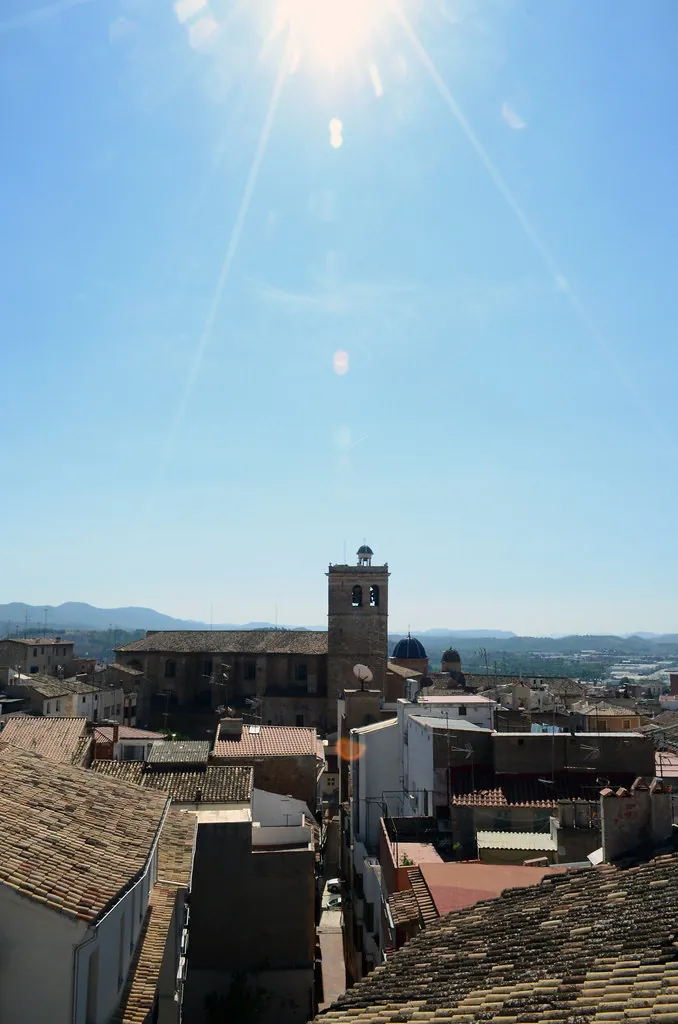
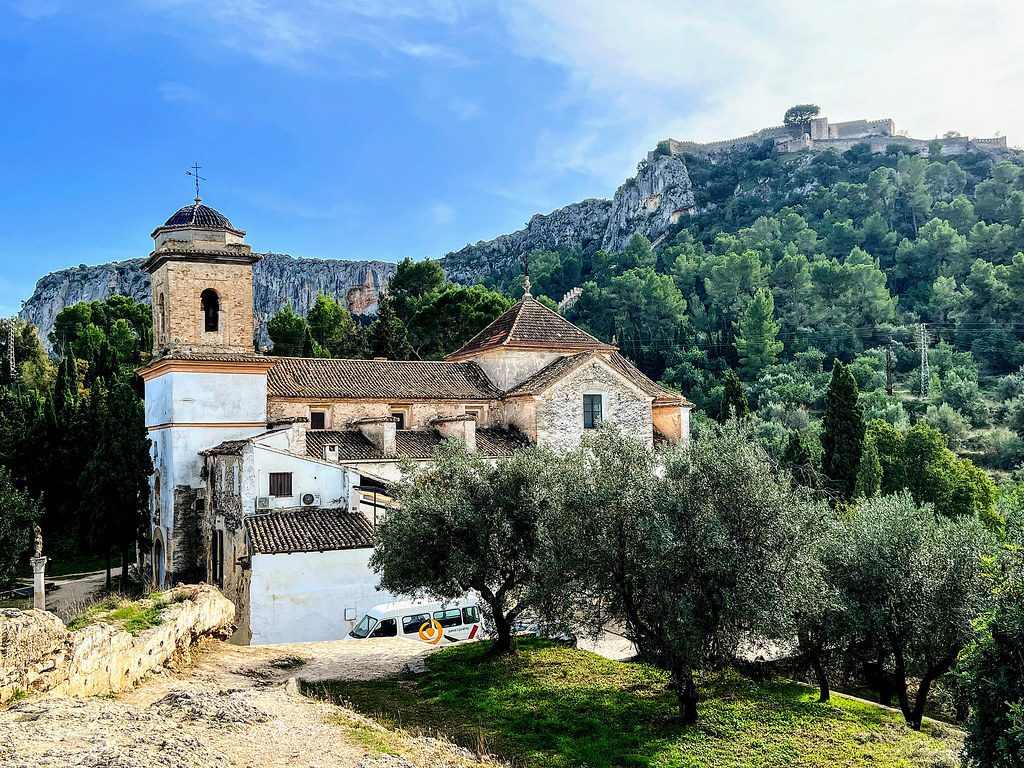
Todo en Geldo gira en torno a la iglesia parroquial de la Inmaculada Concepción. No es una joya arquitectónica perfecta; es un edificio que ha ido creciendo y cambiando con los siglos, y se nota. Su torre campanario es tu punto de referencia constante. Da igual por qué callejón estrecho camines, tarde o temprano asoma entre los tejados.
Las calles son sobrias, con fachadas sencillas y poco ornamento. La Plaza Mayor mantiene esa misma línea: no hay grandilocuencia, solo unos bancos, algo de sombra cuando el sol aprieta y el ir y venir tranquilo de los vecinos. Si buscas el pulso real de un pueblo, el que no sale en las guías, aquí es fácil de encontrar.
El paseo obligado: hacia la Fuente de la Teja
Desde el casco urbano sale un camino que en diez minutos te lleva a la Fuente de la Teja. Es un paseo corto, sin complicaciones. A medida que te alejas, se abren las vistas sobre el valle del Alto Palancia y los campos de alrededor. La clave está en la primavera: los almendros en flor tiñen durante unos días todo el paisaje de un rosa pálido que se va tan rápido como llega, pero que se queda grabado.
Por los alrededores: senderos y miradores
La red de senderos rurales alrededor de Geldo es extensa pero accesible. Son caminos que cruzan cultivos, pinadas y cerros suaves. Uno bastante transitado sube al Cerro del Águila para ganar perspectiva sobre todo el valle. Un consejo: no confíes solo en el mapa del móvil. Algunas cuestas son más serias de lo que parecen sobre el papel.
La gastronomía aquí va directa al grano. Aceite local, almendras, miel de romero y platos contundentes como arroces o guisos lentos. Es comida sin florituras, la que esperarías en una casa particular un domingo cualquiera.
Para quien lleve prismáticos, los campos son un hervidero de pequeños pájaros propios del secano mediterráneo. Y con suerte, desde alguna loma se puede ver planeando a alguna rapaz.
Fiestas: lo local por delante
El calendario festivo en Geldo tiene ese carácter íntimo donde lo importante es quien participa. Las fiestas patronales en diciembre alrededor de la Inmaculada son lo principal. En verano suele haber otro respiro festivo cuando regresa parte de la gente que vive fuera.
La Semana Santa sigue ese mismo patrón: sobria y familiar, a años luz del boato monumental de otras ciudades.
Cómo organizar la parada
Intentar ver Geldo con un checklist sería perder el tiempo. La fórmula funciona mejor así: aparca en las entradas (es fácil), dirígete a la plaza mayor y déjate llevar por las callejuelas hasta topar con la iglesia.
Luego haz ese paseo hasta la Fuente de la Teja y quédate allí un rato sin hacer nada más que mirar al valle. Ese momento tranquilo es probablemente lo mejor que te llevarás del pueblo.
Lo que no suelen contarte
Geldo es pequeño de verdad; dos horas dan para mucho si solo ves el núcleo urbano. Por eso casi nadie viene solo hasta aquí; se combina con Jérica o Navajas o Segorbe para hacer una jornada variada por toda esta comarca. También hay cierta confusión con el paisaje; algunas fotos pueden sugerir grandes rutas montañeras cuando muchos puntos interesantes están a pocos minutos andando entre campos.
Mejor época para ir
Primavera sin duda; además del almendro en flor todo está verde. Otoño tiene esa luz dorada cálida preciosa. En verano hay que madrugar o salir al atardecer porque el calor interior castellonense a mediodía puede ser aplastante. El invierno lo vacía aún más; si buscas desconectar totalmente puede ser tu momento.
Geldo funciona como esa breve parada en una carretera comarcal que termina alargándose porque algo hace clic; no intenta retenerte pero al final lo consigue