Full Article
about Higueras
Quiet mountain town with steep streets and traditional architecture; perfect for unwinding and enjoying the Espadán landscape.
Hide article Read full article
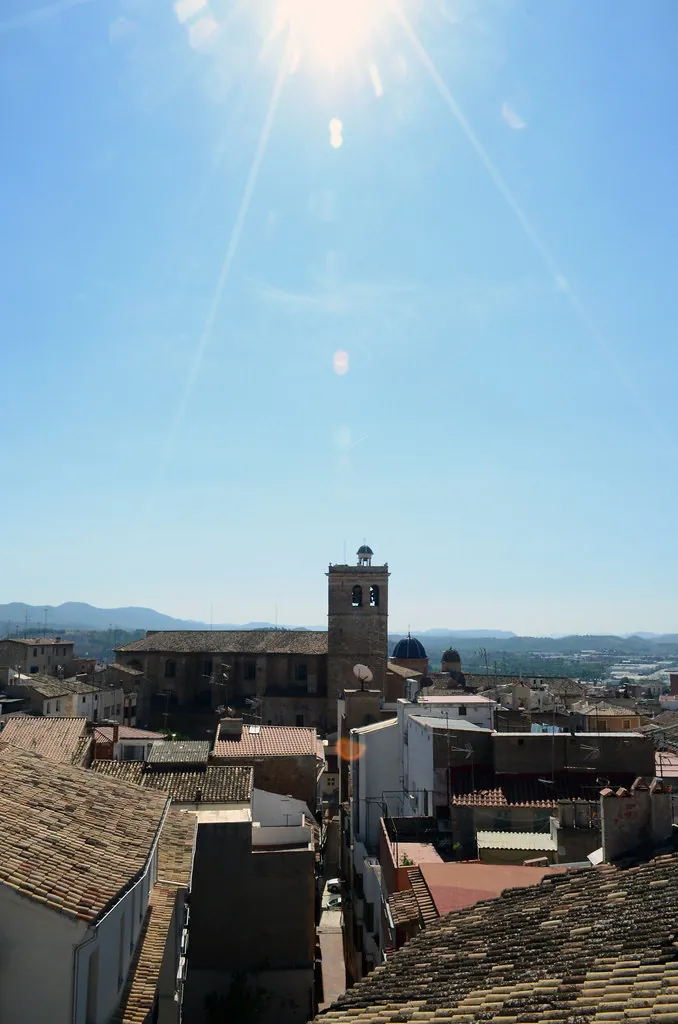
There are places so small you wonder if you have already driven past them without noticing. That is what happens with Higueras, in the Alto Palancia area of the Comunidad Valenciana. The village clings to a hillside and moves at a different rhythm, more like an old clock that seems to tick slower than a mobile phone. Just over fifty people live here through the winter. The feeling is similar to stepping into the home of an elderly relative: everything is quiet, yet each wall carries its own history.
At around 669 metres above sea level, Higueras does not try to impress. There are no landmark buildings or museums filling guidebook pages. What you find instead is silence, steep slopes and stone houses that have real visual weight, like an old rucksack that has clearly travelled far. The view from the narrow, rising streets shifts with the months. Spring turns the hills a vivid green. Summer dries them out into gold. Autumn mutes the tones. Winter is cold but bright, with air that feels newly washed.
A walk through the village, just as it is
Higueras draws interest because it has remained much as it always was. The masonry houses and ageing roof tiles were not arranged for photographs. They resemble the villages that appear in family albums: a little worn, firmly rooted in the past, entirely real.
A walk through the streets brings you past empty animal pens, walls that have partially given way and terraced plots that are no longer farmed as they once were. The atmosphere does not suggest complete abandonment. It feels more like a house used only at weekends. Signs of a busier past are still visible.
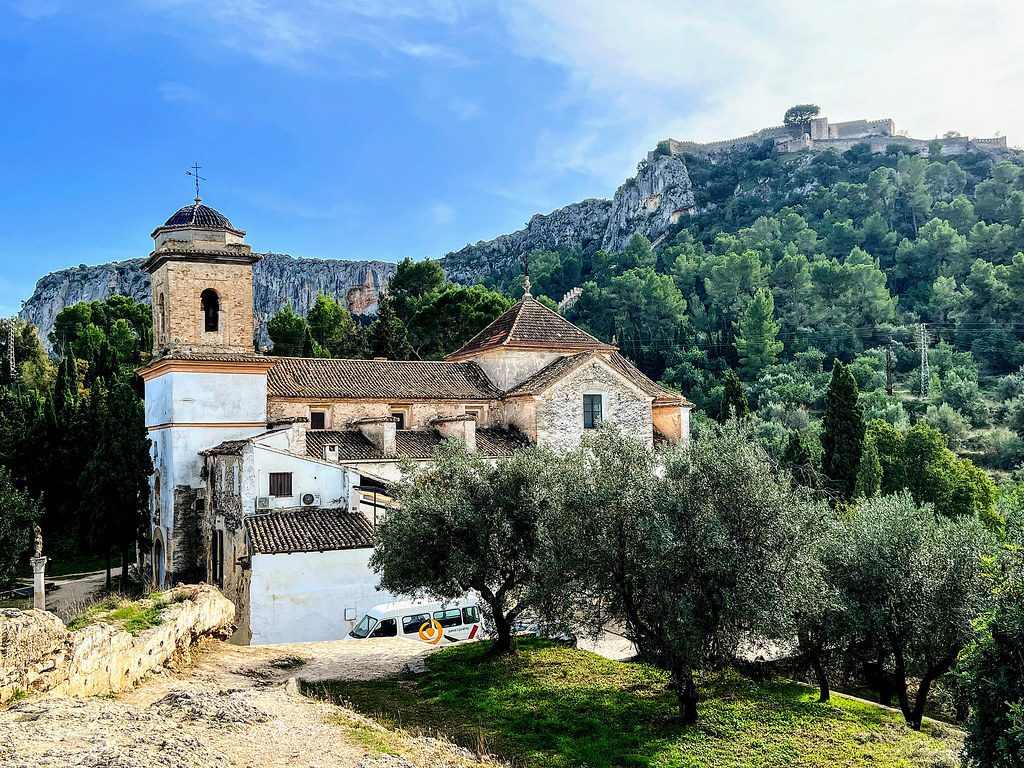
At the centre stands the parish church of the Asunción. It is simple in design. In a city it might pass almost unnoticed, like a small local shop set between large storefronts. Here, however, it carries importance. For generations it has been the meeting point for the whole community, hosting celebrations, farewells and the village festivities.
The hills around Higueras
The countryside begins within minutes of leaving the village centre. Aleppo pine and Mediterranean scrub cover the slopes. This is not a dense forest. The landscape opens out, with sky always visible between the trees.
Many of the paths around Higueras follow old routes. Before cars were common, these tracks connected nearby villages and served as everyday roads. Walking them today has a curious quality. They were once the main arteries of local life. Now they are used by walkers and the occasional resident.
Rocky outcrops rise above the valley. Birds of prey sometimes circle overhead. Binoculars offer a clearer view, yet even without them it is easy to spot the silhouettes as they glide in wide loops, like kites released into the sky.
Winter food and family recipes
The cooking in Higueras follows the same practical logic as the village itself. It is straightforward and designed to cope with cold months in the hills. Hearty spoon dishes, meat, some small game when available, traditionally made bread and local olive oil form the basis of the table.
The recipes bring to mind Sunday family meals at a grandparent’s house. There is nothing elaborate about them, yet they are deeply comforting. Migas appear on the table, along with substantial stews or gazpacho manchego when temperatures drop. These dishes pass from one generation to the next, often without ever being written down.
When the village fills up again
For much of the year Higueras remains very quiet. August changes the atmosphere. The village begins to resemble a family home during the holidays, as those who grew up here or have roots in the area return.
The festivities dedicated to the Virgen de la Asunción usually concentrate the busiest days. Semana Santa also retains its place in the calendar, with modest events that still matter to those who keep the tradition alive.
Winter brings smaller customs, such as the bonfires of San Antonio. People gather around the flames, talk and share hot food. The scene feels elemental, almost like something that could have taken place a century ago.
The road up and the seasons to choose
Most journeys from Castellón follow the A‑23 towards the area of Jérica. From there, secondary roads climb into the sierra. The final stretch includes bends and gradients. It is not especially difficult, though it rewards an unhurried approach. The road was clearly not designed for speed.
Spring and autumn are usually the most pleasant times to explore the area. The hills show more colour and walking is easier. Winter cold makes itself felt, and frosts are not unusual. Some mornings the streets appear dusted with ice. Summer brings heat at midday, although evenings often cool down.
Higueras does not offer grand plans or packed itineraries. It feels closer to calling in on a friend who lives in the hills: a short walk, a long look at the landscape, conversation without hurry. Hours pass without much notice. In a time when most places compete for attention, that slower rhythm says quite a lot.