Full Article
about Jérica
Historic town with exceptional heritage on the Palancia river; its unique Mudéjar tower in the region and hilltop castle stand out.
Hide article Read full article
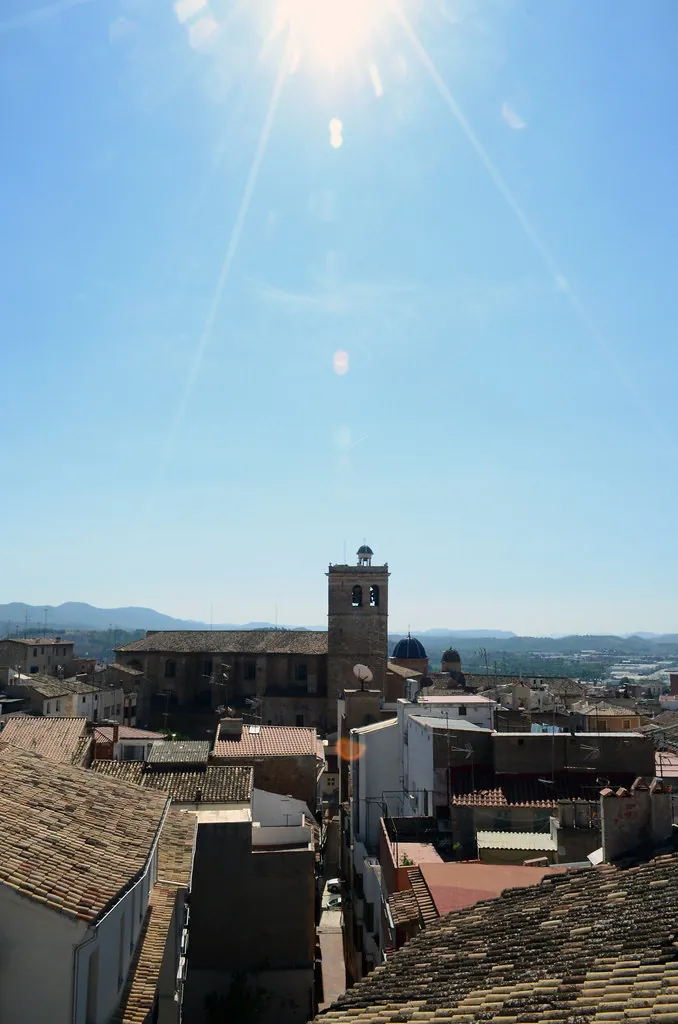
Driving the CV-25 towards Jérica, you get that classic Alto Palancia feeling. It’s a wide valley, relaxed. Then you round a bend and see it: a brick tower with these geometric, green-tiled patterns poking above the rooftops. It’s not shouting for your attention. It’s more like a quiet nod. You instinctively slow down. That’s Jérica for you.
This is a town of about 1,700 people built on a hill, the kind of place where your calves will remind you of the geography. Streets climb, houses huddle together, and the whole thing feels organic, like it grew there rather than being plotted out. The Palancia river valley wraps around it, all almonds and olives.
The Torre Mudéjar isn't just a postcard
Let's talk about that tower. If you've seen one photo of Jérica, it's this. The 14th-century Torre Mudéjar is the real deal—the brickwork, the arches, those glazed ceramic tiles. This is Mudéjar artistry, that unique blend from when Muslim craftsmen worked under Christian rule.
Here’s the thing: it’s not some isolated monument you stare at from a plaza. You discover it piecemeal as you wander the old town. You catch a glimpse between two houses, then lose it, then find another angle down a side street. It feels integrated, which is probably why it survived this long.
A castle for imagination, not reconstruction
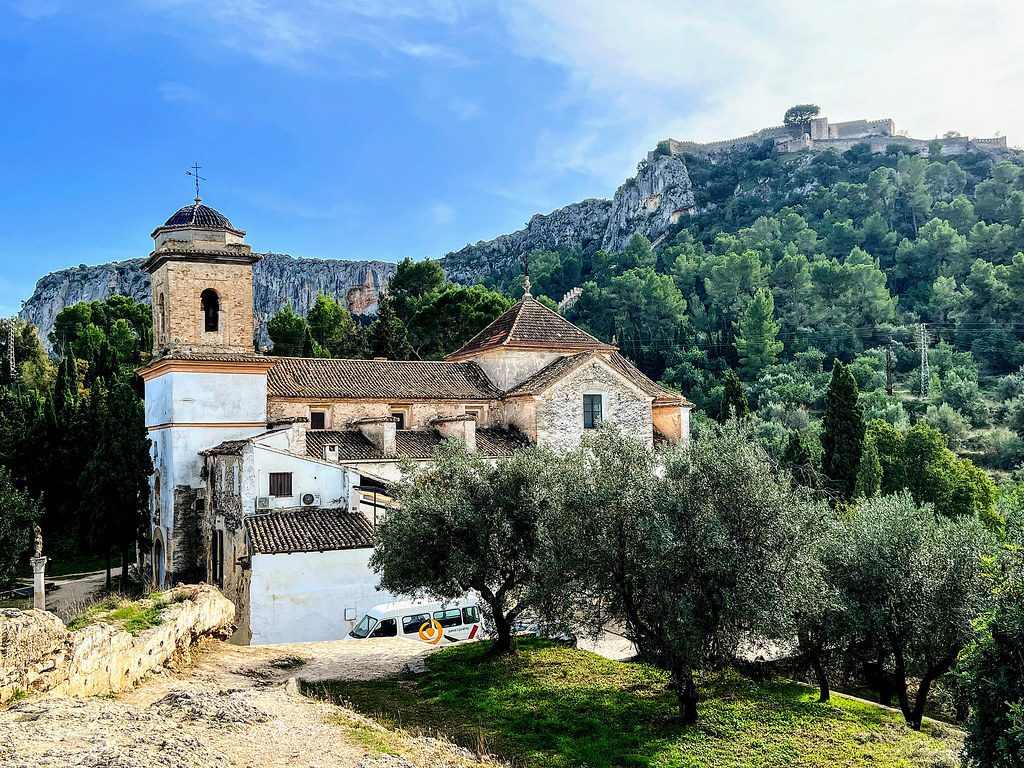
At the top of the hill are the castle ruins. Manage your expectations upfront: this isn't a restored fortress with an audio guide. It's fragments of wall on a hilltop, origins Islamic, later modified by Christians.
What you're really here for is the view. The reward for the uphill walk is a panoramic look over the entire Palancia valley. You can trace the river's path and see how the town tucks into the landscape. It gives you context.
Down in the town, keep an eye out for the old walls of what was once the Palacio de los Duques. Don't expect a palace tour; expect some impressive stonework and Gothic windows that hint at its past importance. It asks you to connect the dots.
How to move through Jérica
You can walk the historic centre in an hour or two without rushing. That’s not a criticism; it’s its pace. The streets are narrow and steep, lined with stone houses, wrought-iron balconies, and heavy wooden doors. It’s textbook inland Valencian architecture—solid, unpretentious.
The best way to experience it is just to walk without much of a plan. Let the incline tell you about daily life here for centuries.
If your legs are willing, follow one of the paths out of town along the River Palancia. We’re not talking mountain trekking here. These are gentle riverside trails where the sound of water takes over from everything else. For anyone coming from constant noise, that silence is tangible.
A kitchen built on almonds and olive oil
The food here is direct, born from what grows on these slopes. Expect hearty spoon dishes when it's cold, sweets made with local almonds, and everything anchored by olive oil.
This isn't about culinary innovation. It's about sustenance and tradition. Stews, soups, baked goods—recipes that fed people who worked outside.
Speaking of oil: if you visit during the late autumn harvest season (usually November into December), there's a good chance you'll smell it in the air—that peppery, grassy scent from fresh pressing at local mills called almazaras. It’s worth asking around if any are operating; seeing this age-old process is better than any museum exhibit on rural life.
Festivals where you're a guest
The town's rhythm changes most noticeably during the fiestas for San Roque in August. The population easily doubles as people return to family homes. The streets fill with music and activity in a way that feels both communal and slightly private—you're witnessing a family reunion on a town-wide scale.
Carnival here is similarly homegrown: think friends in homemade costumes taking over plazas more than organised parades. And Semana Santa? Processions wind through those tight streets with neighbours carrying religious floats shoulder-to-shoulder in quiet concentration.
These aren't spectacles built for tourism; they're local rituals that happen to be visible if you're there at the right time.
Timing your visit
Come in spring or early autumn for comfortable weather and good light. But let me make a case for late February or very early March: if winter has been mild enough (and this is key), almond blossoms blanket fields around Jérica in white blooms. There's no festival attached to this; no marked "ruta del almendro en flor." It just happens. Suddenly those countryside walks have this incredible backdrop. It feels like stumbling upon something fleeting rather than checking off an event. That approach works best for Jérica itself: show up without huge demands. Walk its streets. Look up at that tower between rooftops. Breathe in air that might smell like olives being crushed. It won't overwhelm you; it'll just settle around you for an afternoon