Full Article
about Navajas
Tourist town known for the Salto de la Novia and its manor houses; a privileged natural setting with abundant water and vegetation.
Hide article Read full article
A village that wakes with the river
Early in the morning, when the sun still sits behind the low hills and the River Palancia runs with a steady murmur, tourism in Navajas begins almost unnoticed. The air often carries a mix of damp earth and pine, and some streets still hold the night’s coolness against their walls. This is a place where water keeps reappearing, in the river itself, in small irrigation channels, and in fountains where people pause briefly before moving on.
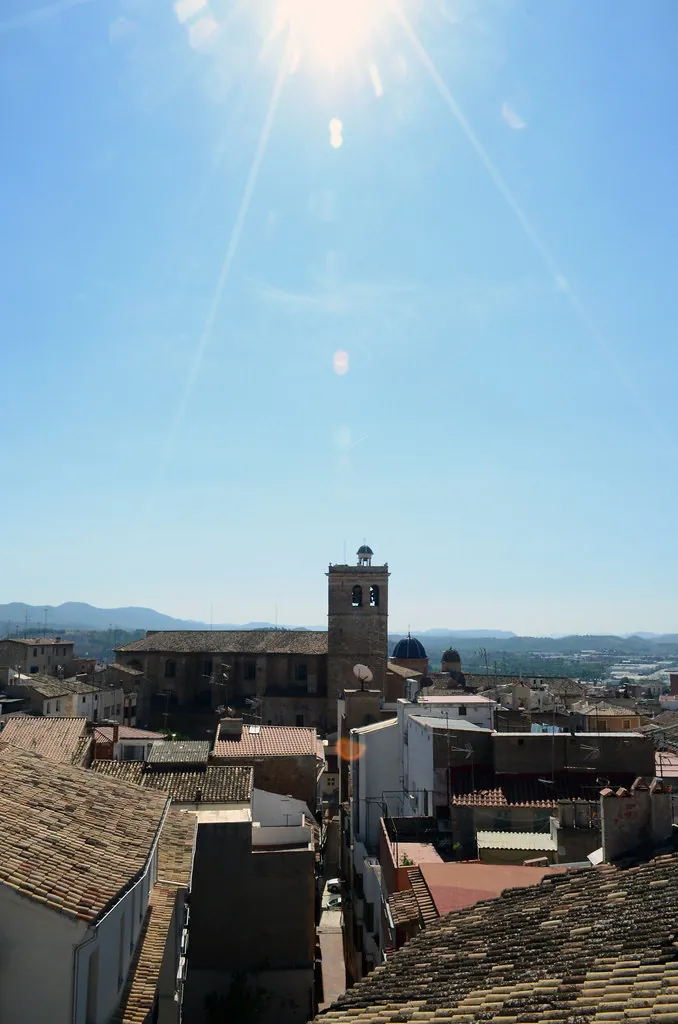
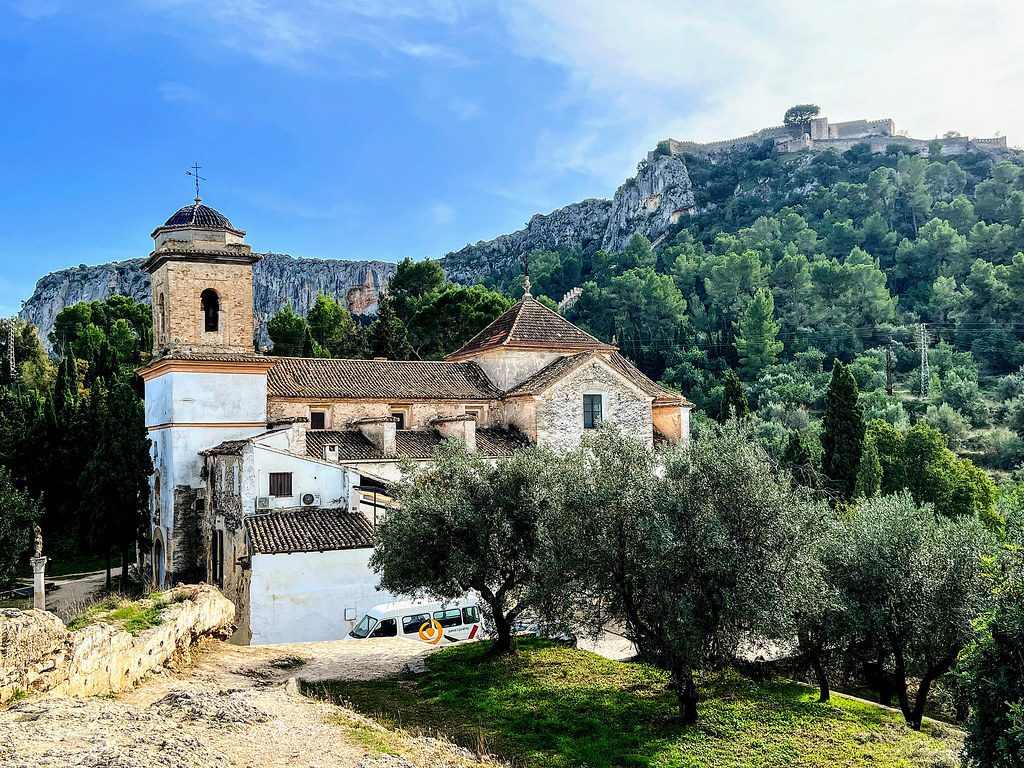
The centre is made up of narrow, slightly uneven streets, with stretches of stone worn smooth over time. It is easy enough to find your way around. The church of San Bartolomé acts as a calm reference point in the middle of the village, its restrained façade facing onto the square. A short walk away, the Molino de la Esperanza recalls a time when the river set the rhythm of daily work. Even now, walking down to it gives a sense of how closely water shaped everyday life here.
Water as a constant presence
In Navajas, water is not just part of the scenery. It runs through everything. Springs emerge in different parts of the surrounding area, and there are small fountains where the water stays cold even in the height of summer. Many locals still fill bottles there, something most noticeable in the mornings.
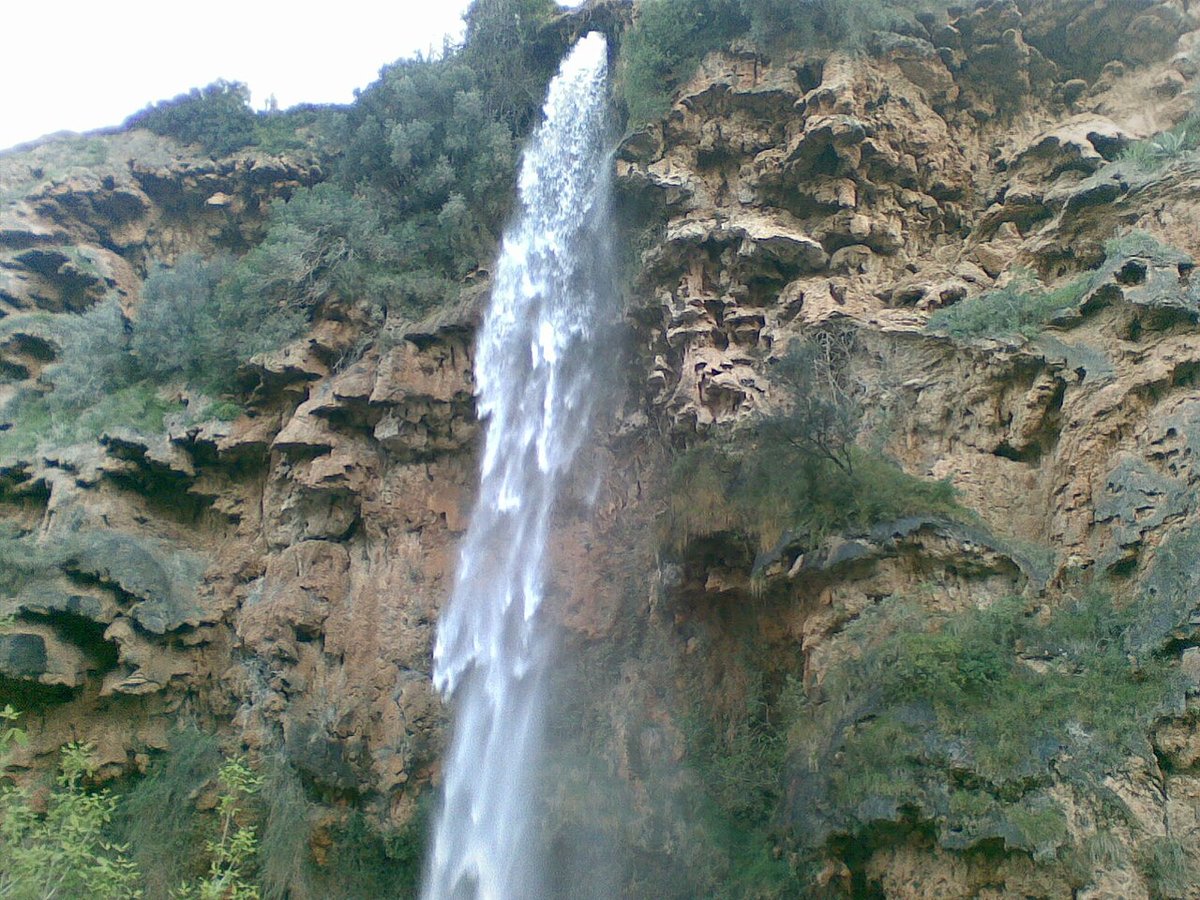
Close to the village centre is the Salto de la Novia, a waterfall well known in the wider area. The path leading to it descends through vegetation, and when the flow is strong enough, the sound of water reaches you before the view does. In summer it tends to draw a fair number of visitors from mid-morning onwards, so those looking for a quieter moment usually head there early or later in the day.
Gentle walks along the Palancia
Several short routes lead out from the village towards pinewoods, small orchards and former farmland. These are not demanding hikes. They are easy-going paths that pass through olive groves, almond trees and irrigation channels that still carry water.
The Camino del Agua follows part of this landscape, tracing springs and traditional waterways. On hot days it is a welcome option, as many stretches are shaded. Even so, the middle of the day in summer is best avoided. The heat in the valley can feel stronger than expected once you step away from the car.
At sunrise and sunset the surroundings shift noticeably. Light enters the Palancia valley at a low angle, and near the river the soundscape changes, with more birds than people.
Food, seasons and local rhythm
Cooking in Navajas remains closely tied to the land. Expect hearty dishes, seasonal vegetables, cured meats prepared at home, and olive oil produced in the area. It is not a place for long menus or culinary experimentation. What you find instead are recipes that have been part of local kitchens for decades.
Festivals also shape the rhythm of the year. At the end of August, celebrations dedicated to San Bartolomé usually bring several days of activity to the streets. In January, San Antonio Abad is marked with bonfires and the traditional blessing of animals, a custom seen in many parts of Spain where people bring pets and livestock to be blessed. In smaller towns like this, dates can shift slightly or be concentrated over a weekend, so it is worth checking ahead before planning a visit.
A short way to get a feel for Navajas
If time is limited to a couple of hours, Navajas can be explored at an unhurried pace. A walk around the area near the church, followed by a descent towards the mill, and finishing with a stroll to one of the fountains close to the centre, is usually enough to get a sense of the place.
Those arriving by car will find some parking areas on the approaches to the village and near the waterfall. On fine weekends these tend to fill up quickly.
When it feels right to visit
Spring and autumn are generally the most comfortable times to walk around Navajas. In spring the valley turns green and the water flows more strongly. By autumn the landscape becomes drier, with ochre tones across the fields.
Summer visits can work well if you start early or wait until the sun begins to drop. The central hours of the day can be quite intense, especially on more exposed paths. After recent rain, some of the trails near the river may become slippery, so it is worth wearing footwear with a good grip.