Full Article
about Sacañet
High-mountain municipality known for its old snow pits; stark landscape and cold climate perfect for historic hikes.
Hide article Read full article
Sacañet is the sort of place that makes you lower your voice without realising. Like stepping into a library, no one asks for silence but you instinctively speak more softly. The road prepares you for it: bends through pine woods, the occasional old holm oak, and a growing sense that with each kilometre the usual noise of daily life is slipping further away.
The village lies in the Alto Palancia, a rural district in the interior of the province of Castellón, in the Comunidad Valenciana. Life here moves at its own pace. There are no headline attractions or landmark monuments that dominate a brochure. Sacañet works more as a small pause: a cluster of houses, hills all around, and a level of quiet that is increasingly rare, even in many villages.
The village centre and its rural character
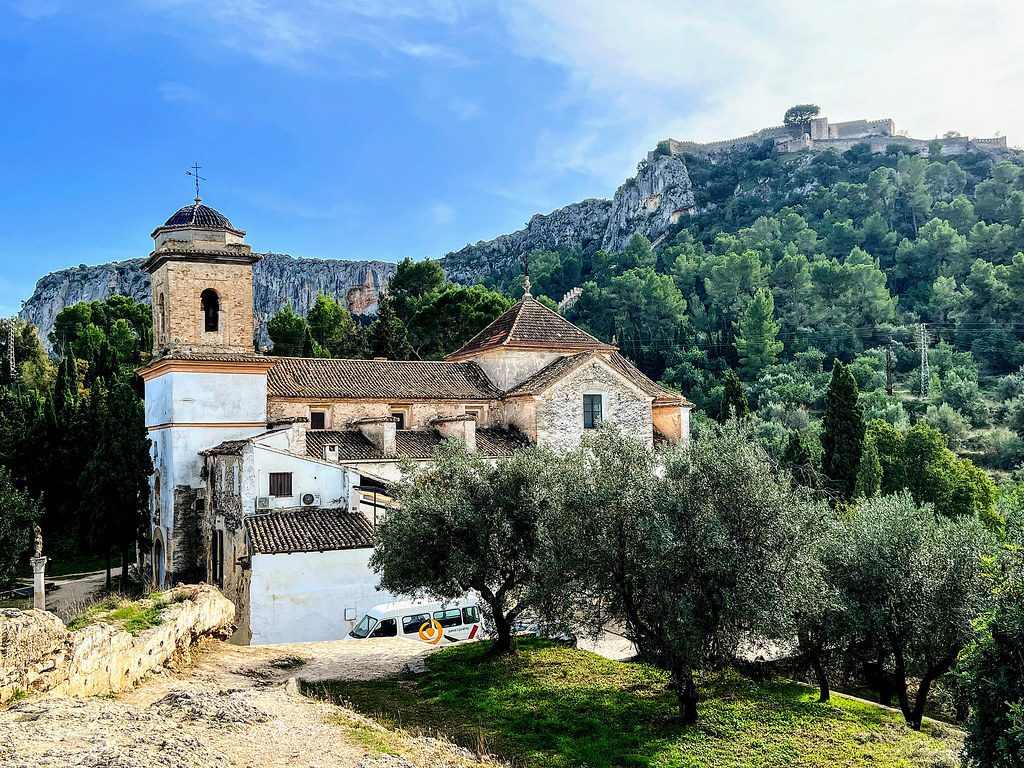
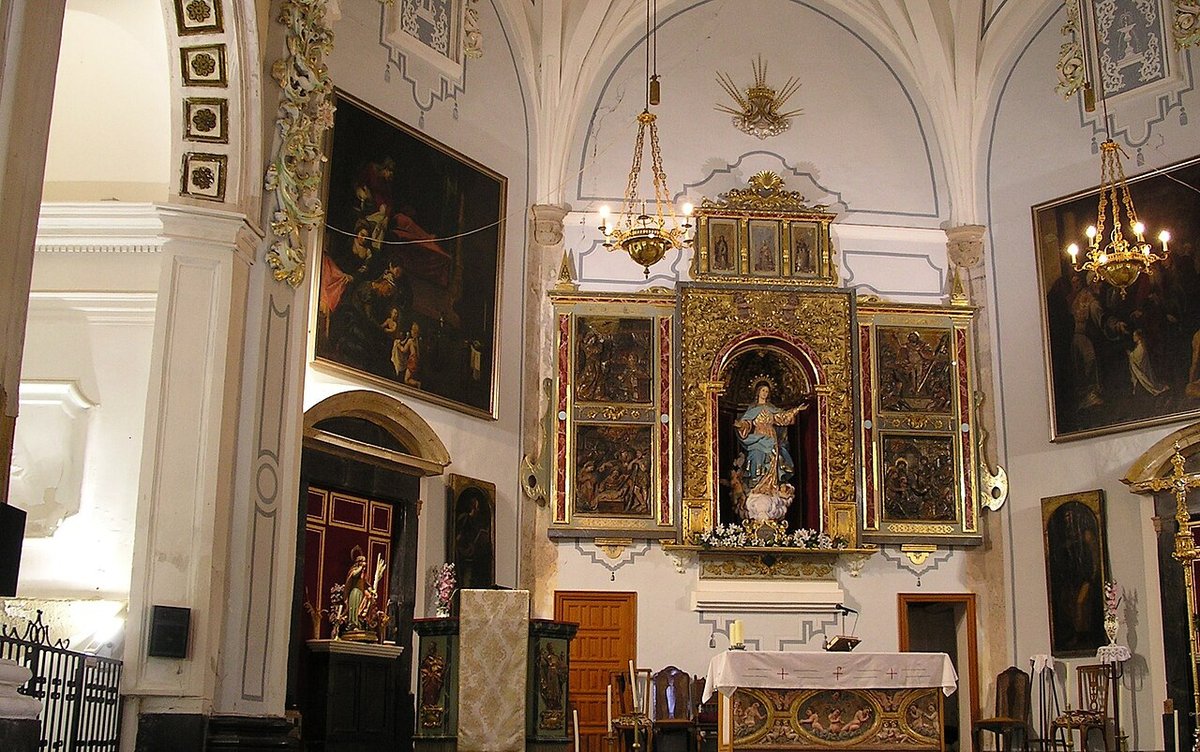
The heart of Sacañet revolves around the church of San Isidro, the parish church that has long anchored village life. It is not an elaborate building, nor does it attempt to impress. Instead, it acts as a familiar reference point. Conversations begin here, neighbours cross paths here, and on special days the bells ring out across the rooftops.
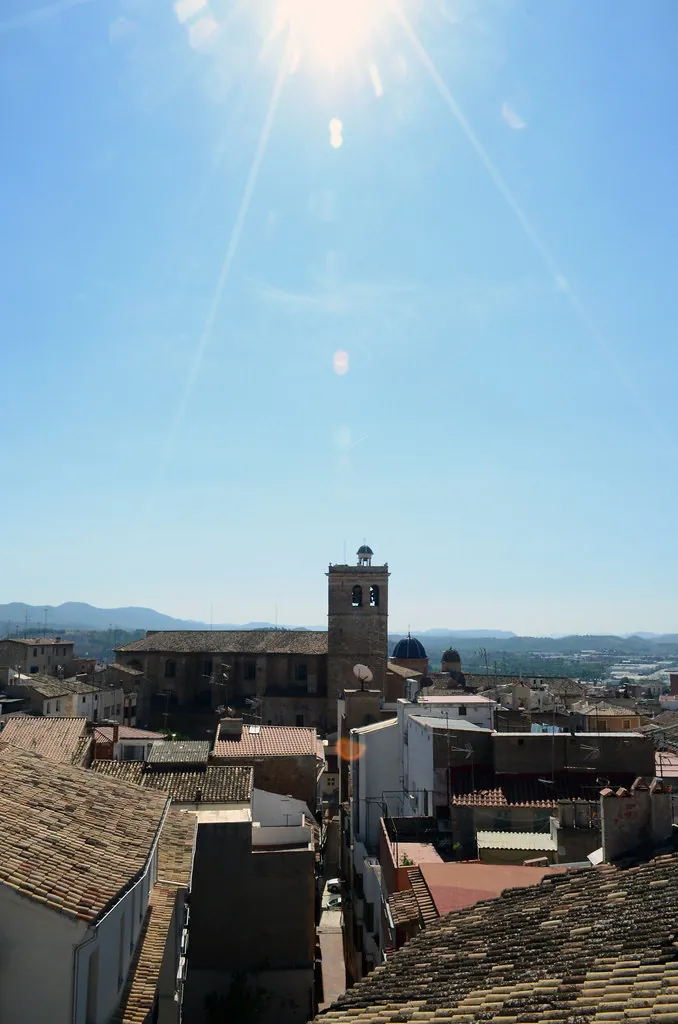
You can walk across the village quickly. The streets are short, some paved with stone. Houses are built from local stone too, with reddish roof tiles that seem to slot into the slope of the land. There are no wide squares or grand avenues. Corners open onto small, unexpected spaces rather than formal plazas.
One detail stands out almost at once: the countryside presses right up against the village. In other places there is a clear boundary between the built-up area and the fields. Here, a few steps are enough to reach vegetable plots, dry stone walls or tracks that lead straight towards the pine forest.
The simplest approach is often the best. Wander without a set route. Sacañet is not somewhere to tick off points on a phone screen.
The hills around Sacañet
Walking out of the village is one of the best things to do here. Paths quickly enter areas of pine and carrasca, the local name for holm oak, with the scent of resin more noticeable on hot days.
Some of these tracks have been used for years by local residents to move between terraced plots or to reach higher parts of the municipal area. A few are signposted, others less so. A basic sense of direction, or a map if the area is unfamiliar, is sensible.
Scattered across the hills are small springs. Many usually provide good water, although in summer some run low or dry up altogether. That is normal in this part of inland Valencia, where the climate can be harsh and rainfall irregular.
If you pay attention, there are signs of wildlife. Footprints in mud, disturbed earth, narrow trails cut by repeated animal movement. Wild boar and foxes roam these hills in significant numbers, although actually seeing one is another matter.
Autumn changes the atmosphere. The hills fill with people carrying baskets, drawn by mushroom season. Enthusiasts come to the area in search of fungi, though common sense is essential: know what you are picking and respect private land.
A simple plan: walk and pause
Sacañet does not offer a long list of organised activities. That restraint is part of its appeal.
Most people who arrive do so with a straightforward plan. Walk through the hills for the morning, spend time among the pines, then return to the village and eat at an unhurried pace. It is the kind of day that does not require much more.
In summer, an early start is wise. By mid-morning the heat intensifies, yet the first hours of the day in these hills are often pleasant and fresh.
Night brings another surprise. Because Sacañet is far from large urban centres, the sky becomes strikingly clear after sunset. Step a little away from the village streetlights and far more stars are visible than most city dwellers are used to seeing. The darkness feels deeper here, and the silence more complete.
Festivities and village life
As in many small inland villages, the patron saint festivities are the moment when Sacañet shifts gear. People with family homes return, friends arrive, and for a few days the population grows noticeably.
The programme usually includes simple events: music, communal meals, activities organised for residents, gatherings that stretch conversations late into the night. These are not large-scale spectacles, but occasions rooted in local ties.
For the rest of the year, life returns to a much calmer rhythm. That calm is not incidental. It forms part of the village’s character and shapes the experience of anyone who spends time here.
Getting there
Reaching Sacañet involves leaving the main roads of the Alto Palancia and taking narrower routes that cross wooded hills. The drive is not complicated, though it is one of those journeys best approached unhurriedly, with attention to the landscape around you.
This is not a village you pass through on the way to somewhere else. Most visitors come because they already know it is there.
When it is time to leave, there is a particular afterthought that lingers. Sacañet is small and unassuming, yet it leaves an impression. Like coming across a lightly used path in the countryside, it may not be dramatic, but that is precisely why the idea of returning feels so natural.