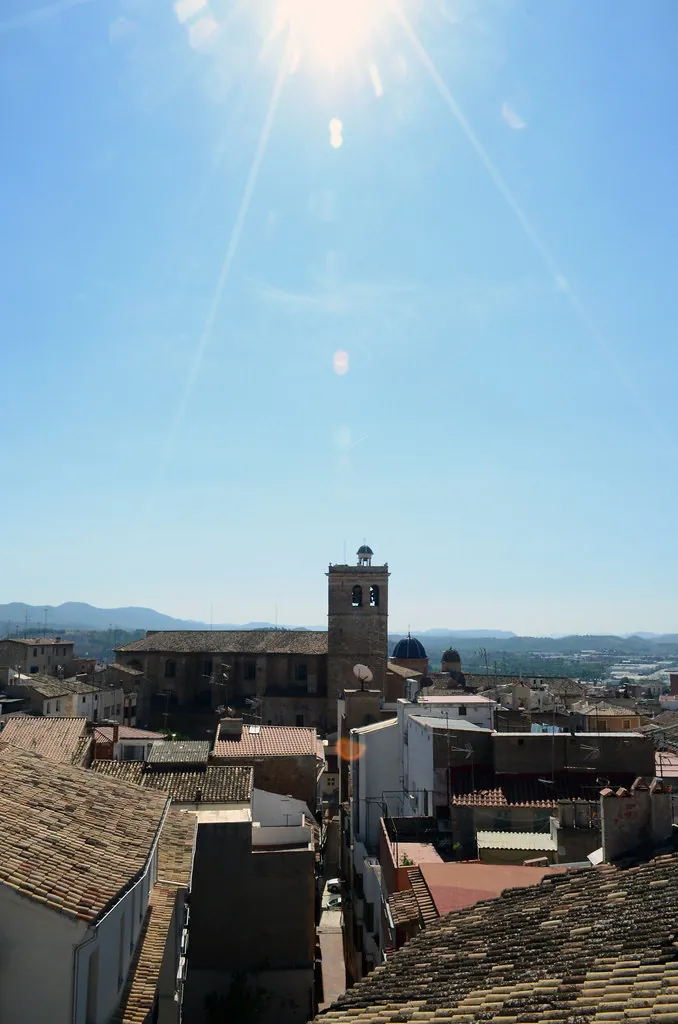
Vista aérea de Soneja
Instituto Geográfico Nacional · CC-BY 4.0 scne.es
Comunidad Valenciana · Mediterranean Light

Soneja

The 08:00 bus from Valencia drops you on the CV-35 with nothing more than a metal sign and a dusty lay-by. Five minutes later, after a short downhi...

1,521 inhabitants · INE 2025
263m Altitude

Why Visit

Church of San Miguel Hiking in the Dehesa

Best Time to Visit

summer

Fiestas del Cristo (September) septiembre

Things to See & Do
in Soneja

Heritage

  • Church of San Miguel
  • Plaster Museum
  • Dehesa area

Activities

  • Hiking in the Dehesa
  • Museum visit
  • River routes

Festivals
& & Traditions

Fecha septiembre

Fiestas del Cristo (septiembre), San Miguel (septiembre)

Las fiestas locales son el momento perfecto para vivir la autenticidad de Soneja.

Full Article
about Soneja

Town on the Palancia river with an interesting plaster museum, ringed by orchards and easy-to-reach nature.

Ocultar artículo Leer artículo completo

The 08:00 bus from Valencia drops you on the CV-35 with nothing more than a metal sign and a dusty lay-by. Five minutes later, after a short downhill lane between almond trees, the stone arch of Soneja’s medieval gateway appears. No ticket office, no coach park, no multilingual menus—just the smell of wood smoke and the clink of coffee cups from Bar Plaza where the regulars glance up, register a foreign face, and return to their solitaire cards.

At 263 m above sea-level the village sits just high enough to escape the coastal sauna yet low enough for oranges and olives to thrive. Morning light lingers on ochre walls; by midday the narrow lanes are already in shade, a natural air-conditioning that explains why half the houses still lack proper insulation. Winter nights can dip to 3 °C—pack layers if you’re coming between December and February—and August thermometers touch 36 °C, which is precisely when the fiesta committee marches a brass band through the streets at dawn. Light sleepers should book a room on the western edge or bring decent ear-plugs.

A map drawn by water and stone

Soneja’s name is Arabic in origin, supposedly from “sun-ya” or “source of water”, and the place still leaks springs at every bend. The Font Major, a moss-covered spout on Calle de la Fuente, runs year-round; locals fill 5-litre bottles before work. Follow the water and you’ll understand the street plan: lanes bend to dodge ravines, houses grow straight out of bedrock, and every so often a lane simply ends at a drop into the barranco. The ruined Islamic castle is little more than a grassy platform now, but stand there at sunset and the logic is obvious—command of this valley meant control of the wheat and the irrigation channels that fed medieval Sagunto downstream.

Down in the centre, the seventeenth-century Iglesia de la Asunción squats rather than soars; its bell-tower is only four storeys, yet the interior is stocked with enough gilded walnut and sixteenth-century polychrome to keep art historians happy. Opening hours are politely vague—turn up around 10:30 and the sacristan usually materialises with a giant key. Donations welcome; flash photography discouraged.

Walking without way-markers

Forget the Costa Blanca’s manicured promenades. Footpaths here are former mule tracks, still used by farmers on quad bikes. The tourist office (open Tuesday and Thursday, mornings only) hands out a photocopied sketch that looks like a child’s treasure map, but it works. Three loops leave from the plaza: the shortest (45 min) circles the vegetable gardens and returns past the ermita of San Roque; the longest (3 h) climbs to the ridge of La Costera, where you meet the Sierra de Espadán proper—jagged, sandstone, and suddenly busy with serious hikers in branded Gore-Tex. Between October and April the trails are firm and empty; after heavy spring rains the red clay sticks to boots like wet cement. Stout footwear advised, and carry more water than you think necessary—bars are closed once you leave the perimeter.

What arrives on the plate

Soneja has two restaurants, one bakery, and a weekly van that sells fish out of a polystyrene chest. The daily menú at Bar Plaza costs €12 and changes according to what Antonio, the owner, finds on the market run to Segorbe. Expect lentils spiked with morcilla, or rabbit slow-cooked in tomatoes from the greenhouse next door. Vegetarians can request espencat—smoky aubergine and red-pepper salad—but you’ll still be offered tuna on top; just smile and say “sin atún, gracias”. Puddings are either mató (fresh goat-cheese) drizzled with local honey, or crema catalana burnt to order with a 1950s iron. Wine comes from the Altos de Palomera co-operative three villages away; it’s garnacha-tinted, gluggable, and cheaper than bottled water back home.

Sunday is churro day. A white van idles on the plaza from 09:30 dispensing ridged doughnuts into paper twists. Queue with the pram-pushers, pay €2 for six, and dust them with sugar while the church bells ring. If you need groceries remember: the supermarket shutters come down at 14:00 on Saturday and don’t rise again until Monday. British habits of last-minute milk runs won’t survive here.

Fiestas that still belong to the village

The third weekend of August is devoted to the Virgen de la Asunción. Events start with a fireworks rocket at 07:00—think air-raid siren—and continue with mass, paella for 800, and late-night dancing in a neon-lit marquee that looks suspiciously like a Surrey wedding venue. Visitors are welcome but don’t expect bilingual commentary; speeches are delivered in rapid Valencian, and the only programme is taped to the town-hall door. Late September adds the “Fira de la Natura”, a low-key eco-fair where beekeepers sell rosemary honey and someone’s uncle demonstrates a two-hundred-year-old olive press. British guests who’ve stumbled on it describe the sensation of gate-crashing a family reunion where nobody minds.

Getting there, getting cash, getting stuck

There is no railway. Take the fast Euromed to Valencia, switch to the C-6 cercanías towards Sagunto, then board the ALSA 250 bound for Segorbe. Ask the driver for “parada a petición Soneja”; he’ll drop you on the bypass already mentioned. Buses run roughly every two hours, last return 19:30, so missing it means a €35 taxi. Inside the village everything is walkable within ten minutes, which is fortunate because car-hire desks refuse vehicles without credit-card deposits under €300.

A CaixaBank ATM hides on Calle Mayor; it charges €1.75 per withdrawal and occasionally runs out of €20 notes. Most bars operate a cash-only policy—attempt to pay for a €1.20 coffee with plastic and you’ll be directed to the machine while your espresso cools. Mobile coverage is patchy in the old quarter; Vodafone disappears entirely inside the church walls. Download offline maps the night before.

The honest verdict

Soneja will never compete with the coast for nightlife or souvenir tallies. Come here if you like hearing Spanish spoken at normal speed, if you’re content to fill days with short walks and longer lunches, and if the prospect of church bells instead of Spotify doesn’t appal. What you get in exchange is a ringside seat on a pocket of rural Valencia that hasn’t remodelled itself for the Instagram age. Bring cash, bring walking shoes, and—whatever you do—don’t book the week of 15 August unless you can sleep through what sounds like cannon practice.

Key Facts

Region
Comunidad Valenciana
District
Alto Palancia
INE Code
12106
Coast
No
Mountain
No
Season
summer

Livability & Services

Key data for living or remote work

2024
ConnectivityFiber + 5G
TransportTrain station
HealthcareHospital 7 km away
EducationElementary school
Housing~6€/m² rent · Affordable
Sources: INE, CNMC, Ministry of Health, AEMET

Official Data

Institutional records and open data (when available).

  • Muralla Carlista de Soneja
    bic Monumento ~0.2 km

Planning Your Visit?

Discover more villages in the Alto Palancia.

View full region →

More villages in Alto Palancia

Traveler Reviews