Full Article
about Sot de Ferrer
Picturesque village on the banks of the Palancia known for its zig-zag Calvario; notable for its Gothic palace and quiet atmosphere.
Hide article Read full article
Sot de Ferrer: el pueblo que no te esperas
Sot de Ferrer es como ese cruce en una carretera comarcal donde, sin saber muy bien por qué, decides girar. No hay una señal enorme anunciando algo espectacular. Solo un desvío más entre campos. Y al final de la curva, aparece el pueblo: un puñado de casas bajas y calles tranquilas que parecen más una extensión natural del campo que las rodea.
Tiene esa calma de sitio donde el coche que pasa ya es un evento. Con menos de quinientos habitantes, la vida aquí sigue un ritmo marcado por los almendros y los olivos, no por el reloj. No vengas buscando una lista de monumentos para tachar; aquí lo que hay es el día a día de un pueblo del Alto Palancia.
El centro: tres calles y la torre de la iglesia
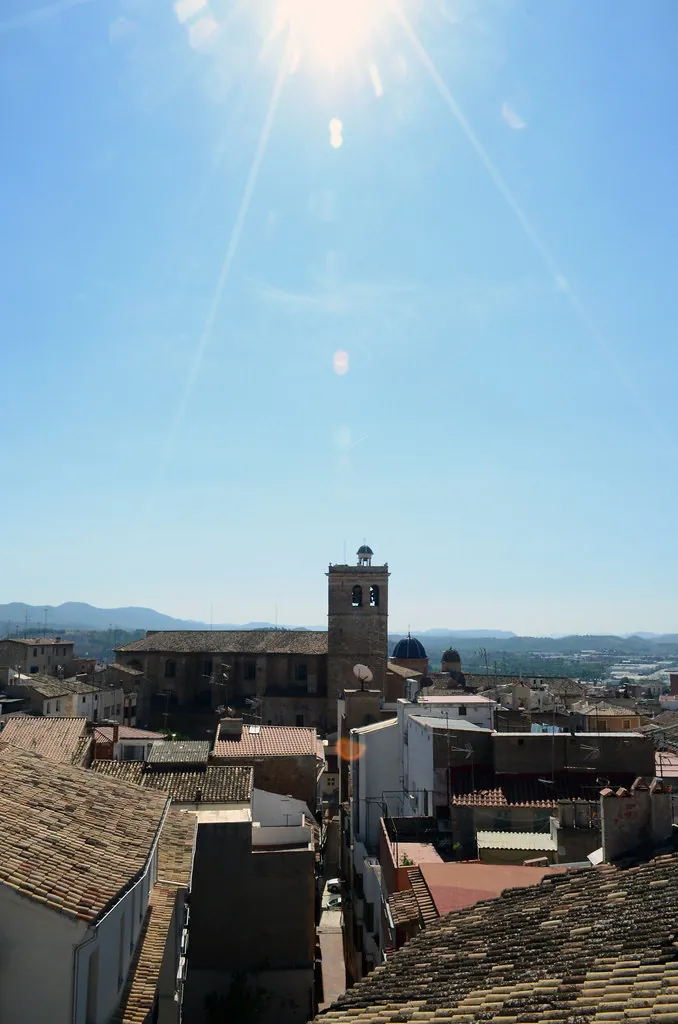
Lo has visto en diez minutos. No es broma. El núcleo es compacto, con calles cortas y fachadas claras que en verano reflejan el sol con ganas. Lo que sirve de faro es la torre de la iglesia de San Pedro. No es una catedral, es la iglesia del pueblo, del tamaño justo para la gente que vive aquí.
La sensación es la de pasear por una pedanía grande. Se saludan desde los balcones, se oye el runrún de una tele en alguna cocina abierta… Es ese tipo de lugar donde el urbanismo no fue planeado por un arquitecto, sino por generaciones que fueron añadiendo una casa junto a otra.
Los campos empiezan donde acaba el asfalto
Aquí no hay perímetro urbano decorativo. La última calle da directamente a la tierra. Olivos y almendros ocupan casi todo lo que se ve. Si tienes suerte y pasas en febrero o principios de marzo, verás el valle salpicado del blanco y rosa pálido de los almendros en flor. Es bonito, sí, pero no es un jardín ornamental: es el trabajo del año empezando.
El valle del río Palancia lo envuelve todo, con las sierras al fondo dando marco. El paisaje explica el pueblo: esto siempre ha sido tierra de cultivo, no de postal.
Paseos sin pretensiones (ni cuestas)
Aquí no vas a encontrar rutas de senderismo señalizadas con palitos y colores. Lo que hay son caminos rurales, anchos y polvorientos en verano, hechos para tractores y gente del lugar.
Son perfectos para dar un paseo sin más ambición que estirar las piernas. Se oyen pájaros, a lo lejos el motor de algún agricultor y poco más. El silencio es amplio. También ves ciclistas a veces, porque las carreteras secundarias del valle tienen poco tráfico y desniveles suaves.
Comida de puchero y mercado
La cocina aquí va directa al grano. Es la lógica del interior valenciano: aceite local, verduras de temporada, guisos que huelen a leña y recetas que han pasado de abuelas a nietos sin necesidad de libro.
No esperes presentaciones vanguardistas. Espera platos contundentes donde la calidad está en la materia prima –el aceite, una almendra recién cosechada– más que en la técnica. Es honesta.
Fiestas para los suyos
Las fiestas patronales son en junio, alrededor del día de San Pedro. Es cuando el pueblo recupera parte del bullicio perdido durante el año; vuelven familias enteras desde fuera y se montan cosas en la calle.
También está todo lo relacionado con las cosechas –la almendra, la oliva– pero eso no es un espectáculo turístico; es trabajo duro al sol. Si coincides verás camiones cargados hasta los topes, no puestos artesanales.
Cómo llegar (y por qué parar)
Llegar es fácil si vas en coche: Sot está bien comunicado dentro del valle desde la A-23 (la autovía Mudéjar). En transporte público se puede llegar también aunque con menos frecuencia; conviene mirar horarios antes si dependes del bus.
¿Merece un viaje exprés solo para verlo? Probablemente no. ¿Merece una parada si ya estás recorriendo el Alto Palancia? Totalmente. Es una pausa honesta: te tomas algo en su bar (hay uno junto a la carretera), das una vuelta por sus tres calles principales y miras hacia los campos infinitos de olivos. En media hora has captado su esencia –la vida rural sin filtros– y puedes seguir tu camino. A veces eso basta