Full Article
about Torás
Municipality known for its vast almond groves and reservoir; pleasant natural setting for family tourism
Hide article Read full article
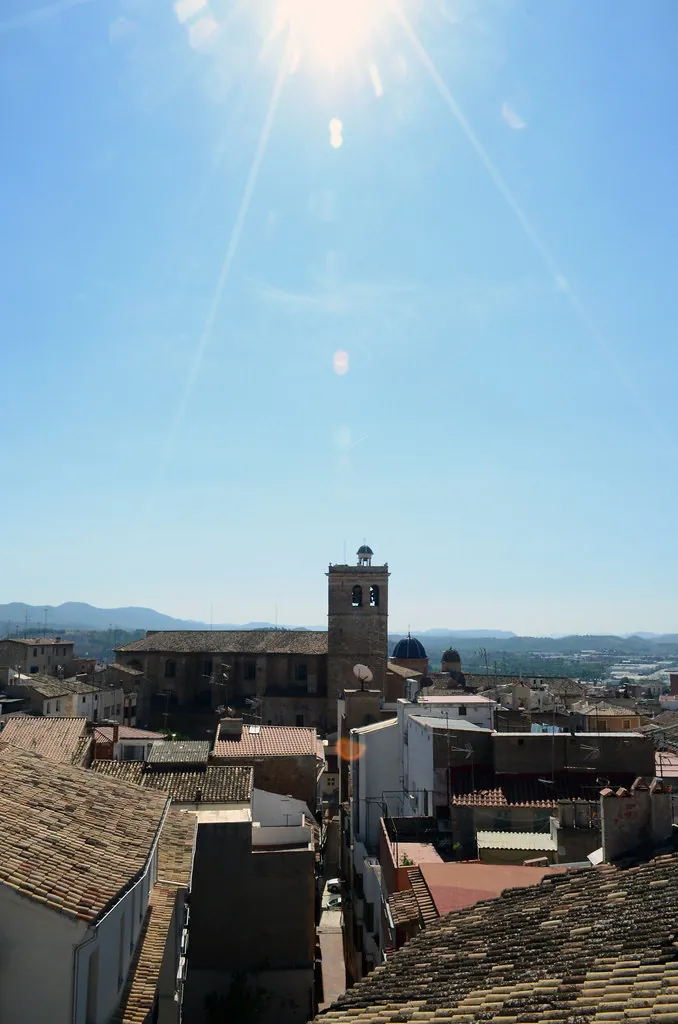
At the hour when the sun falls directly onto the rooftops, the church tower of Toras rises above the low houses. The stone is pale, almost dusty in tone. In Toras, in the Alto Palancia district of the Comunidad Valenciana, midday tends to arrive in near silence: a door closing somewhere, the echo of a car moving slowly along the main street.
The village has around 271 inhabitants and sits at more than 700 metres above sea level. The altitude makes itself felt in the air, which is drier than on the coast, and in the cool nights that linger even in summer.
The streets follow no obvious order. They climb, bend and narrow between masonry façades and whitewashed walls. Some houses still have dark wooden doors, while others show newer windows and shutters, a sign that people return at weekends. There is no grand urban plan here, just a layout shaped over time.
Around the Church
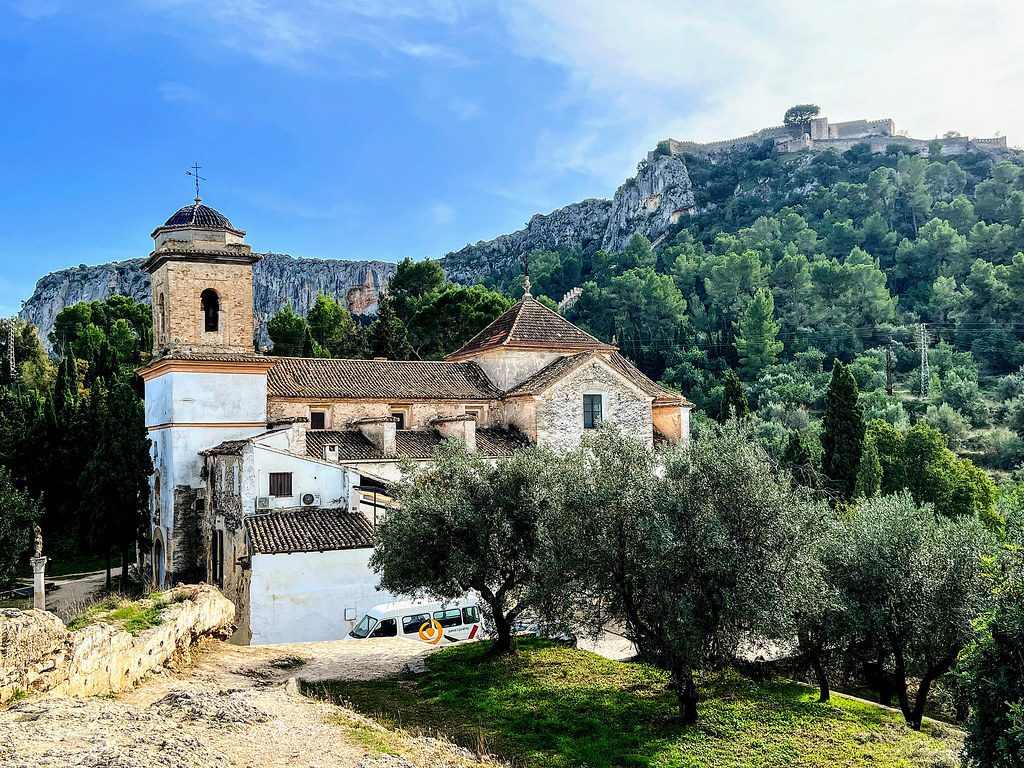
The parish church marks the centre without the need for a large square. Around it opens a modest space where people pause to talk or sit for a while as evening approaches. Nearby, water can often be heard from a tap or a fountain. In a village of this size, such sounds seem to linger in the air.
The surrounding streets include steep stretches. Comfortable footwear is advisable for anyone who wants to wander through the old centre at an unhurried pace. The area is not large, yet the uneven paving and the slopes give the walk its own rhythm. Distances are short, but the ground sets the tempo.
There are no museums or major facilities in Toras. The church and the streets around it form the heart of daily life. The interest lies less in monuments and more in the atmosphere that settles over the place, especially once the heat of the day begins to ease.
Paths Through Pines and Terraces
Step beyond the edge of the village and agricultural terraces appear almost immediately. Some are still cultivated. Others are covered in dry grass and young holm oaks that have taken root over time. In spring, the remaining almond trees briefly turn a few of these terraces white with blossom. It does not last long, but for a few weeks the landscape shifts.
Tracks lead into open pinewoods. When the sun is strong, the scent of resin hangs in the air. There are marked footpaths that connect Toras with other points in the Alto Palancia, although the signs are not always easy to spot. Anyone planning to walk beyond the immediate surroundings would do well to have the route downloaded on a mobile phone or carry a simple map.
From certain higher points, the Palancia valley opens out below. There are no railings or constructed viewpoints. Instead, there are clearings among the pines where the land drops away and the view reveals itself without warning. The sense of height becomes clear here. Looking out means seeing pine forests and gentle hills that define this part of the Alto Palancia.
The countryside around Toras does not present dramatic landmarks. It is a landscape of terraces, low ridges and woodland that rewards patience. Walking is the natural way to experience it. Silence plays a part, particularly in the early hours.
Light, Winter Mornings and Quiet Wildlife
Dawn arrives slowly. First the olive trees catch the light, then the rooftops begin to glow. In the colder months, some mornings bring banks of fog that settle in the hollows. From the nearby hills, these appear as a white layer covering the lower fields.
Wildlife tends to pass unnoticed. Even so, those who set out early may hear birds of prey gliding overhead or a fox moving through the scrub. Sightings are never guaranteed. Quiet and a little patience are required.
Winter changes the mood of the place. The air feels sharper, and the fog in the lower ground contrasts with the clearer light on the higher slopes. Summer, by contrast, brings longer evenings and more activity in the streets once the heat fades.
Simple Food and Everyday Life
The cooking that continues in the area is straightforward. Soupy rice dishes, meat stews and home-cured sausages remain part of family gatherings and local festivities. Sweets tend to appear on specific occasions, especially in winter or on important dates in the calendar.
On an ordinary day, there are few places to sit down for a meal. Anyone arriving with plans to spend several hours walking in the nearby hills should bring water and something to eat in advance. Daily life in Toras moves at a practical pace, shaped by the seasons and by the limited size of the population.
The village feels most animated in summer. Many houses that remain closed for months reopen, and the square becomes livelier at night. The festivities dedicated to San Bartolomé usually bring processions, music and open-air dances around the centre. For a short period, the quiet routines give way to a more festive atmosphere.
During the rest of the year, Toras returns to a much calmer rhythm. On weekdays, it is possible to walk through its streets and barely encounter anyone. The stillness is not staged. It is simply the result of a small community at altitude, set back from main routes.
Getting There and Moving Around
From Castellón de la Plana, the usual approach is via the CV‑20 towards Segorbe, followed by narrower roads that cross the valley. The final stretch includes numerous bends and is best taken steadily.
Within the village, there are no large parking areas. Visitors typically leave the car on a wider street near the entrance or close to the church. From there, almost everything can be reached on foot in a matter of minutes.
Toras does not rely on attractions or large facilities to hold attention. What draws people here are the paths that leave the village, the quiet of the surrounding sierras and the persistent feeling of height when looking across the pinewoods and rolling hills of the Alto Palancia. Life unfolds slowly. Often, the most meaningful thing to do is simply pause and listen.