Full Article
about Viver
Municipality with plentiful springs and natural parks; a traditional summer retreat set along a pleasant river landscape.
Hide article Read full article
A village that wakes slowly
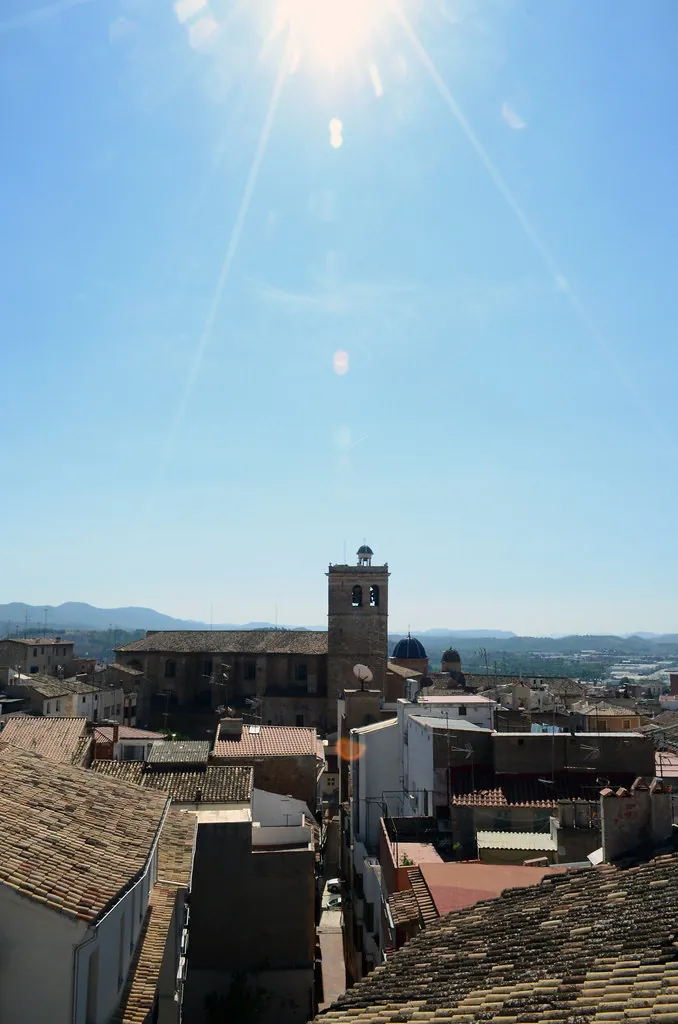
Early in the morning, as sunlight begins to slip into the Palancia Valley, the façades of Viver still hold the dampness of the night. Some streets carry the scent of old firewood and sprigs of rosemary left to dry by a window. The village reveals itself gradually, set among vegetable plots, almond trees and olive groves. It sits just minutes from the A‑23 motorway, yet moves at a very different pace. That contrast says a lot about tourism in Viver: easy to reach, but firmly rooted in the rhythm of an inland agricultural community.
With around 1,700 inhabitants today, Viver has a fairly ordered layout compared with many villages in this part of the region. Streets tend to lead towards the main square, where the fountain and the Casa Consistorial, the town hall, still anchor daily life. By mid-morning, someone is usually crossing the square with shopping bags or resting on the stone bench.
The parish church of the Asunción, built in the 18th century, stands out thanks to its bell tower rising above the rooftops. The bells continue to mark the hours, their sound carrying clearly across the village. Inside, the church is spacious, with restrained Baroque lines typical of this area of Castellón.
Water at the centre
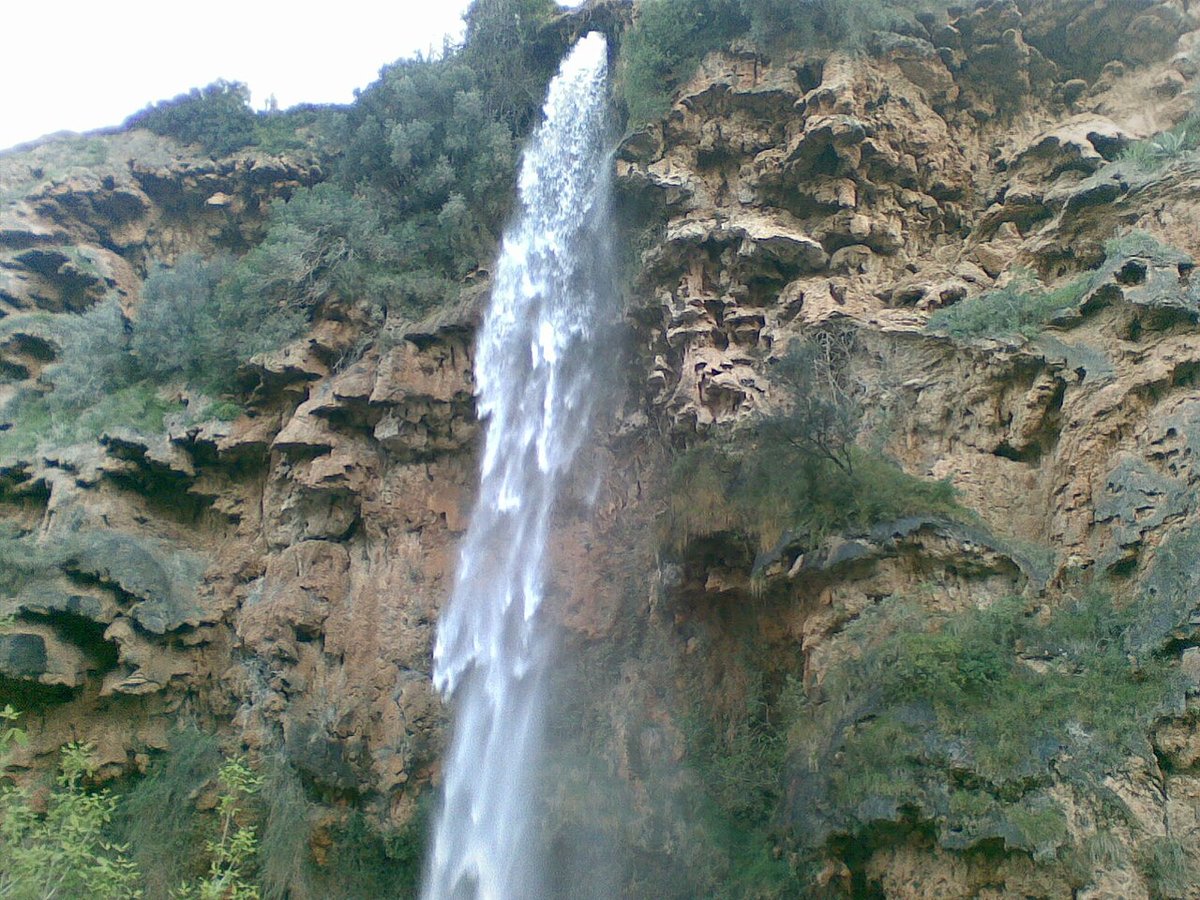
Water has long shaped Viver’s history. Springs emerge in different parts of the municipality, and for many years they supplied both the village and the surrounding farmland. Some of these fountains are still in use today, part of everyday routines rather than decorative features.
There is also an old thermal tradition linked to these waters. Over time, there were bathing facilities and spaces connected to this use. Today, however, the atmosphere feels more local than therapeutic. Even so, the constant sound of running water in certain fountains within the town centre is a reminder of why the settlement grew here in the first place.
The so-called Ruta de las Fuentes connects several of these spots. It is not a demanding route, more a gentle walk linking small fountains and shaded areas among pine trees. In summer, it is wise to carry water, as the heat in the Alto Palancia intensifies from midday onwards.
Paths through fields and soft ravines
The landscape around Viver reflects the wider character of inland Valencia. Dryland terraces stretch across the terrain, with pine-covered ravines and agricultural tracks linking one field to another. There are no steep gradients, which makes it possible to walk for hours without facing difficult climbs.
In February and March, when the almond trees bloom, the valley changes noticeably. Fields fill with white and pale pink tones, and the air takes on a faint sweetness when there is a light breeze.
There are also plenty of quiet routes suitable for cycling. Some connect with nearby villages in the Alto Palancia, crossing cultivated land where traffic is minimal. These are straightforward rides, though in summer it is best to set out early. The sun falls directly on the paths and shaded stretches are limited.
Food shaped by the land
Local cooking remains closely tied to what comes from the land and to traditional pig slaughtering practices. In winter, more substantial stews appear, and dishes often feature cured meats. Seasonal vegetables usually come from nearby plots, keeping the connection between kitchen and countryside very direct.
Many households still prepare sweets using long-standing recipes, particularly during festive periods. It is not unusual for some of these to be made at home rather than in commercial bakeries, which keeps a strong domestic character in local food traditions.
Festivities and everyday life outdoors
Throughout the year, there are celebrations linked to the agricultural calendar, especially those connected to products such as almonds and olives. These are simple gatherings, with a distinctly local feel rather than large-scale events.
The main festivities take place in August in honour of the Virgen de la Asunción. During those days, the streets change noticeably. There is music at night, social groups known as peñas, open-air dances and processions that follow the same routes as always. The atmosphere becomes much livelier, with more people out in the streets well into the evening.
Anyone looking for a quieter visit may prefer to avoid that particular week in August.
Getting there and moving around
Viver lies very close to the A‑23, the main route linking Valencia with Teruel and Zaragoza. From Segorbe, it can be reached in just a few minutes via the CV‑25, passing through farmland before entering the village itself.
Travelling by car is generally the most practical way to arrive and to explore the surrounding area, especially for those wanting to take their time on the local paths and landscapes. Parking in the village is usually straightforward outside of festival days.