Full Article
about Benicarló
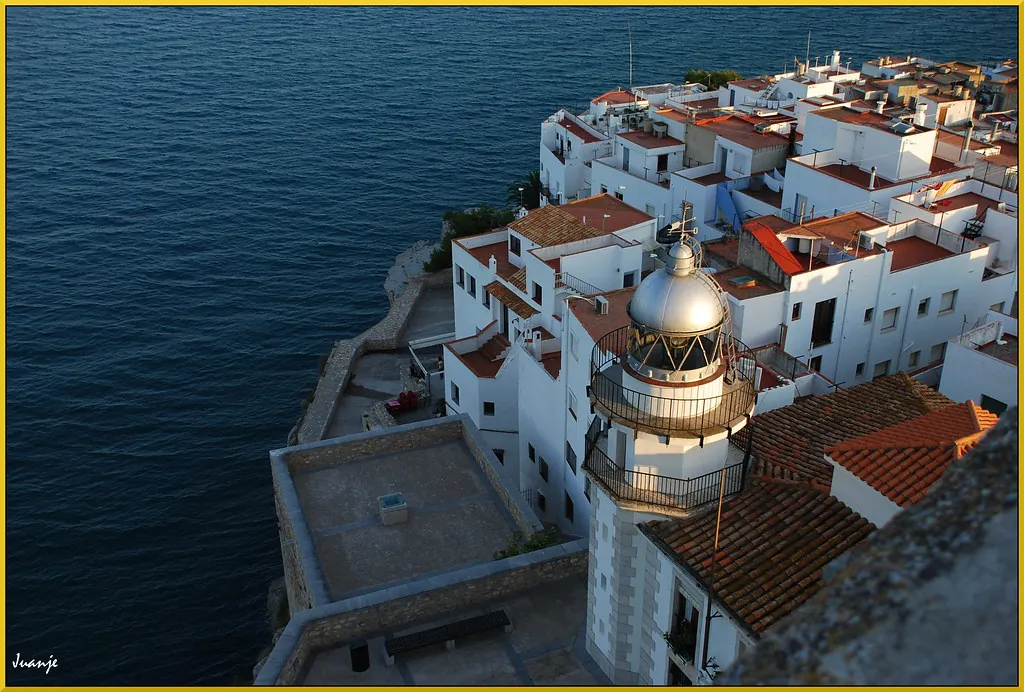
Coastal city with a fishing and leisure port, known for its artichoke with protected origin; it has city beaches and rich seafood and market-garden cuisine.
Ocultar artículo Leer artículo completo
The fishing boats return at half past six, guided by gulls that sound like they’ve smoked forty a day. On the mole, wives in housecoats wait with plastic crates while auctioneers in hi-vis waistcoats rattle off prices for dorada and squid. Nobody applauds, no one takes a selfie; this is simply the working end of Benicarló, a coastal town that refuses to dress up as anything else.
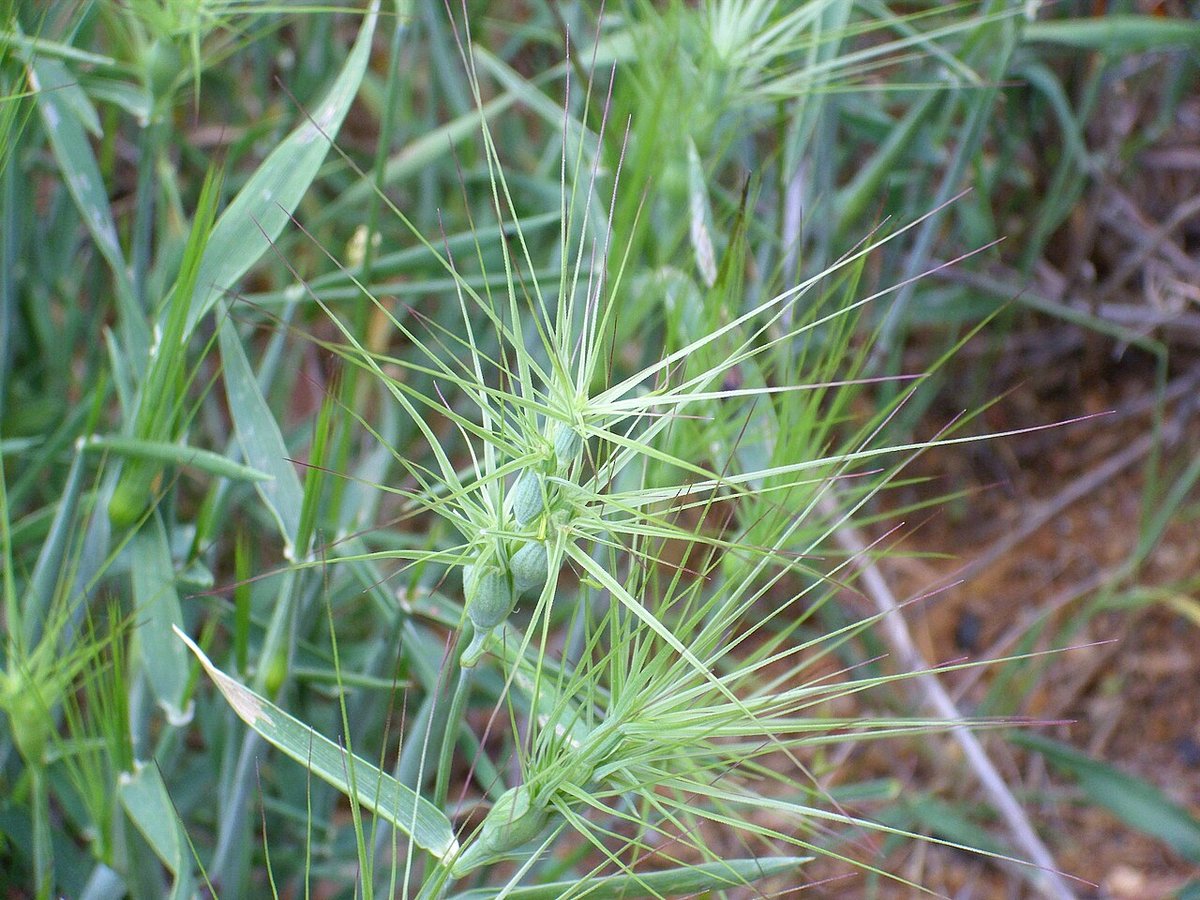
Twenty kilometres north of the smarter, castle-topped promontory at Peñíscola, Benicarló spreads across a low coastal plain at a modest twenty-one metres above sea level. Orange trees line the approach roads, but the crop that earns motorway billboards is artichoke: row upon regimented row of spiky green helmets that give the landscape a military buzz-cut between December and April. Drive the CV-1 inland for five minutes and you’ll see pickers bent double, slicing stems with curved knives, the harvest truck idling beside them.
Harbour mornings and beach afternoons
The port splits into two basins. The inner harbour shelters leisure craft painted in pastels that would make a Scandi blush; the outer quay handles the day boats. Their catch reaches the covered lonja next door, but visitors are kept out during the 19:00 auction. Instead, go at 18:30 when the crews hose down decks and hand lines of fish to restaurant runners. Vista al Mar, a no-frills glass box on the pier, serves arroz a banda that tastes of proper stock, not cube powder, for €12 a head. Wine from Terra Alta is €2.80 a glass and you’ll need cash – the card machine sulks when the tramuntana wind blows.
South of the breakwater, Playa del Morrongo curves for 1.2 km of fine sand. In June you can still lay your towel at 11:00 without stepping over anyone’s paperback; by August the car park is full before the BBC Shipping Forecast finishes. A brick-paved paseo runs behind it, wide enough for bikes and buggies, flanked by showers that actually work and a chiringuito that grills sardines until the coals glow white. The sand shelves gently, so children can paddle without parents ageing ten years, but bring shoes for the outer edges where rocks harbour sea urchins.
If you prefer your coastline with fewer humans, continue south on the coastal footpath. After ten minutes the promenade dissolves into a dirt track that threads between railway sleepers and agave plants. Small coves of shingle appear – Cala Mundina, Cala Pilar – with just enough space for six towels and a cool-box. The water stays clear because the nearest river is twenty kilometres away; bring snorkel and mask to watch saddled bream inspect your toenails.
Artichoke fields and Baroque towers
Back in town, the historic centre measures barely four streets by four. Houses rise in ochre and rose, some restored with Parisian shutters, others still wearing 1950s iron balconies painted hospital green. The parish church of Sant Bartomeu lifts a Baroque tower above the roofs; step inside to escape the heat and you’ll find a retable gilded so thickly it looks like someone emptied a treasury. The place is open 08:30-12:00 and 17:30-20:00; if the door is locked, the caretaker lives opposite at number 14 and will open for anyone who asks politely.
Three blocks east, the Casa de la Cultura hides behind a studded wooden portal. Built in 1620 for a merchant who traded raisins and salt fish, it now hosts rotating exhibitions that range from local school art to photography of Antarctic ice. Admission is free; leaflets are only in Spanish but the caretaker enjoys testing his English on polite visitors.
Artichokes dominate the weekly Thursday market in Plaça de la Constitució. From January to March the vegetable aisle becomes a forest of thistle, priced at €3 for five heads. Locals pinch the stems for firmness the way Londoners test avocados. If you’re self-catering, buy a bag, quarter them, and braise with white wine and garlic. The tourist office (open 10:00-14:00, 16:00-19:00) prints a one-page recipe sheet that doubles as a souvenir.
When to come, what to pay
Valencia and Reus airports sit almost equidistant: ninety minutes on the AP-7, toll-free if you stay on the coastal spur. Car-hire desks run out of automatics in high season; book early or brush up on the clutch. Trains from Valencia take two hours and terminate at Vinaròs, four kilometres south; a taxi from the rank costs €12 and drivers accept euros only, no cards.
Hotel stock is small. The Parador occupies a 1970s block set in pine gardens at the southern edge of town. Sea-view rooms (from €140 in May, €210 August) overlook the pool and, beyond it, a horizon fretted with wind turbines. British guests praise the breakfast tortilla but mutter that dinner is overpriced for what arrives lukewarm. A smarter budget option is Hotel Jardín, a converted townhouse two streets back from the port: spotless rooms, tiny lift, €65 midweek in October.
Eating out stays mercifully cheap. Menu del día runs €11-14 along Calle Maestro Monllor and includes wine, bread and pudding. Portions are large enough that a starter of grilled cuttlefish can double as main for lighter appetites. Kitchens open 13:30-16:00 and 20:30-23:00; arrive at 20:15 and you’ll be first in line, depart at 22:00 to find queues snaking onto the pavement.
Fiestas, football and February crowds
San Bartomeu, the patronal fiestas, erupt for five days around 24 August. The town sets up a temporary bull-ring in the car park behind the polideportivo; tickets cost €15-40 depending on the matador’s fame. Even if bullfighting is not your thing, the accompanying street processions feel like a warmer, louder version of a Cornish village carnival. Fireworks start at midnight and finish at 01:30; if you’re staying within the centre, ear-plugs are advised.
February belongs to the Artichoke Fair. On the second weekend the main square fills with tasting stalls, cookery demos and a contest to find the heaviest artichoke (record stands at 780 g, roughly the weight of a Cadbury’s Easter egg). The event pulls day-trippers from Castellón, so restaurants book up; reserve or eat early. Carnaval follows immediately afterwards: confetti drifts into the port and local satirical groups sing in Valencian about corrupt politicians and the price of diesel. Even without fluent Spanish you’ll recognise the tunes – many are filched from Beatles ballads given new, cheeky lyrics.
The honest verdict
Benicarló will not change your life. It offers no Michelin stars, no ancient castle to rival Peñíscola, no nightclub that stays open until the bread vans arrive. What it does provide is a functioning Spanish town where hotel parking is still free, coffee costs €1.40, and the beach attendant rescues your flip-flop when it floats out to sea. Come for three nights in late May when the artichokes are tall and the sea warm enough for a swim without the yelp. Stay longer and you may find yourself on nodding terms with the fishmonger, a relationship money can’t buy on the costas further south.