Full Article
about Càlig
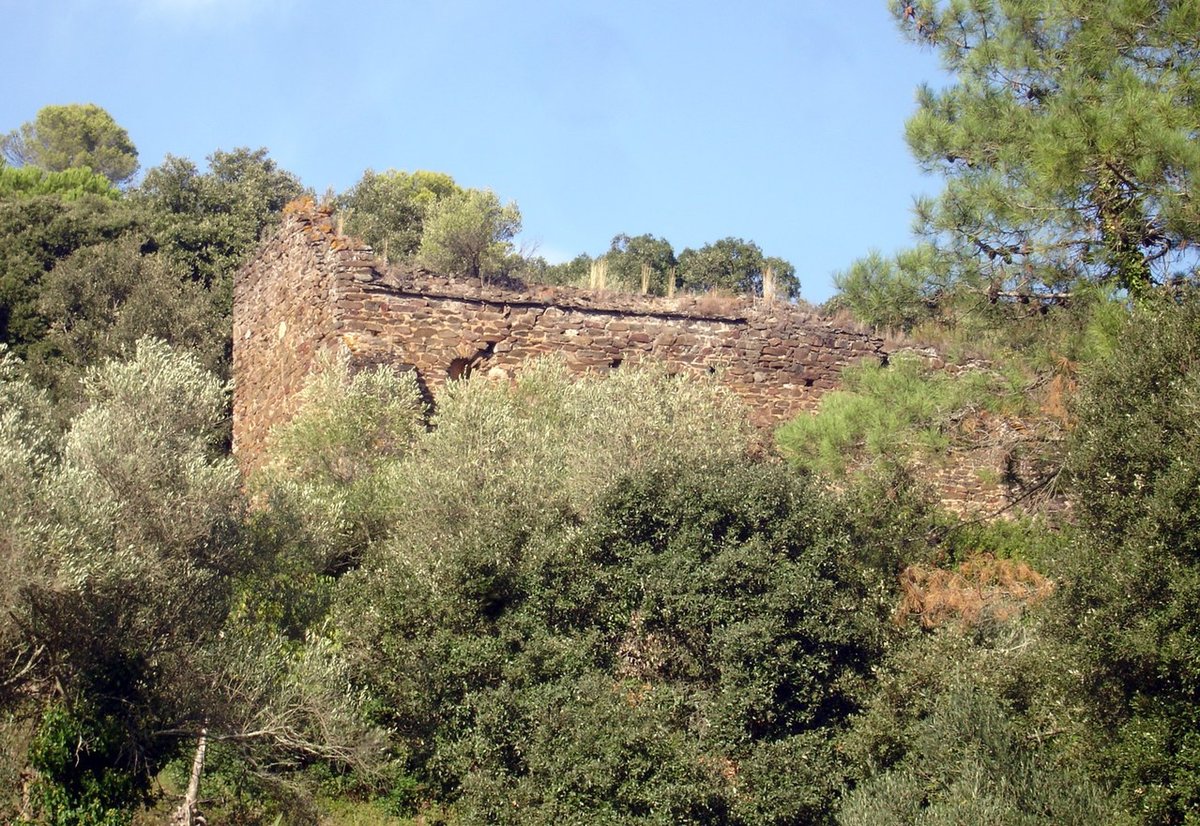
Inland Maestrat village surrounded by dry-farmed crops; notable for its medieval tower and the Socorro natural site with its chapel.
Ocultar artículo Leer artículo completo
The church bells strike twelve, and Calig's single bakery locks its door. This isn't siesta—it's simply sold out. By midday, the village's daily bread allocation has vanished into wicker shopping baskets, and anyone wanting fresh pan de pueblo will need to wait until tomorrow's batch emerges from the wood-fired oven at 7 am sharp.
Calig sits 120 metres above sea level in Baix Maestrat, seven kilometres inland from the Mediterranean's sandy coves. The arrangement suits everyone: day-trippers head to nearby Vinaròs or Benicarló for their beach fix, while Calig remains what it's always been—a working agricultural centre where orange groves press against the village boundaries and the loudest morning sound is the clack-clack of farmers' boots on cobblestones.
The Church That Guides You Home
San Miguel Arcángel's sandstone tower rises above a maze of whitewashed houses, its baroque facade catching the afternoon light. Built between the 16th and 18th centuries, the church serves as Calig's natural compass—spot the tower and you've found the centre. Inside, gothic arches frame elaborate wooden retablos depicting the village's patron saint, while a 17th-century organ sits silent except during September's fiesta, when its pipes shake dust from the rafters.
The old quarter spreads across four compact streets radiating from Plaça Major. Houses here wear their history openly: iron balconies forged in local forges, wooden doors weathered to silver-grey, stone thresholds worn smooth by generations of campesinos hauling citrus crates home from the fields. Many properties retain their original era—the ground-floor storage area where families once kept livestock alongside farming tools, now converted into wine cellars or bodeguitas serving tapas to the occasional visitor.
Between Mountain and Sea
Drive five minutes east and the landscape drops dramatically towards the coast. Five minutes west and you're climbing into the Maestrat mountains, where masías—stone farmhouses—perch on ridges like eagles' nests. This geography shapes everything in Calig. Morning breezes carry salt air from the Mediterranean, while evening brings cooler mountain drafts that make summer nights surprisingly comfortable.
The village's 2,000 hectares divide neatly between irrigated orange groves (the coastal influence) and dry-land crops of olives and carob trees (the mountain climate). From February to April, the azahar—orange blossom—perfumes the entire village, while October's olive harvest sees tractors queue outside the cooperative mill on Carrer de la Font. The mill offers tours by appointment; €5 gets you a demonstration of traditional pressing methods plus tastings of peppery extra virgin oil that never reaches supermarket shelves.
What Actually Happens Here
Calig doesn't do organised activities. Instead, it offers permission to slow down. Market day (Friday) sees farmers spread seasonal produce across Plaça Major: loofahs grown from gourds, jars of mountain honey, tomatoes that actually taste of tomato. The weekly livestock market, held simultaneously behind the municipal pool, auctions everything from rabbits to riding horses with rapid-fire Spanish that defeats even fluent visitors.
Walking routes start from the village edge. The PR-CV 147 trail loops 12 kilometres through carob plantations and abandoned terraces, climbing gently to Ermita de la Mare de Déu dels Àngels at 380 metres. The 18th-century chapel rewards hikers with views stretching from the Ebro Delta to Peníscola's castle-topped headland. The path isn't waymarked—download the track before leaving, or better yet, ask at Bar Central where Santiago keeps printed maps beneath the coffee machine.
Cycling proves more popular than hiking here. A web of agricultural tracks links Calig with neighbouring villages; the route to Sant Jordi (14 kilometres) passes through almond groves that explode with pink blossom during February. Road cyclists favour the CV-120 towards Cervera del Maestre, a rolling ribbon of tarmac with negligible traffic and panoramic Mediterranean vistas. Mountain bikers head for the corriols—narrow single-track paths—criss-crossing the hills behind the village.
Eating Like Someone's Grandmother
Food arrives straight from field to plate, which sounds like marketing speak until you watch the baker's wife selecting judías (runner beans) from the vegetable van that pulls up daily at 11 am. Calig's three restaurants occupy converted village houses; none seat more than 30 people, and menus change according to whatever local suppliers deliver that morning.
At Casa Arayo, Pilar serves arroz al horno baked in individual clay pots, the rice's crusty base achieved using her mother's 1960s oven. Bar-restaurant Noches offers the village's only vegetarian menú del día—think escalivada (roasted peppers and aubergine) drizzled with local olive oil, followed by pastissets (aniseed pastries) that disappear within an hour of baking. For authentic village atmosphere, arrive at 2 pm when farmers in work-stained monos discuss crop prices over carafes of house wine that costs €1.20 per glass.
The village bakery, hidden down an alley beside the pharmacy, produces coca de tomata—flatbread topped with fresh tomato and olive oil—at weekends only. Arrive before 9 am or miss out. Similarly, the Saturday market's xarcutería stall stocks sobrasada from nearby Morella, a spreadable paprika sausage that converts even vegetarians when melted over crusty bread.
When Calig Parties
September's fiesta transforms the village completely. For five days, Calig's population triples as former residents return from Barcelona, Madrid, even Manchester. Daily bull-running through the streets might shock British sensibilities, but it's integral to local culture—participants volunteer, bulls aren't harmed, and barriers protect spectators. Night-time verbenas see plazas converted into open-air discos where three generations dance to Spanish pop until dawn.
January's San Antonio celebrations feel more accessible to outsiders. The blessing of animals—everything from pedigree dogs to pet terrapins—happens outside the church at 11 am sharp, followed by communal cocido (stew) served from giant cauldrons in Plaça Major. Visitors bringing their own bowls and spoons get served first; it's worth joining the queue early for tender chickpeas and morcilla that puts British black pudding to shame.
Getting Here, Staying Here
You'll need a car. Full stop. The twice-daily bus from Vinaròs connects with precisely nothing useful, and taxi drivers refuse the seven-kilometre journey claiming "no hay demanda." Hire vehicles at Valencia airport (90 minutes) or Barcelona (two hours). The final approach involves leaving the AP-7 motorway at Benicarló, then navigating 12 kilometres of country roads where tractors have right of way.
Accommodation means renting village houses; there are no hotels. Owners typically live in Barcelona and let their ancestral properties to visitors seeking authentic Spain. Expect thick stone walls, terracotta floors, roof terraces with mountain views, and kitchens equipped for serious cooking. Prices range €60-120 nightly depending on season. Book through local agency Calig Rural—English spoken, though their directions assume you know the village already.
Summer visits require strategy. July-August temperatures hit 35°C, but the village's altitude makes evenings bearable. Winter brings crisp 15°C days and occasional frost; it's perfect hiking weather, though some restaurants close. Spring offers orange blossom and wild asparagus foraging; autumn brings olive harvests and boletus mushrooms in the mountains. Whenever you visit, remember: Calig operates on its own timetable. The bakery opens at 7, closes at 12, and nobody apologises for it. That's precisely the point.