Fontaine Diane Fountain Diana Anet Louvre MR 1581, MR sup 123.jpg
Comunidad Valenciana · Mediterranean Light

La Jana

At 299 metres above sea level, La Jana sits just high enough to catch the breeze that carries the scent of wild thyme across terraced olive groves....

679 inhabitants · INE 2025
299m Altitude

Why Visit

Museum of Thousand-Year-Old Olive Trees Millenary Olive Trees Route

Best Time to Visit

spring

San Bartolomé Festival (August) agosto

Things to See & Do
in La Jana

Heritage

  • Museum of Thousand-Year-Old Olive Trees
  • Church of San Bartolomé
  • Hermitage of Santa Ana

Activities

  • Millenary Olive Trees Route
  • Visit to the cooperative
  • Easy hiking

Festivals
& & Traditions

Fecha agosto

Fiestas de San Bartolomé (agosto)

Las fiestas locales son el momento perfecto para vivir la autenticidad de La Jana.

Full Article
about La Jana

A farming town known for the largest concentration of thousand-year-old olive trees; an open-air natural museum of monumental specimens.

Ocultar artículo Leer artículo completo

At 299 metres above sea level, La Jana sits just high enough to catch the breeze that carries the scent of wild thyme across terraced olive groves. The village's single bar opens at seven-thirty sharp; by eight, farmers in dusty boots are discussing rainfall statistics over cortados while their dogs sprawl across the warm pavement outside. This is not a showpiece Spain—it's the Spain that keeps working when the tour buses have moved on.

A Village That Measures Time in Harvests

The church bell tolls the hours, but nobody hurries. La Jana's 678 residents judge the season by the colour of the almond blossoms and the weight of the olive harvest, not by calendar pages. Winter mornings bring mist that pools between the low hills; summers are dry and furnace-hot by midday, sending everyone indoors until the shadows lengthen. Spring arrives late here—sometimes not until April—when the greenway tunnels echo with swallow song and cyclists emerge blinking into sudden sunlight.

The village layout follows no grid, just centuries of footpaths widening into lanes. Houses are built from local stone the colour of burnt honey, roofed with curved terracotta tiles that turn mossy during the brief autumn rains. Satellite dishes sprout like metallic mushrooms from upper walls, the only obvious concession to the twenty-first century. There's no supermarket, no cash machine, no Sunday market. What there is instead: a bakery van that honks its arrival at ten each morning, a mobile library every Thursday, and a pharmacy that doubles as the post office twice a week.

Walkers following the Vía Verde del Baix Maestrat—the converted railway that once connected the coast to inland coal mines—often pause here for water and leave puzzled by a place that offers so little and yet feels oddly complete. The old station building, restored in municipal yellow paint, now functions as an information point with opening hours so erratic that the posted timetable has become a local joke.

What You'll Actually Find (and What You Won't)

The parish church dominates the small plaza, its sandstone walls glowing amber at sunset. Inside, the air carries centuries of incense and beeswax; the priest still rings the bell by hand for evening mass. Don't expect baroque splendour—this is sturdy Mediterranean Gothic, built to withstand earthquakes and time rather than impress tourists. The font where babies have been christened since 1732 stands near the door, its rim worn smooth by generations of elbows.

Behind the church, a maze of alleys leads past vegetable plots guarded by cats and the occasional chicken. Someone's grandmother might be watering tomatoes; she'll nod but won't invite conversation—this isn't unfriendliness, just the natural reserve of places where everyone already knows everyone else's business. The houses reveal themselves slowly: a carved stone doorway here, an iron balcony there, always with geraniums in terracotta pots trailing red against ochre walls.

What you won't find: gift shops, tour guides, or that curated "authentic experience" marketed elsewhere. La Jana doesn't do themed anything. The single bar, Casa Paco, serves whatever Paco's wife felt like cooking that morning—perhaps lentils with chorizo, perhaps rabbit in tomato sauce. Arrive after three-thirty and you'll get crisps and a polite shrug. The coffee machine hisses like an impatient cat; locals drink quickly and leave, tourists linger over second cups and wonder if they're missing something.

They aren't, but they might be looking in the wrong places. The real attraction here is the agricultural theatre unfolding beyond the last houses. Stone terraces climb the surrounding hills, each one edged with dry-stone walls built without mortar yet standing centuries later. Olive trees twist from the red earth like living sculpture; some were planted when Victoria was still new to the throne. Between them, almond trees create a brief white haze in late February, turning the slopes into a Monet study for three weeks each year.

Walking Through Layers of Quiet

The GR-331 long-distance path skirts the village, linking La Jana to neighbouring hamlets across twelve kilometres of gentle gradients. Marked with white and red stripes, it follows ancient drove roads where shepherds once moved sheep between winter and summer pastures. The walking is easy—no vertigo-inducing drops, just steady climbs through rosemary-scented scrub until the Mediterranean appears as a silver thread on the horizon.

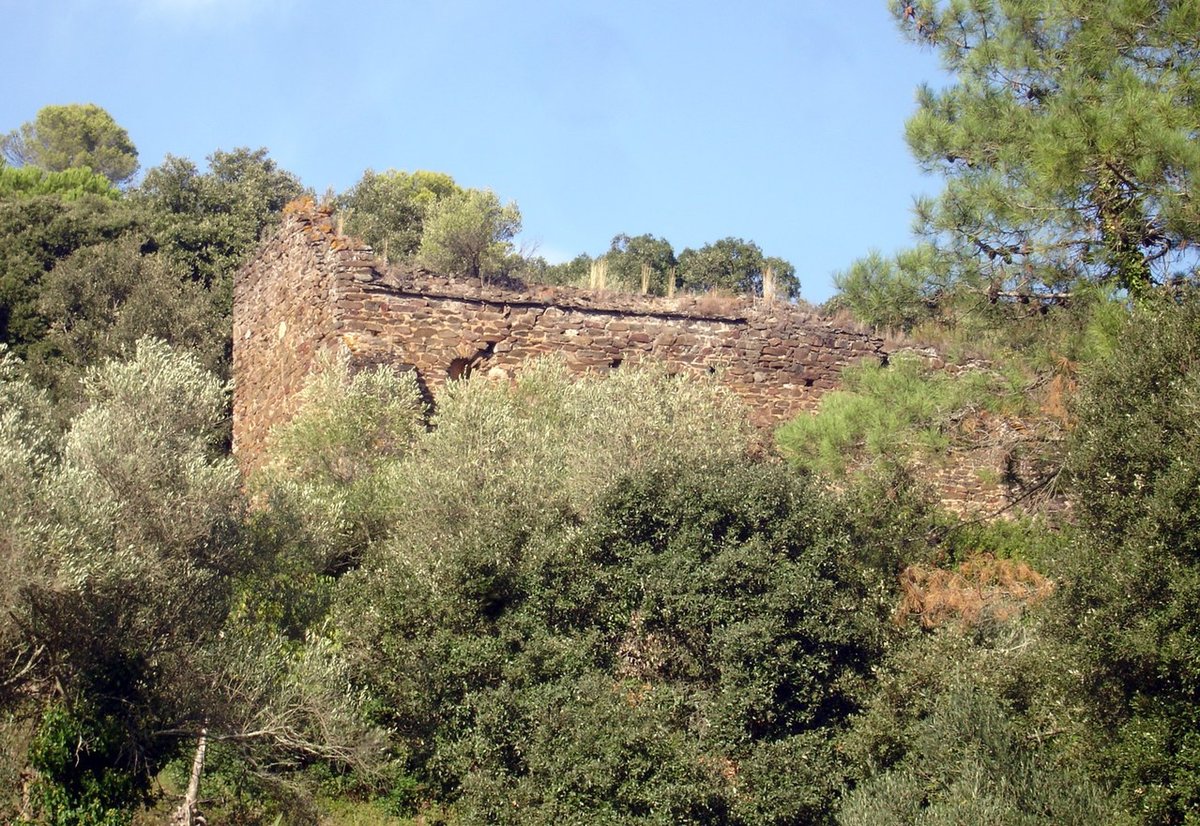
Closer routes require no map. Head south past the cemetery and the tarmac turns to dirt track within five minutes. Follow the irrigation channel for twenty minutes to find the abandoned torre de telegrafia óptica, a nineteenth-century signalling tower now housing nesting storks. Continue another kilometre and the path drops into an unlit railway tunnel—bring a torch, mind your head on the Victorian brickwork, and emerge into a valley where the only sound is bee-eaters calling from overhead wires.

Summer walking demands an early start. By eleven the temperature pushes past thirty degrees; shade exists only in pockets beneath carob trees or inside the tunnels. Winter reverses the equation—bright, crisp days perfect for six-hour circuits, though you'll need layers as the wind carries mountain chill. Spring and autumn provide the sweet spot: warm enough for t-shirts at midday, cool enough for comfortable walking at either end.

The village sits on a natural watershed. Rain falling north of the church flows eventually to the Ebro; south-side water reaches the Mediterranean via the Cervol river. This geographical quirk creates microclimates within walking distance. One valley might be carpeted with wild orchids while the next remains parched and grey. Local farmers exploit these differences, planting almonds on warmer slopes, olives where frost lingers.

Eating (and Drinking) What the Land Provides

Food here follows the agricultural calendar with stubborn fidelity. January means cocido stew thick with chickpeas and pork fat, served with rough red wine that stains teeth purple. April brings artichokes the size of cricket balls, grilled over vine cuttings and dressed with local olive oil so fresh it catches the throat. August is tomato time—raw with garlic and salt for breakfast, stewed with rabbit for lunch, reduced to conserve for winter storage.

The bar's opening hours expand during fiesta week in mid-August, when returning emigrants swell the population and temporary stalls sell grilled sardines for one euro each. Someone's uncle brings a sound system; someone's cousin DJs until the Guardia Civil arrive at two am to enforce noise regulations. The next morning, the plaza smells of diesel generators and stale beer, but by eleven the only evidence is extra rubbish bags outside Casa Paco.

For visitors, the culinary highlight might be the simplest: bread from the travelling bakery, still warm, torn open and rubbed with tomato, olive oil and a pinch of salt. Eat it sitting on the church steps as the evening paseo begins. Grandmothers in black shuffle past on their husbands' arms; teenagers circle on bikes worth more than most monthly wages. Nobody photographs this—it’s just Thursday, or Saturday, or any day that ends in bread and company.

Buy olive oil directly from the cooperative on the road out of town. They'll fill any container from a stainless-steel tap: five litres for eighteen euros, the price of a decent bottle back home. The oil is mild, almost sweet, nothing like the peppery Tuscan varieties British delis favour. Ask for a taste first; the woman behind the counter will produce crusty bread and watch your face carefully for approval she's been giving since Franco died.

The Practical Bits Without the Brochure Speak

Getting here requires intention. The nearest airport, Castellón, accepts Ryanair flights from Stansted on Mondays and Fridays between April and October—outside those months, fly to Valencia or Reus and drive ninety minutes up the AP-7 then inland on the CV-10. Car hire is essential; taxis from Castellón airport cost forty-five euros and require pre-booking since only two companies serve the area.

Accommodation means staying elsewhere. Hotel RH Vinaròs Playa sits twenty-two kilometres away on the coast—functional, sea-facing, with parking included. Closer options exist in converted farmhouses: Casa Rural La Parreta five kilometres north offers a pool and mountain views, booked through specialist Spanish agencies rather than global platforms. wild camping is tolerated provided you're discreet and gone by dawn; the forestry tracks above the village offer flat spots with Mediterranean views but no facilities whatsoever.

Bring cash—euros only, no cards accepted for purchases under twenty euros anywhere in the village. The bar closes at ten-thirty prompt; the bakery van accepts exact change only. Sunday everything shuts except Casa Paco, and even they stop serving food at three-thirty. Plan accordingly or learn the Spanish for "packet of crisps and a beer counts as lunch."

Weather catches people out. At three hundred metres, La Jana runs five degrees cooler than the coast—welcome in August, bitter in January when the Tramontana wind drives temperatures below freezing. Summer afternoons reach thirty-five degrees in shade that barely exists; winter nights drop to minus two, when the church fountain develops a skin of ice thick enough to skate bottle tops. Pack layers regardless of season, and always carry water when walking—the next village might be twelve kilometres away and the only spring en route dried up in 2019.

Leaving Without the Hard Sell

La Jana won't change your life. You won't tick off bucket-list sights or capture Instagram gold—flat light on ochre stone rarely excites algorithms. What you might gain instead is memory of perfect quiet broken only by church bells and distant tractors, of bread that tastes like wheat should, of elderly men who nod good morning because that's simply what one does.

The village continues after you've gone. Almond blossom will come and go whether anyone photographs it; Paco will still serve coffee at seven-thirty long after your rental car has returned to the airport. This is both the pleasure and the limitation of places like La Jana—they exist perfectly well without visitors, offering brief loan of their rhythms to those willing to slow down and match their pace.

Drive away slowly. The road curves past the last olive terraces, then drops toward the coast where traffic thickens and time accelerates. In the rear-view mirror, the church tower shrinks to a punctuation mark against the hills. By the time you reach the motorway, La Jana has already returned to its own concerns—harvests, rainfall, the slow turn of seasons that need no audience to matter.

Key Facts

Region
Comunidad Valenciana
District
Baix Maestrat
INE Code
12070
Coast
No
Mountain
No
Season
spring

Livability & Services

Key data for living or remote work

2024
ConnectivityFiber + 5G
HealthcareHospital 17 km away
EducationElementary school
Housing~5€/m² rent · Affordable
CoastBeach 17 km away
Sources: INE, CNMC, Ministry of Health, AEMET

Official Data

Institutional records and open data (when available).

  • Escudo de los Vallés de 1550
    bic Monumento ~0.2 km
  • Escudo de los Valles en la calle de la Corte, 6
    bic Monumento ~0.3 km
  • Escudo de los Vallés
    bic Monumento ~0.2 km
  • Escudo del familiar del Santo Oficio Vallés
    bic Monumento ~0.2 km
  • Escudo de los Jovaní
    bic Monumento ~0.2 km

Planning Your Visit?

Discover more villages in the Baix Maestrat.

View full region →

More villages in Baix Maestrat

Traveler Reviews