Full Article
about La Pobla de Benifassà
Municipality that groups several villages in the Tinença de Benifassà natural park; spectacular landscapes and wild fauna such as the Spanish ibex.
Hide article Read full article
A place that sets its own pace
Some villages are made for ticking off quickly. Others slow you down before you even realise it. Tourism in La Pobla de Benifassà falls firmly into the second group. You arrive along a mountain road, park, take a few steps, and things shift. It is not about a long list of sights. The mountains, the quiet, and the scale of the place do most of the work.
La Pobla de Benifassà sits in the far north-west of the Baix Maestrat, close to the borders with Aragón and Catalonia, deep within the rugged landscape of the Ports. Fewer than 250 people live here, at around 700 metres above sea level. The atmosphere feels more like inland mountain country than the coastal image many associate with the Comunidad Valenciana. Stone houses, steep streets, and plenty of silence define the setting.
A compact village centre
The village can be covered in a short walk. It really is that small.
At its centre stands the parish church of the Purísima Concepción. The building is sober, shaped by changes over different periods. It is not monumental, yet it fits the tone of the village. Thick walls, little decoration, and a sense that things were built to last rather than to impress.
From here, a handful of narrow streets slope up and down the hillside. Walking through them reveals small details that say a lot about life here. Doorways with old iron grilles, external staircases resting on ageing beams, houses pressed close together as if bracing against the winter.
This is not a historic centre filled with landmarks. It is the kind of place that quickly gives you a feel for how people have lived here for generations.
The landscape takes over
As appealing as the village is, the strongest impression comes when you look beyond it. Mountains dominate everything.
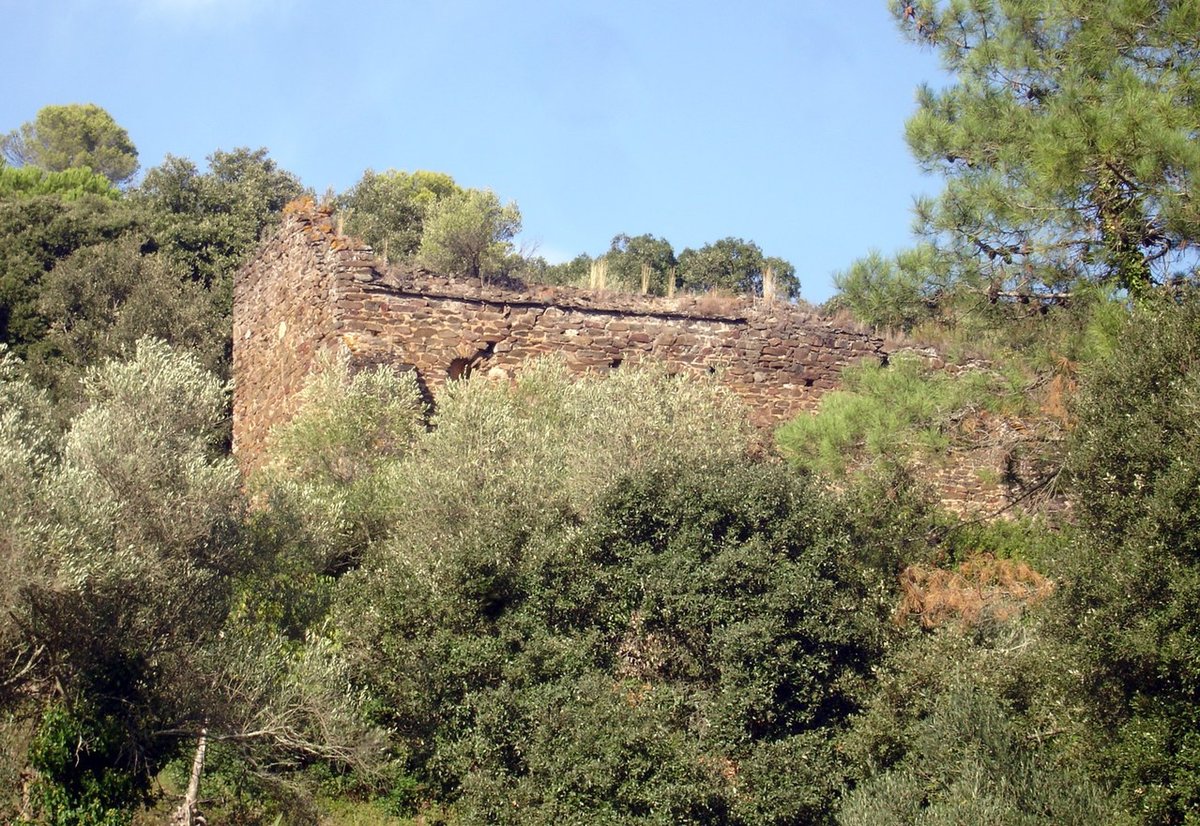
The Ports form a landscape of rocky cliffs, ravines, and Mediterranean woodland where pines and holm oaks are common. In summer, the terrain can look dry and tough, with the ochre tones typical of this part of Spain. After the first autumn rains, the scene changes noticeably, and deeper greens return.
This is walking country. There are marked trails linking different parts of the natural park, alongside older paths once used by shepherds and locals moving between farmsteads and mountain passes. Some stretches involve serious climbs, the kind that quickly remind you this is not a seaside promenade.
Walking into the Ports
For anyone who enjoys walking, this is the main reason to come.
Several routes either begin in or pass through the village, heading into the massif of the Ports. The terrain often alternates between forest tracks and narrower footpaths, crossing ravines and low woodland where rosemary, rockrose, and holm oak appear.
There is no need to plan anything ambitious. Sometimes it is enough to follow one of the paths leading out of the village and start gaining height. Within minutes, the views open up across the valley and the patchwork of hills surrounding the area.
It is worth being prepared, though. Sturdy footwear and water make a difference. The terrain has a way of looking easier than it is.
The hermitage and everyday spaces
On one side of the village sits the hermitage of San Sebastián, next to a small fountain. It is a simple place, but one that becomes more lively at certain times of year, when local events or gatherings take place.
In villages of this size, these spaces still act as meeting points. There are no large-scale festivals or tourist productions. When something is celebrated, it is noticeable because people with roots here return, and the streets become far more animated than usual.
Food shaped by the mountains
The local cooking reflects the setting. This is mountain food, built around hearty, warming dishes.
Stews are common, often made with small game or farm-raised meat, cooked slowly and designed for cold days or long hours outdoors. Recipes frequently include pulses or dried vegetables. When autumn arrives, mushrooms become part of the picture, thanks to the surrounding landscape for those who know where to look.
There is nothing elaborate about it. This is food that calls for bread on the side and suits the rhythm of rural life.
When to come and how long to stay
La Pobla de Benifassà is not a place to spend several days entirely within the village itself. It is better to be clear about that.
The centre can be seen quickly, so most visits combine a walk through the streets with time spent exploring the surrounding countryside or taking a longer route through the Ports. A long morning or a well-used half day is usually enough to leave with a strong impression.
Spring and autumn are often the most pleasant seasons for moving around the area. Summer brings heat during certain hours, while winter feels especially quiet, with short days, few open houses, and plenty of stillness.
That quiet, though, is part of the appeal. This is the kind of place where the sound you notice most is the wind, not traffic.