Full Article
about Algar de Palancia
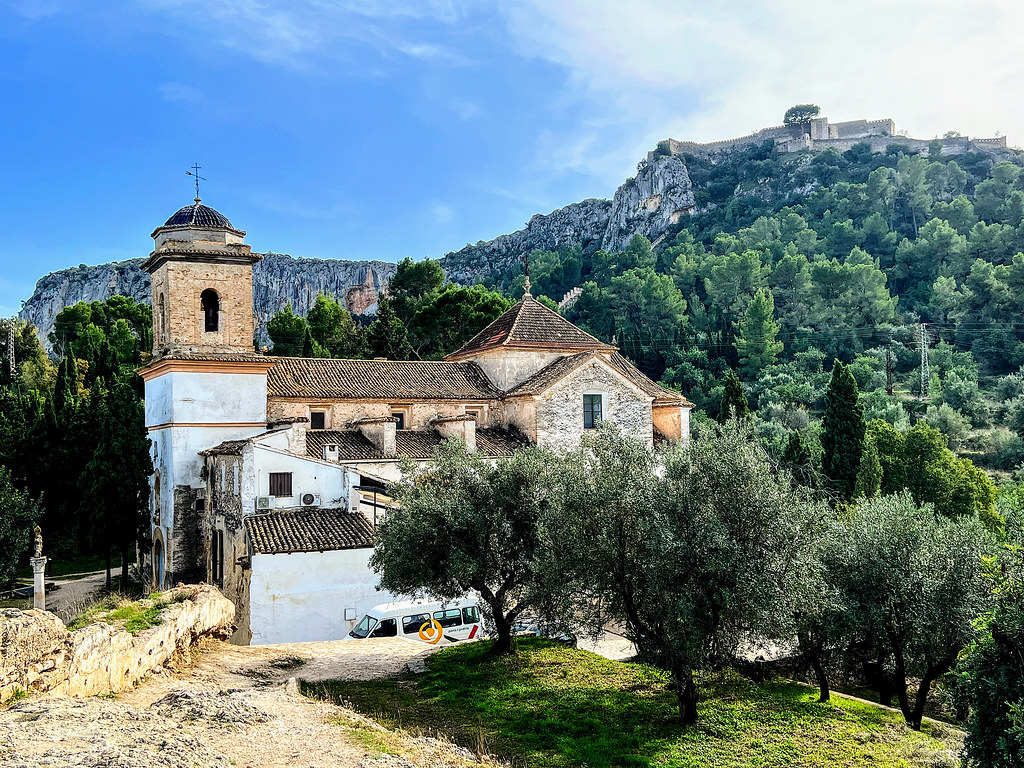
Arab-origin village in the Palancia valley with an old defensive tower
Ocultar artículo Leer artículo completo
The bakery opens at seven, but the bread's usually gone by nine. That's your first lesson in Algar de Palancia – a village where time moves differently, where the day's rhythm follows agricultural clocks rather than tourist timetables. Located forty-five kilometres northwest of Valencia, this mountain settlement sits at two hundred metres above sea level, offering a radically different experience from the coastal resorts that dominate British perceptions of the region.
Morning Mist and Almond Blossoms
February transforms the surrounding hills into something remarkable. Terraced almond orchards explode into pink-white blossom, creating a spectacle that rivals Japan's cherry season without the crowds or entry fees. The local walking route, known informally as the Ruta de los Almendros, follows ancient stone paths connecting Algar to neighbouring villages. It's not signposted with flashy markers – directions come from asking at the bakery, where María will draw a crude map on a paper napkin while wrapping your still-warm ensaïmada.
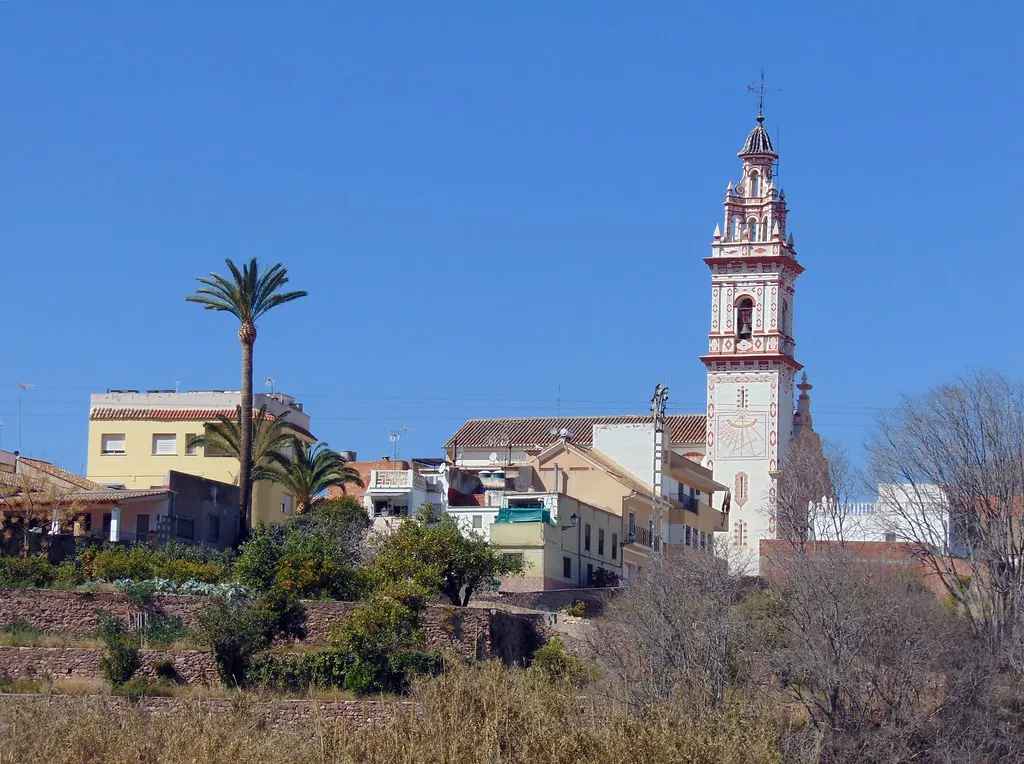
The village itself reveals its character slowly. Narrow streets wind between stone houses topped with traditional Arabic tiles, their weathered surfaces telling stories of centuries past. The parish church of Our Lady of the Forsaken anchors the settlement, not as a grand monument but as the community's beating heart. Sunday mornings see locals gathering outside after mass, exchanging gossip while children chase pigeons across the small plaza.
What's immediately apparent is the absence of tourist infrastructure. No souvenir shops flogging fridge magnets, no overpriced cafés with English menus translated by algorithm. This is working Spain, where farmers still transport produce on ancient tractors and neighbours help each other harvest olives during November's frenzied picking season.
The Palancia Valley's Living Heritage
The river Palancia snakes through the valley below, creating a narrow green corridor that supports wildlife rarely seen on the crowded coast. Kingfishers dart between poplar and oleander bushes, while herons stalk the shallows. During dry summers, the water level drops dramatically, exposing smooth stones where locals teach their children to skip pebbles – a universal pastime that needs no translation.
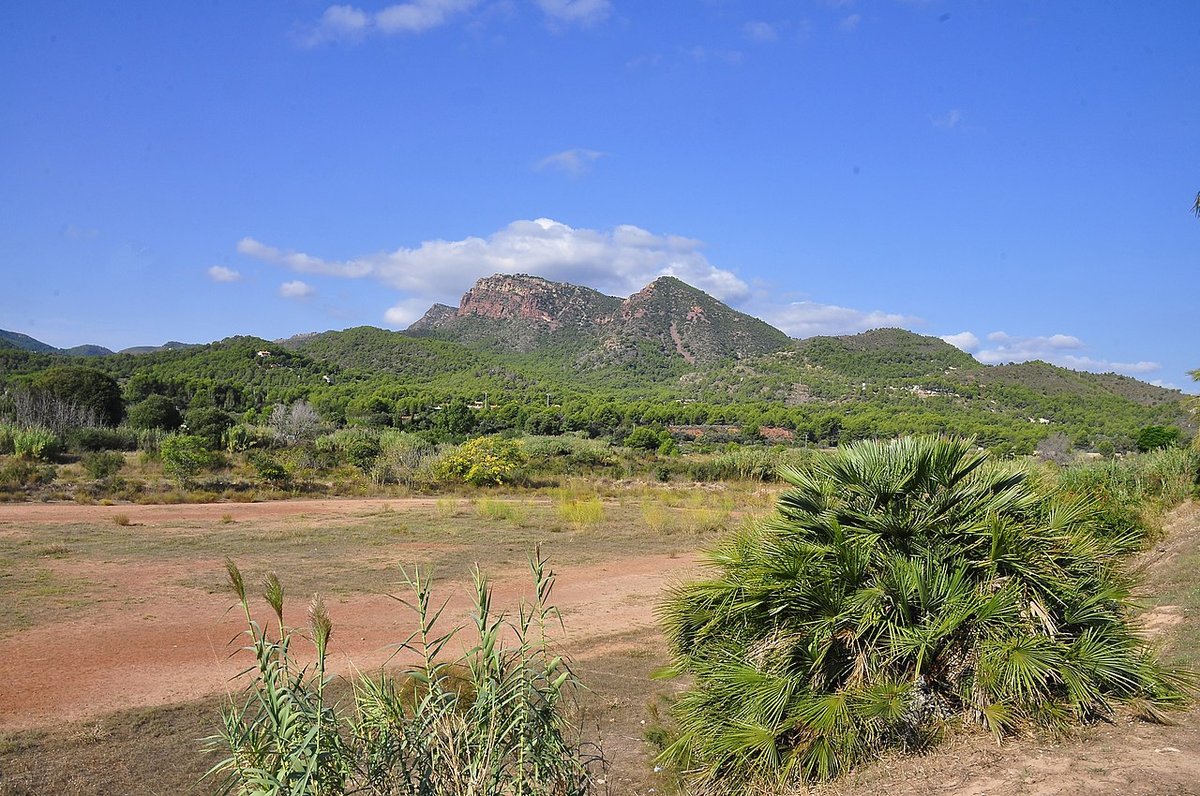
Walking tracks radiate from the village in all directions, following traditional agricultural paths. These aren't groomed trails with handrails and refreshment stations. They're working routes connecting fields and farmhouses, where encounters with grazing sheep or elderly farmers on puttering quad bikes form part of the experience. The surrounding topography offers moderate hiking suitable for families, though summer heat demands early starts and ample water.
Local cuisine reflects this agricultural reality. Menus feature hearty rice dishes baked with pork and chickpeas, vegetable stews utilising whatever the garden produces, and goat cheese made by neighbours who maintain small herds. The village's single bakery produces churros on Sunday mornings that disappear faster than tickets to a Manchester derby – arrive late and you'll find only crumbs and regret.
Practical Realities of Mountain Village Life
Getting here requires planning. Valencia Airport sits thirty minutes away by hire car, making the journey quicker than reaching many Costa Blanca resorts. The A-23 motorway towards Sagunto provides straightforward access, though the final approach involves winding mountain roads that demand attention. Public transport exists but operates on Spanish time – two buses daily connecting to Sagunto, with schedules that seem designed to frustrate rather than facilitate.
Accommodation options remain limited. Casa Rural El Refugio offers three self-catering apartments in a restored townhouse, typically booked months ahead during spring blossom season. Alternative options involve staying in Sagunto's modern hotels and driving up for day visits, though this misses the evening magic when day-trippers depart and the village relaxes into authentic rhythms.
Summer presents particular challenges. August temperatures regularly exceed thirty-five degrees, and the village empties as locals escape to coastal relatives. Many businesses close during these weeks, creating a ghost-town atmosphere that either appeals or appals depending on expectations. Conversely, winter brings crisp mountain air and empty trails, though evenings require proper heating and warm clothing.
Beyond the Postcard Image
What Algar de Palancia offers isn't picture-perfect Spain filtered through Instagram. It's something more valuable: a glimpse into rural Mediterranean life that tourism hasn't sanitised. The elderly man who greets you might invite you to taste his homemade wine, produced from vines his grandfather planted. The local bar serves coffee that costs ninety cents, not four euros, accompanied by conversation rather than Wi-Fi codes.
Festivals unfold throughout the year, each rooted in agricultural or religious traditions. May's patron saint celebrations involve the entire village preparing communal meals, decorating streets with handmade banners, and dancing to bands that combine traditional instruments with surprisingly modern interpretations. These aren't performances for visitors – they're expressions of community identity that outsiders witness rather than consume.
The surrounding landscape rewards patient exploration. Spring brings wild asparagus that locals forage for Sunday tortilla ingredients. Autumn offers mushroom hunting in nearby pine forests, though knowledge of edible varieties remains essential. Even summer's harsh heat provides compensation through spectacular thunderstorms that transform dry riverbeds into temporary torrents, creating natural swimming holes where children learn to dive under parental supervision.
When to Visit and What to Expect
March delivers the almond blossom spectacle combined with comfortable walking temperatures. May offers orange blossom scents drifting up from valley groves, creating perfume that no luxury brand has successfully bottled. September provides reliable weather for hiking without summer's intensity, while October's clear skies reveal mountain vistas extending to the Mediterranean.
What you won't find matters equally. No nightlife beyond the occasional Saturday barbecue that spills onto village streets. No cash machines – the nearest sits fifteen minutes away in Sagunto. No English spoken in most establishments, though gestures and goodwill overcome most linguistic barriers. No mobile phone signal in certain valley locations, forcing disconnection that many visitors initially resist then reluctantly embrace.
Algar de Palancia represents Spain's other face – the one that existed before mass tourism, where community connections matter more than TripAdvisor ratings. It's not perfect: winters can feel isolating, summer heat proves relentless, and the lack of amenities frustrates those seeking convenience. Yet for travellers willing to abandon preconceptions and embrace local rhythms, it offers something increasingly rare: genuine authenticity in a world increasingly filtered through commercial expectations.
The bread's probably sold out by now. Tomorrow, try arriving earlier.