Full Article
about Algimia de Alfara
Quiet municipality in the Baronía, surrounded by orange groves and low hills.
Hide article Read full article
Algimia de Alfara: cuando el GPS marca campo
Llegas a Algimia de Alfara, a unos 35 kilómetros de Valencia, y lo primero que notas es el silencio. No un silencio vacío, sino ese ruido de fondo de un pueblo que funciona: una furgoneta arrancando, una puerta que se cierra, el runrún lejano de un tractor. Es como poner pausa después del tráfico de la CV-32. Aquí no hay taquillas para selfies ni flechas que señalen “centro histórico”. La vida, sencillamente, sigue su curso.
Con poco más de mil habitantes, este pueblo del Camp de Morvedre es agrícola hasta la médula. No en el sentido decorativo de “huertos urbanos”, sino en el práctico: la gente vive de lo que hay alrededor. Si vienes buscando una catedral o un museo con audioguía, te vas a quedar con las ganas. Pero si te apetece ver cómo se vive en un lugar donde la conversación en la plaza puede girar, con toda naturalidad, sobre la próxima cosecha de naranjas o el estado de una acequia, entonces empiezas a entenderlo.
Un paseo sin pérdida (ni grandes monumentos)
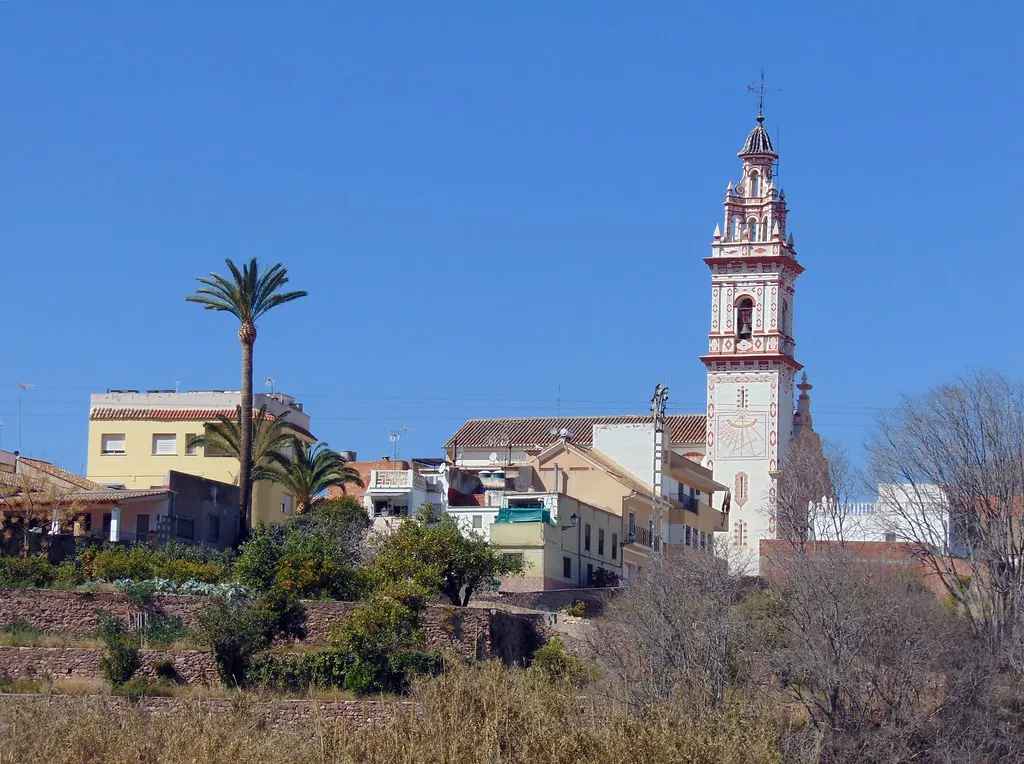
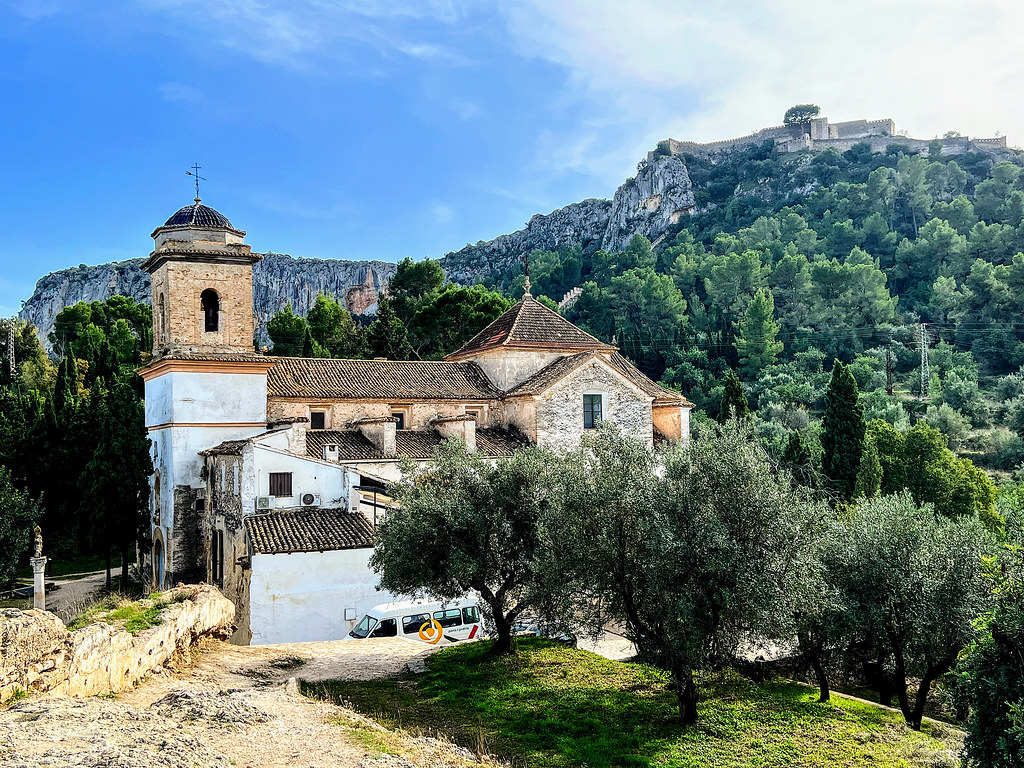
El núcleo es tan compacto que lo recorres en media hora sin mapa. Todas las calles parecen llevar a la plaza de la Iglesia, donde está San Miguel Arcángel. Es el punto de referencia visual y social; el sitio donde se juntan las bancadas cuando hace bueno.
La arquitectura es esa mezcla típica valenciana: alguna fachada recién pintada al lado de un portalón de piedra desgastado por los años, rejas de hierro en las ventanas. Nada parece pensado para impresionar al forastero, y ahí está precisamente su gracia. Te fijas en los detalles: una maceta bien cuidada en un balcón, el olor a lejía que sale de un patio interior abierto… son esas cosas las que te dan la medida del sitio.
Donde termina el asfalto empieza lo interesante
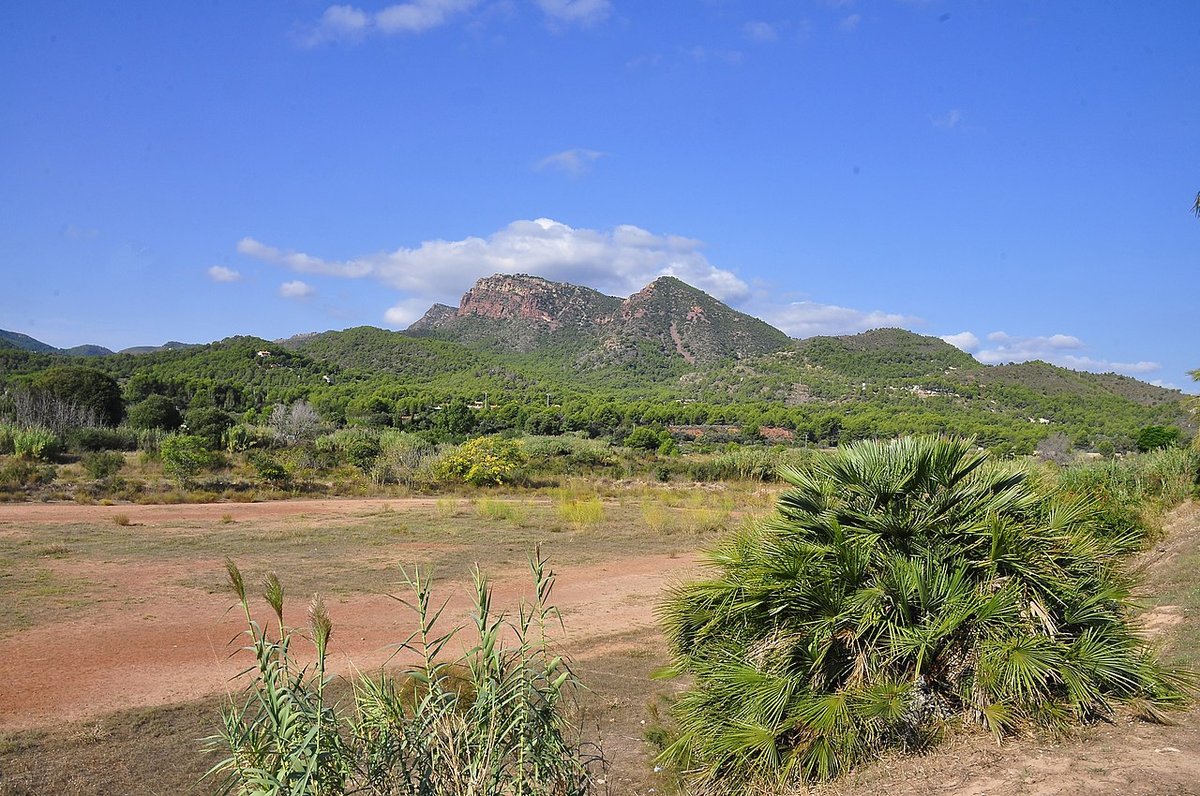
Cruzas la carretera y en dos minutos estás entre campos. Aquí no hay senderos señalizados con palitos amarillos y blancos; hay caminos de tierra anchos, hechos para que pasen los tractores y los remolques cargados de cítricos. Compartirás el espacio con maquinaria agrícola, así que conviene ir atento.
El paisaje lo dominan los naranjos. Si vas en primavera, el aire huele a azahar, un aroma dulzón que se te queda pegado a la ropa. El resto del año predomina el olor a tierra húmeda y a hierba seca. Verás trabajadores entre los árboles, mangueras por el suelo y cajas apiladas listas para llenar. Esto no es un decorado bucólico; es una nave industrial al aire libre.
Las acequias bordean las parcelas recordándote que todo aquí gira alrededor del agua. Hay pequeñas casetas para guardar herramientas y algún perro suelto que te mira pasar sin inmutarse. El territorio tiene una lógica agrícola tan clara que hasta un urbanita como yo la termina entendiendo.
Para andar o pedalear (sin pretensiones)
No vengas buscando rutas de trekking épicas con desniveles brutales. Lo que hay son esos mismos caminos rurales, ideales para un paseo tranquilo o para ir en bici. Muchos vecinos salen aquí a caminar a diario.
La gracia no está en sudar la camiseta, sino en leer el paisaje: entender por qué los bancales son así, seguir el curso del agua por las acequias o simplemente perderse entre hileras infinitas de árboles verdes. Con veinte minutos andando ya captas la esencia del lugar.
Fiestas: lo justo y necesario
El calendario lo marcan unas pocas celebraciones clave. Las fiestas patronales son a finales septiembre por San Miguel Arcángel: hay procesión, alguna actividad en la plaza y se nota cierto bullicio local.
En marzo montan falla. Olvídate del espectáculo masivo de Valencia; aquí es algo modesto y casero, organizado por y para los del pueblo.
Son tradiciones mantenidas por inercia local más que por interés turístico. Si coincides, bien; si no, tampoco te pierdes algo revolucionario.
Cómo ir y qué hacer (sin complicarse)
La forma sensata de llegar es en coche desde Valencia. Son unos 40 minutos por la A-23 dirección Sagunto y luego por carreteras comarcales tranquilas.
¿Merece un viaje exprés? Sí, pero con mentalidad adecuada. Puedes hacerlo en medio día: aparcas (siempre encuentras sitio), das una vuelta por el pueblo hasta la iglesia, tomas algo en la plaza si hay terraza puesta y luego te vas a caminar un rato entre los naranjos hasta donde te apetezca. No necesitas más. Algimia no es un destino; es una postal real del interior valenciano donde se trabaja la tierra. Te vas con las botanas polvorientas y con la sensación rara de haber estado en un sitio que ignora por completo tus expectativas turísticas. Y a veces eso es justo lo que necesitas