Full Article
about Faura
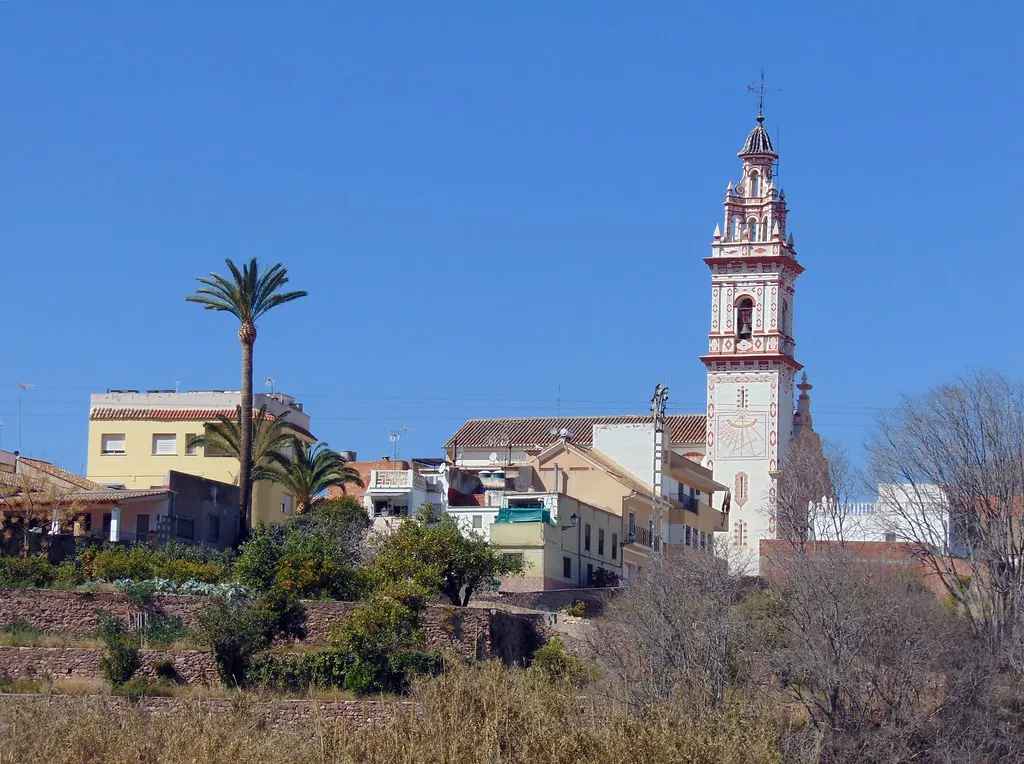
Faura, a town in Les Valls, with La Rodana as its green lung and a stately palace.
Hide article Read full article
Faura: el pueblo que no se entera de que es un destino
Faura es como ese compañero de trabajo tranquilo que siempre está en su sitio, haciendo lo suyo, y al que le da igual si le miras o no. No es que sea hostil; simplemente, tiene sus cosas y su ritmo. Llegas, aparcas el coche sin problema (algo ya de agradecer), y te das una vuelta. En diez minutos has cruzado el núcleo histórico. Pero si vas con prisa, te lo pierdes todo.
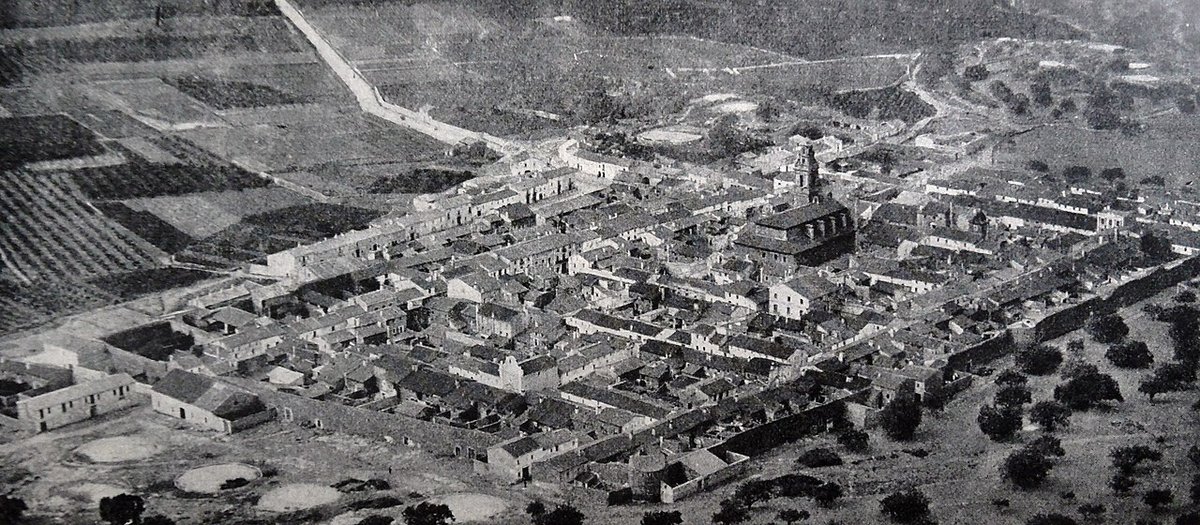
Las calles son estrechas y serpenteantes, con esa planta que delata su pasado andalusí. A veces, desde una ventana entreabierta, notas la mirada de alguien. No es curiosidad malsana; es el radar natural de un pueblo donde todo el mundo se conoce. Te registran, asienten para sus adentros y siguen con su vida.
El edificio que rompe la monotonía de fachadas es la Casa Condal. Tiene ese aire de casona noble venida a menos que tanto me gusta. Subes por una escalera gótica que parece sacada de un decorado y, abajo, te encuentras con una aljibe enorme. Piensas en la gente cargando cántaros por esas escaleras y se te quitan las tonterías. Durante siglos, aquí el agua no salía de un grifo.
La iglesia con fachada prestada
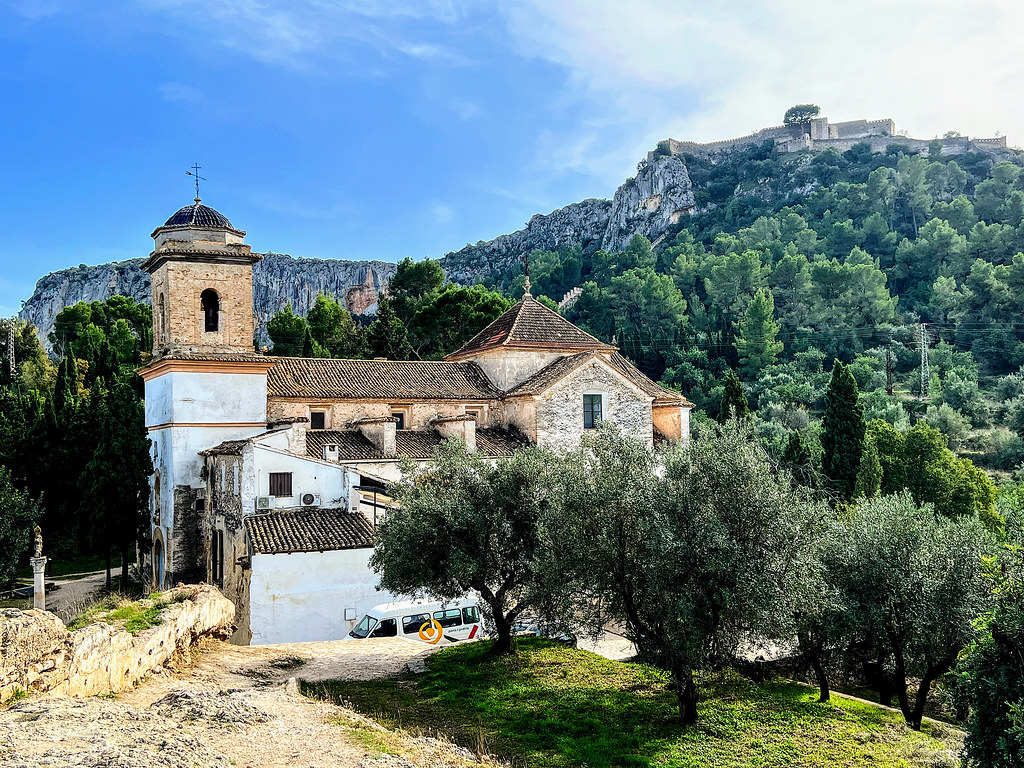
La iglesia de los Santos Juanes tiene truco. Su portada barroca es un transplanté: vino del Hospital General de Valencia en los años 80. Suena a chapuza monumental, pero la verdad es que encaja. Una vez dentro, lo valioso está arriba: unos frescos del siglo XVIII hechos al óleo sobre yeso. Es una técnica rara y cara para la época. No hay cartelitos luminosos señalándolos; tienes que levantar la cabeza y buscarlos.
La torre del campanario es la parte sincera del conjunto. Es lo único que queda en pie de la iglesia anterior, del siglo XVI. Mientras todo a su alrededor se reformaba o se caía, ella aguantó. Ahora vigila la plaza con ese aire de veterana que ha visto demasiados cambios como para inmutarse.
Aquí se habla de paella (y se discute)
Si quieres ver a Faura con el orgullo bien puesto, acércate a finales de abril durante la Semana de la Paella. El nombre no da lugar a equívocos: esto va de arroz. Se cocina en la calle y el ambiente huele a leña, azafrán y opiniones muy firmes. Cada cual tiene su receta de la buena, y las defiende con uñas y dientes. Es más un ritual vecinal que un espectáculo turístico.
En febrero, para San Blas, cambian los sabores: salen las rosquillas del santo. Son esas galletas sencillas que picas sin pensar y antes de darte cuenta has vaciado el plato. Y luego está la coca de mollitas: una base fina cubierta de migas crujientes, ajo y hierbas. Suena raro hasta que pruebas el primer trozo; después ya no paras.
Donde termina el pueblo empieza el campo
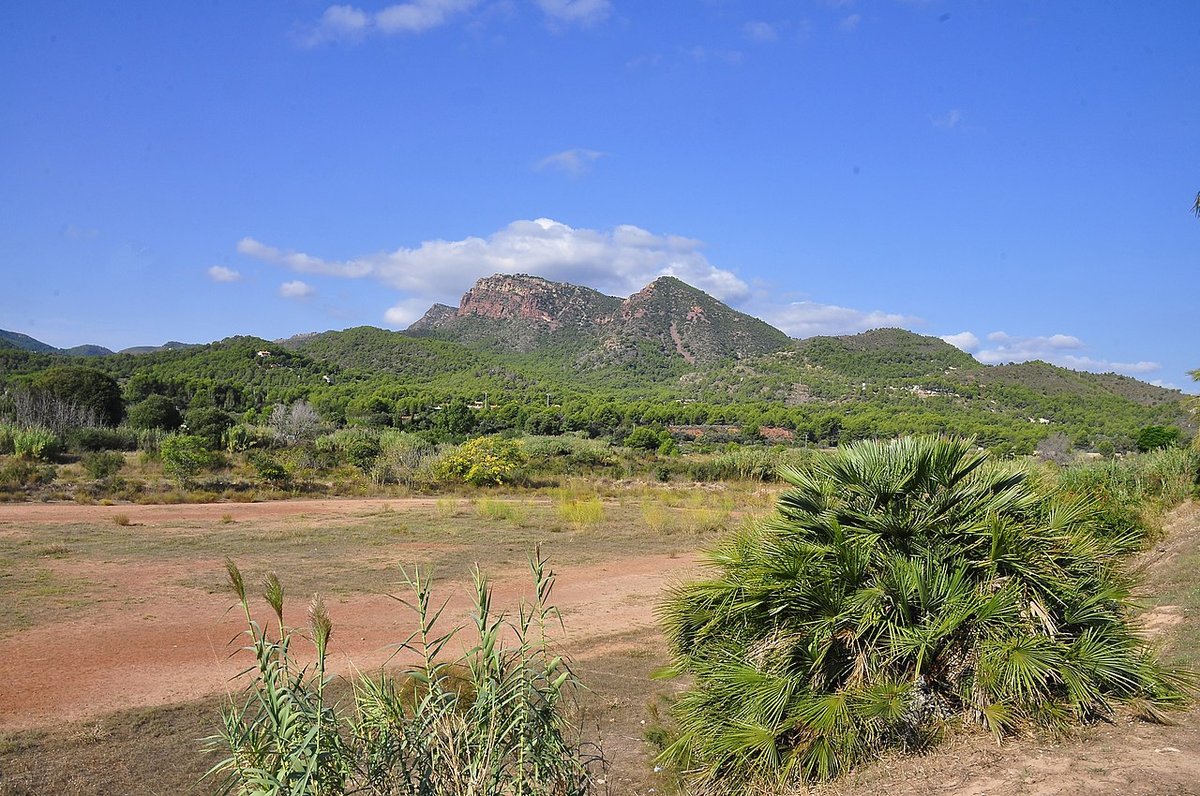
La huerta rodea Faura por todos lados. Justo al salir del casco urbano empieza la Senda de les Marjales, unos cinco kilómetros llanos por lo que fueron arrozales del Palància. Ya no se cultiva arroz, pero quedan las acequias rectas como reglas y los caminos dibujados para repartir agua. En primavera, el olor a azahar lo inunda todo. Lleva agua y gorra; aquí la sombra es un bien escaso.
También pasa por aquí la Ruta dels Pobles de Morvedre. Es un itinerario más largo que une varios pueblos por senderos tradicionales. No hace falta hacerla entera; con caminar un tramo hasta sentir que estás lejos del ruido (y volver) ya vale.
Estos paisajes explican mucho del carácter del pueblo. Hablan de una vida pegada a la tierra, aunque los cultivos hayan ido cambiando.
Para ir sin sorpresas
Venir a Faura requiere ajustar las expectativas. No hay oficina de turismo ni tiendas de souvenirs. La visita consiste en pasear, observar los detalles e imaginar cómo se vivía aquí antes. Poco más.
En verano hay romería hasta la ermita de Santa Ana. Se sube en grupo, charlando; el camino importa tanto como llegar.
Y en diciembre montan un belén viviente en la Casa Condal. Los vecinos se visten con túnicas algo improvisadas y llenan las estancias históricas de pastores y ángeles. Tiene ese punto casero y entrañable que a veces pierden los eventos más profesionales.
¿Es Faura el pueblo más espectacular de Valencia? No. Pero tiene algo honesto. No te va a recibir con pancartas ni circuitos señalizados; te acepta como un elemento más del paisaje mientras dura tu paseo. Y quizá eso sea justo lo que necesitas algunos días: un sitio donde ser invisible durante unas horas