Full Article
about Quart de les Valls
Town known for the Font de Quart, a spring that waters the region.
Hide article Read full article
A village that keeps things to itself
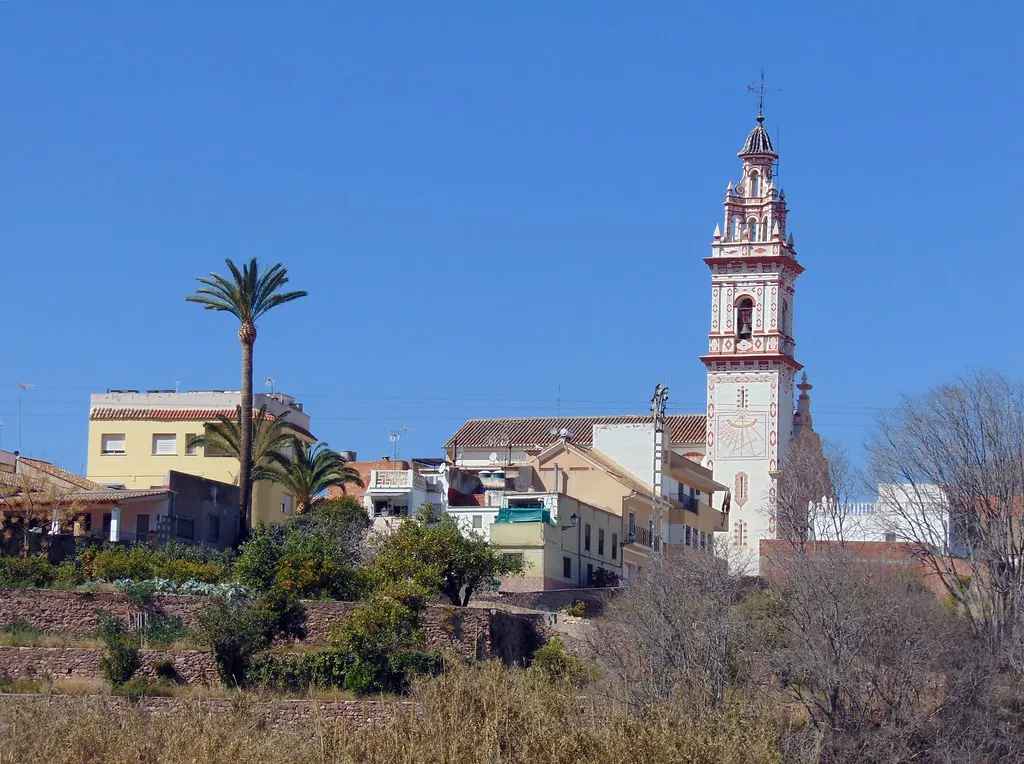
Quart de les Valls does not try to impress at first glance. There are no souvenir shops, no terraces with menus in several languages, no one handing out leaflets as you arrive. That absence shapes the experience more than anything else.
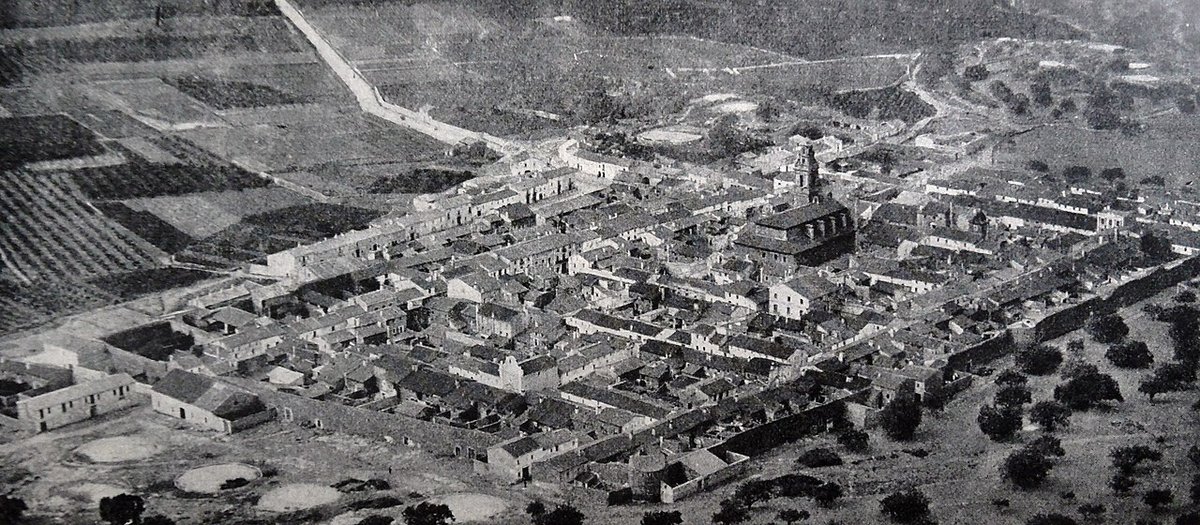
The village sits on a low hill as if it has always belonged there. Houses show their age without apology. Some façades are worn, laundry hangs from balconies, and cats cross the street as though traffic were a distant idea rather than a daily concern.
Near the Plaça Major, the centre feels almost interchangeable with the surrounding buildings. The town hall could pass for a large house, and a large house could easily be mistaken for the town hall. Life unfolds quietly. People come and go, conversations are brief, and there is little need to explain who belongs and who does not. Visitors are noticed, but without fuss.
Traces that don’t make the guidebooks
One of the first places that draws attention is the Forn Vell. It was once a communal oven and is often said to date back to medieval times. It no longer operates, yet its façade still bears marks from the Spanish Civil War. Those scars hold the eye longer than any signboard might. They are not presented as a formal attraction, just part of the fabric of the place.
Next to it, a small square with a fountain offers a pause. Water runs constantly, and not much else happens. A neighbour might pass carrying shopping, someone else exchanges a short greeting. It is the kind of interaction that sits somewhere between hello and goodbye, a quiet confirmation that everything is continuing as usual.
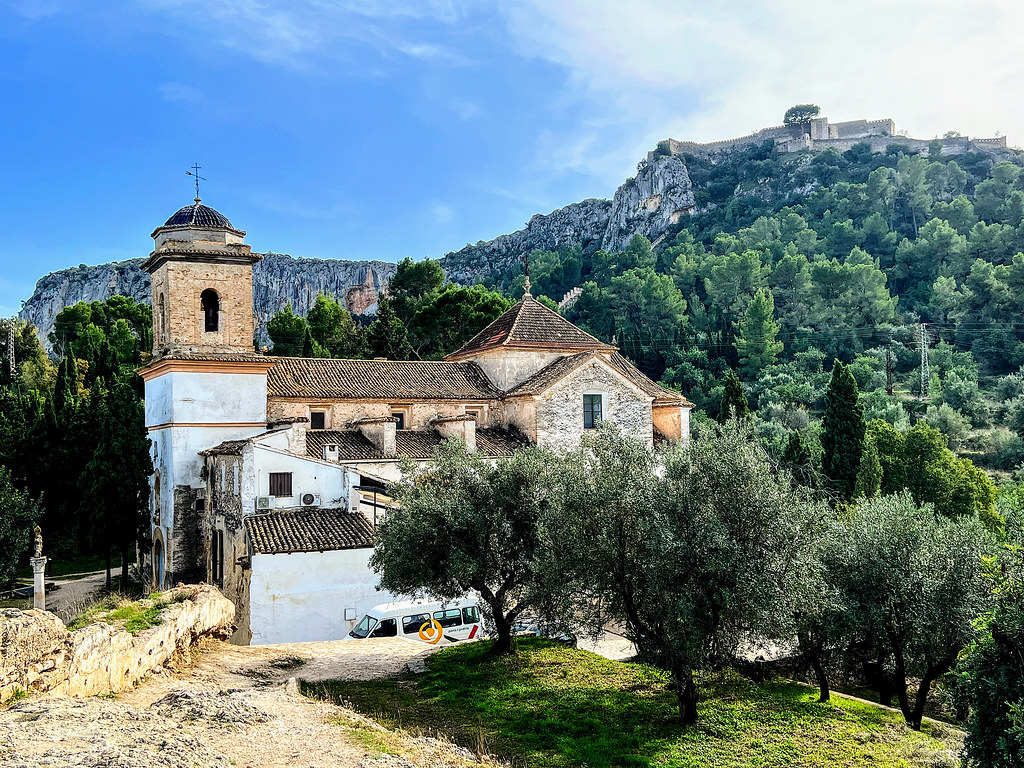
The Castell dels Aguiló can only be seen from the outside. It stands within private property, so the usual approach is to take in the distant view and move on. That distance becomes part of the experience rather than a limitation.
Another point of interest is the so-called pou morisc, a well carved into the rock. It is believed to have medieval origins and is said to descend more than twenty metres. Looking down through the protective grille brings a steady kind of vertigo. It also prompts a simple question about the effort involved in digging something like that centuries ago, with tools and patience very different from today’s.
The uphill route to Molí de Vent
A walk up the Camí del Calvari leads towards the Molí de Vent. The route is not especially long, around three kilometres, but it makes itself felt. Anyone used to long hours at a desk will notice the climb quickly.
The path begins near the ermita and passes through pine trees. The smell of resin mixes with dry earth, a scent typical of Mediterranean scrubland. The incline is steady throughout. There are no extreme sections, yet there is little chance to relax either. In places, the path forms uneven steps, suggesting how people once used it regularly, whether heading to religious services or moving between fields.
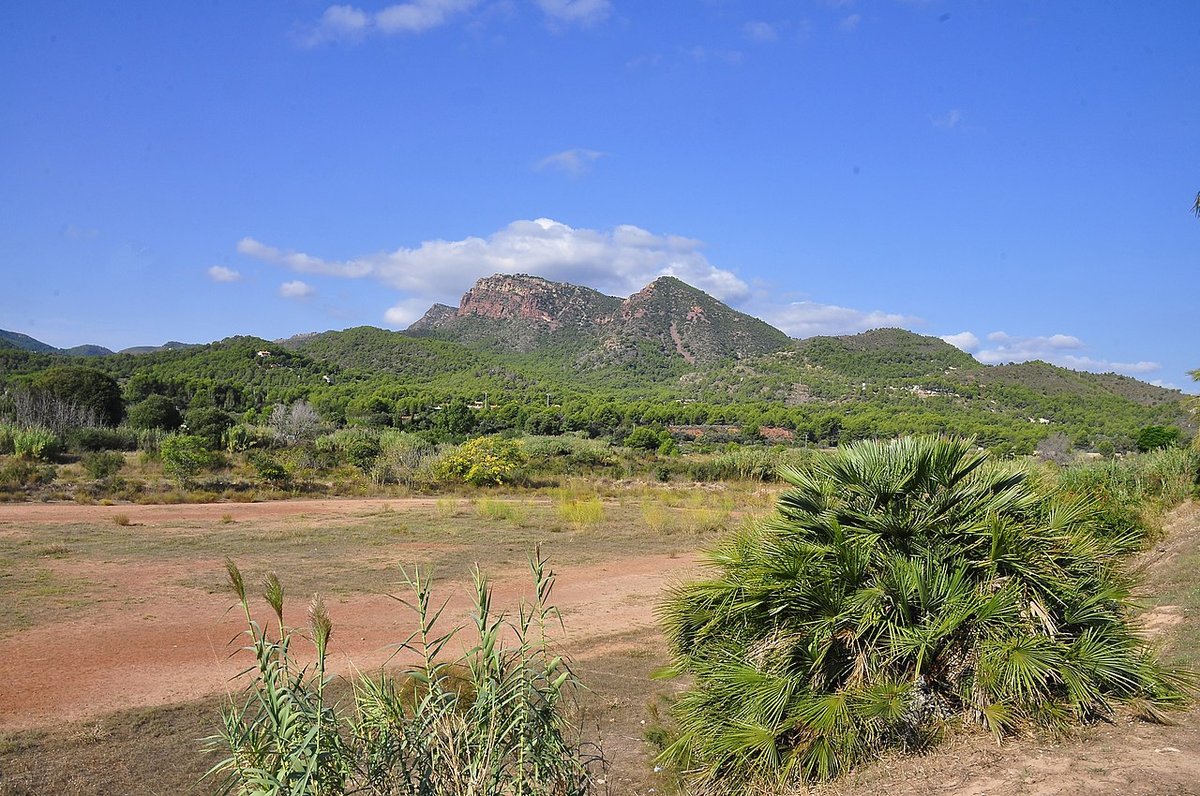
At the top, the remains of the windmill come into view. The structure is partly in ruins, though enough survives to imagine how it once functioned. From this point, the landscape opens out across the Camp de Morvedre. Below lie cultivated plots, straight paths cutting between orange groves, and a sense of agricultural order that contrasts with the irregular climb that leads here.
It is the sort of place where stopping feels natural. The effort of the ascent, modest as it may be, changes the way everything is perceived once you sit down and look out.
Food, timing and local traditions
Food in Quart de les Valls follows its own rhythm. The coca de molló, often mentioned in connection with local cooking, is not always available. It tends to appear during festive periods rather than as an everyday option.
In quieter moments, a simple meal does the job. Conversations can stretch easily, and they often drift towards local ingredients and customs. One that comes up is the garrofó, a large white bean cultivated in the area for centuries and commonly used in Valencian paella. Its presence here goes back far enough to appear in old records, where even carob trees were counted for taxation purposes. The idea feels familiar: systems of levies and inventories have long been part of rural life.
There is also mention of a fair dedicated to the garrofó, usually held in summer. Another tradition involves a night-time walk up the Calvari with lanterns. These details hint at a calendar shaped by community habits rather than visitor expectations. Over time, small changes have crept in. Lanterns have sometimes been replaced by mobile phone lights, but the route itself remains the same.
A place without a checklist
Quart de les Valls does not fit neatly into an itinerary built around ticking off sights. There is no single landmark that defines the visit. Instead, the interest lies in how small elements are spread across the village.
A fountain with running water, a worn façade, a quiet square, the outline of a castle that cannot be entered. Each detail carries its own weight, even if none claims attention on its own. Walking without urgency suits the place better than trying to cover everything.
The appeal is gradual. It builds through observation rather than spectacle, through pauses rather than highlights. Time passes differently here, measured less by activities and more by small moments that do not announce themselves.
Quart de les Valls offers that kind of experience: a detour that was not planned, yet leaves a clear impression once it is over.