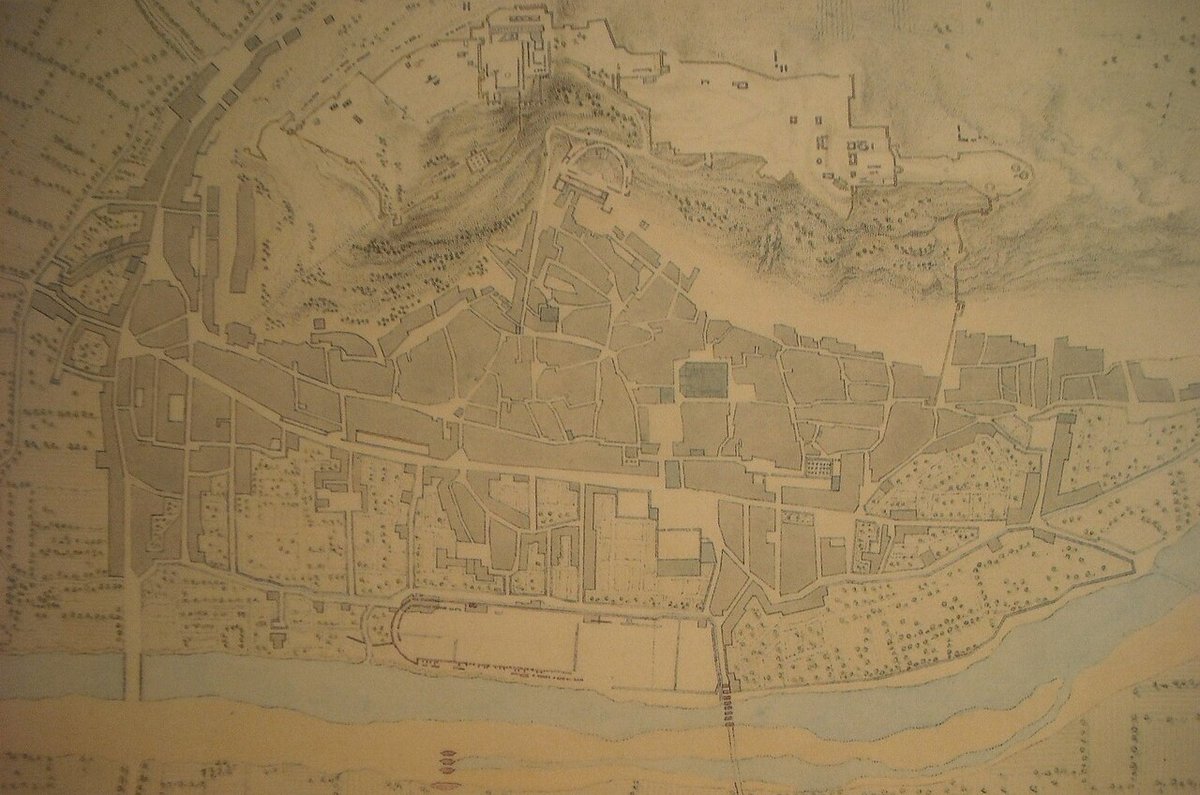
Sagunto, Sagunt (Valencia, València) -España- Ciudad; de 1809.JPG
Alexandre de Laborde · Public domain
Comunidad Valenciana · Mediterranean Light

Sagunto/Sagunt

The train from Valencia pulls in at 10:47, and suddenly the city feels fifty kilometres away, not twenty-five. Sagunto's station sits among orange ...

73,031 inhabitants · INE 2025
49m Altitude
Coast Mediterráneo

Why Visit

Coast & beaches Roman Theater Visit the Roman Theatre and Castle

Best Time to Visit

year-round

Fallas (March) verano

Things to See & Do
in Sagunto/Sagunt

Heritage

  • Roman Theater
  • Sagunto Castle
  • Port of Sagunto (Blast Furnace)

Activities

  • Visit the Roman Theatre and Castle
  • Puerto de Sagunto Beach

Festivals
& & Traditions

Fecha verano

Fallas (marzo), Fiestas Patronales (julio/septiembre)

Las fiestas locales son el momento perfecto para vivir la autenticidad de Sagunto/Sagunt.

Full Article
about Sagunto/Sagunt

Historic city with a Roman theater and castle, plus an industrial and tourist port.

Ocultar artículo Leer artículo completo

The train from Valencia pulls in at 10:47, and suddenly the city feels fifty kilometres away, not twenty-five. Sagunto's station sits among orange groves and low-rise warehouses; no tour buses, no multilingual touts, just a single taxi waiting in the heat. Ten minutes' walk later, the streets narrow to medieval width and the pavement turns to rounded cobbles that have survived two thousand years of cartwheels, civil wars and British trainers.

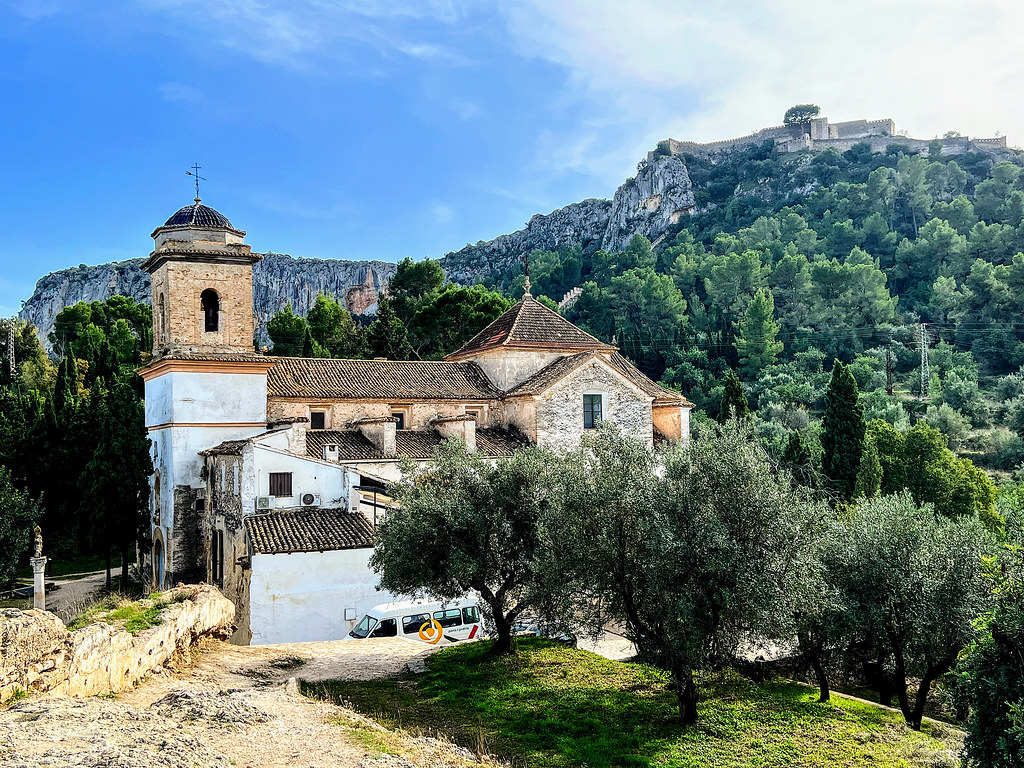
Above everything, the castle ridge runs for almost a kilometre, a broken sandstone spine dotted with watchtowers, ivy-clad walls and, on the highest crest, a lone Palestinian flag placed by some thoughtful historian to remind visitors that this place has always been fought over. The climb starts gently enough beside the Roman theatre, but the gradient soon bites. Locals use the walled switchbacks as a free gym; pensioners overtake sweating day-trippers with the smug efficiency of people who know exactly how many steps there are to the next bend (127, since you ask).

Entry is free, which feels almost reckless. You can scramble through Iberian masonry, peer down Moorish cisterns, then picnic on a Visigothic slab while scanning the coastal plain for invaders who never quite managed to stay. The 360-degree view explains everything: to the east, the Mediterranean glints like polished pewter; westward, irrigation channels divide the huerta into chess-board squares of oranges and artichokes; directly below, the modern port's steelworks throws up a thin grey plume that keeps the place honest—this is still a working town, not a mausoleum.

Back at sea level, the Roman theatre keeps its columns for summer. From July to August the stone benches fill with Valencian families who bring cushions, cold melons and grandmothers who remember when the orchestra pit was simply called "the hole". Tickets for the festival run €15–25 and sell out quickly online; turn up at 21:30 without a reservation and you'll be watching from the car park wall with the students. The acoustics remain so precise you can hear a dropped coin on stage from row 28, a fact ushers demonstrate with theatrical relish before every performance.

Between castle and coast spreads the old centre, a grid of alleys barely two metres wide where washing lines zig-zag overhead like bunting. The Jewish quarter is signposted but ungentrified: one interpretive panel, a locked synagogue door, and then silence. Look down and brass plaques set into the pavement list the medieval house-owners—Abenamías, Cohen, Levi—whose descendants were politely encouraged to convert or leave in 1492. It is history without gift-shop redemption, and more powerful for it.

Hungry wanderers eventually drift toward the Rambla, a modest pedestrian strip that functions as outdoor living-room. Menu-del-día boards advertise three courses, bread and half a bottle of wine for €12–15; standards are grilled hake, meatballs in almond sauce, and the local take on paella which substitutes locally-grown artichokes for green beans. Portions are calibrated for steel-workers, not Instagram influencers—order the half-ration if you want to stand up again. For lighter grazing, the horchatería on Plaza Mayor still hand-whips tiger-nut milk into the cloudy, faintly nutty drink that Valencians swear lowers blood pressure and raises conversation.

The port lies five kilometres east and feels like a different municipality altogether. Wide boulevards, breeze-block flats and a marina where yachts bob beside a red-sand beach that stretches for three kilometres. The sand is fine enough for castles, but the backdrop of cranes and blast furnaces divides opinion: some visitors photograph it as "authentic Spain", others pack up and drive to neighbouring Canet for a prettier horizon. On weekdays you can have 200 metres of shoreline to yourself; arrive Saturday afternoon and every family within driving distance has claimed a patch, complete with gazebo, portable paella burner and reggaeton at conversation-defeating volume. Bring change for the €1.50 shower token and expect to queue.

Sagunto works best as a slow-motion day. Morning light suits the castle: temperatures stay below 26 °C until 11:00, stone glows honey-gold and the only soundtrack is cicadas and the occasional clang from the port. By 13:30 the sun is punitive; retreat to the archaeological museum (free, air-conditioned, merciful toilets) where a mosaic of Bellerophon riding Pegasus has survived sixteen centuries of amateur iconoclasm. Re-emerge at 17:00 for coffee on the Rambla, then catch the local bus to the port for a swim before the evening wind chops the sea into brown rollers. The last train to Valencia leaves at 22:18; miss it and you'll need the 23:55 rail-replacement coach, an experience that convinces most stragglers to find a €45 room above a bar instead.

Practicalities are straightforward but worth spelling out. Trains run twice an hour from Valencia Nord, take 35 minutes and cost €4.20 return—half the price of a city-centre cocktail. The station-to-castle walk is flat, but once inside the fortress paths turn to uneven bedrock; trainers are fine, flip-flops suicidal. Water fountains exist only at the Roman-theatre level, so fill up before the climb. Guided walks in English can be arranged through the tourist office beside the theatre; Celia, the recommended freelance guide, charges €90 for a two-hour narrative that covers everything from Iberian pregnancy rituals to why the railway arrived fifty years later than everywhere else.

Come March, the town swaps archaeology for gunpowder during its neighbourhood Fallas: satirical papier-mâché effigies fill plazas, then burn on midnight of the 19th to the delight of pyromaniac children. September's patronal fiestas are louder still, with processions hauling the Virgin down from her hilltop chapel while locals pelt her with carnations—apparently a sign of affection, not botanical assault. Both festivals double hotel prices and halve parking spaces; book early or time your visit for the gentler margins of spring when almond blossom foams over castle terraces and the smell of orange-blossom drifts across the plain.

Sagunto will not change your life. It offers no rooftop infinity pool, no Michelin star, no souvenir made in China that you absolutely cannot leave Spain without. What it does provide is the rare sensation of walking through twenty centuries without a turnstile, of sharing space with people whose grandparents' grandparents watched the same sun slide behind the same battlements. Board the evening train and the carriage smells of salt, oranges and slightly sunburnt history—memories the guidebooks haven't yet learned to charge for.

Key Facts

Region
Comunidad Valenciana
District
Camp de Morvedre
INE Code
46220
Coast
Yes
Mountain
No
Season
year-round

Livability & Services

Key data for living or remote work

2024
ConnectivityFiber + 5G
TransportTrain station
HealthcareHealth center
EducationElementary school
Housing~6€/m² rent · Affordable
CoastBeach nearby
Sources: INE, CNMC, Ministry of Health, AEMET

Official Data

Institutional records and open data (when available).

  • Teatro Romano
    bic Monumento ~0.3 km
  • Iglesia Parroquial de la Natividad de Nuestra Señora
    bic Monumento ~0.1 km
  • Museo Arqueológico del Teatro Romano
    bic Fondo de museo (primera) ~0.1 km
  • Iglesia Parroquial de El Salvador
    bic Monumento ~0.6 km
  • La Villa de Sagunto, zona antigua
    bic Conjunto histórico ~0.1 km
  • Castillo
    bic Monumento ~0.4 km
Ver más (5)
  • Alquería Fortificada del Agua Fresca
    bic Monumento
  • Torre de San Roque
    bic Monumento
  • Molino Fortificado Torre Gausa
    bic Monumento
  • Templo de Diana. Restos Megalíticos de la calle Sagrario
    bic Zona arqueológica
  • Casa del Duque de Gaeta
    bic

Planning Your Visit?

Discover more villages in the Camp de Morvedre.

View full region →

More villages in Camp de Morvedre

Traveler Reviews