Full Article
about Segart
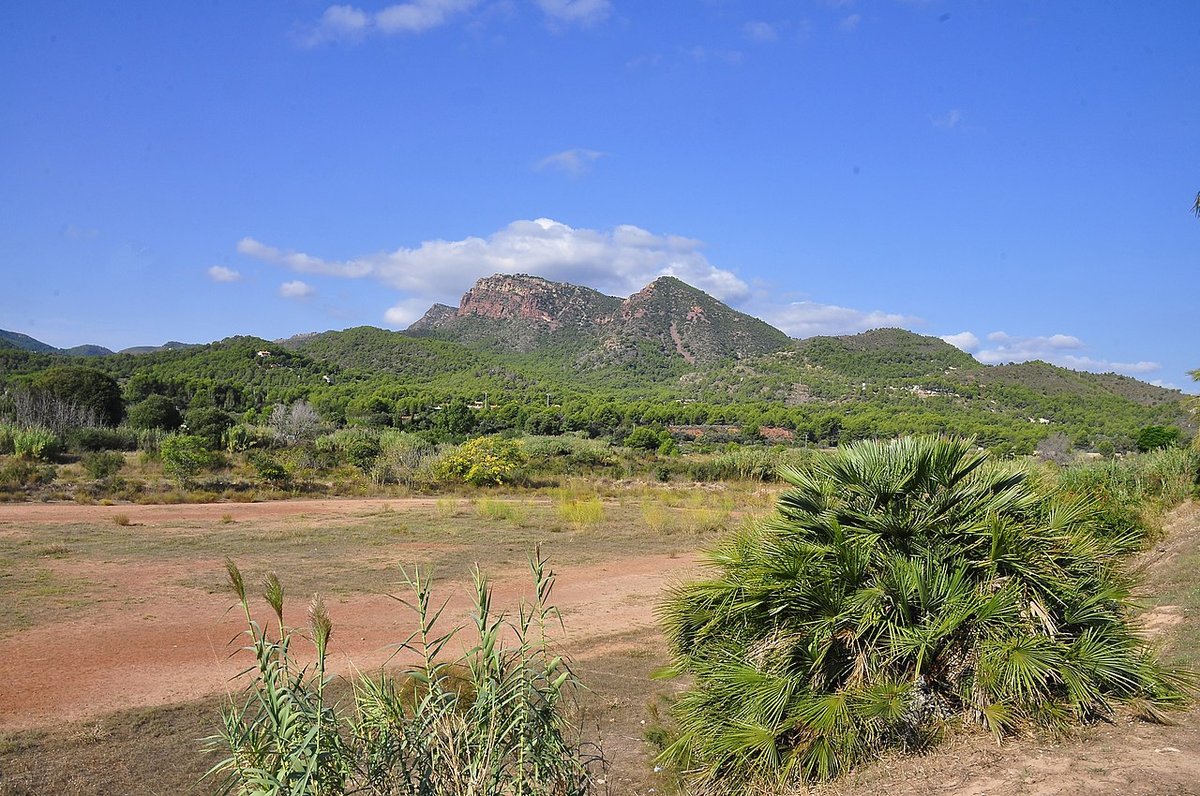
Picturesque village in the Sierra Calderona, ideal for climbing Garbí.
Ocultar artículo Leer artículo completo
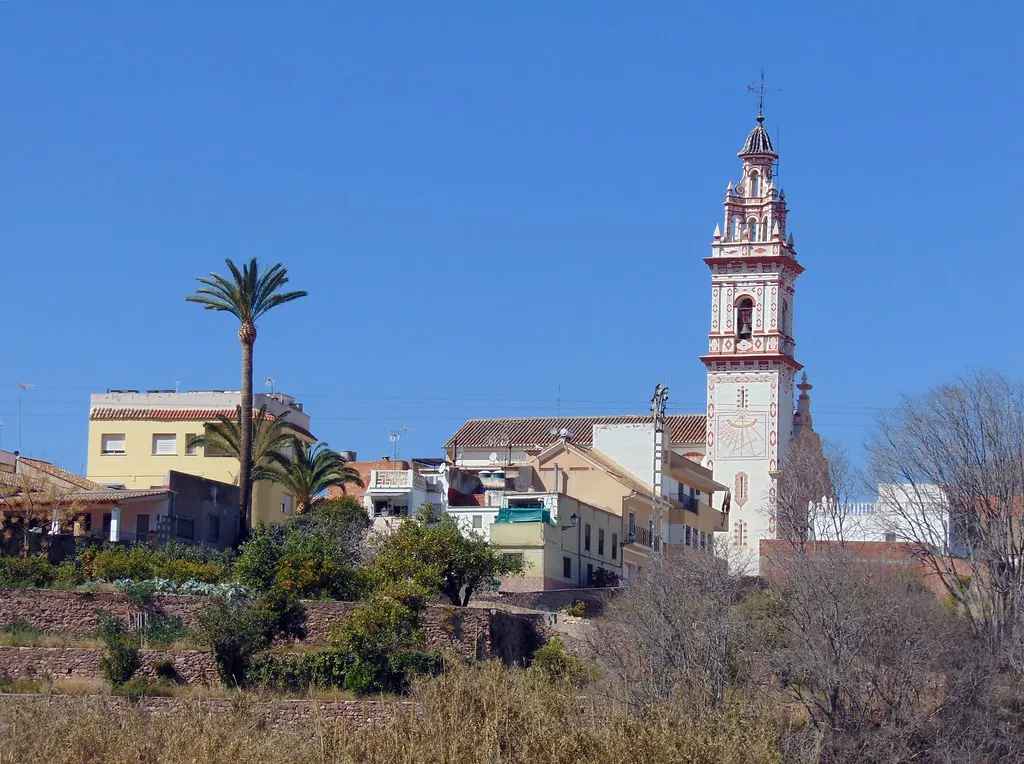
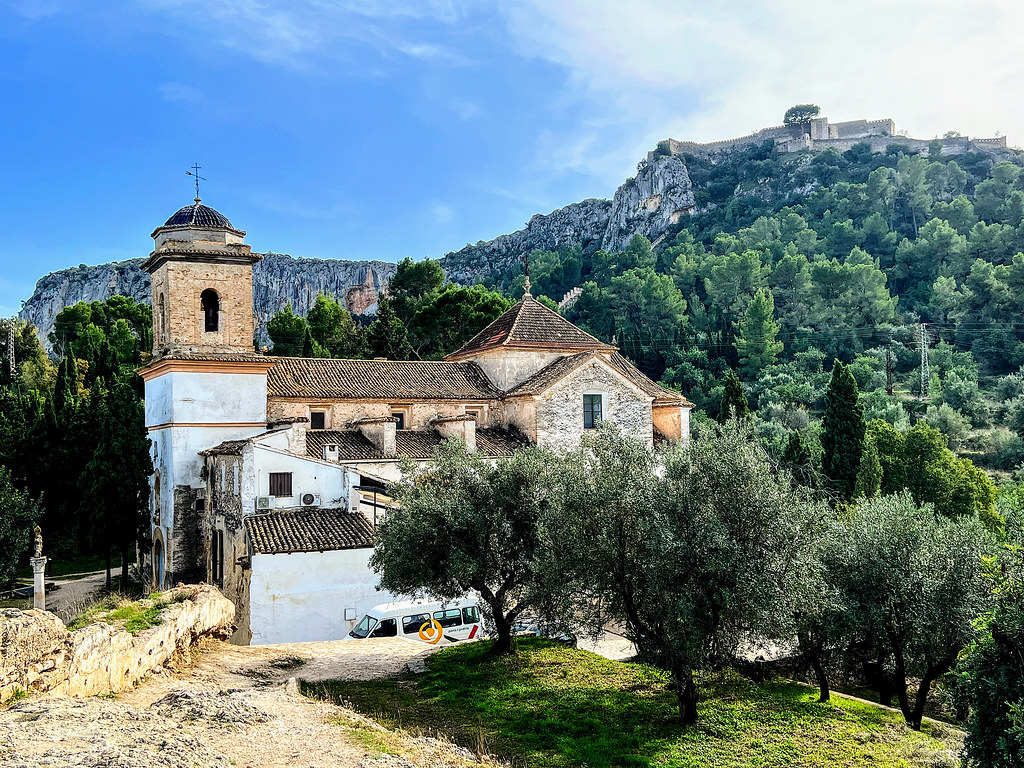
The church bell strikes noon, and through the single-barrelled tower of San Miguel Arcángel, the sound carries across almond terraces that drop away towards the Mediterranean, thirty kilometres distant. From Segart's 256-metre ridge, you can see the coast on a clear day—Sagunto's castle, the chemical works, the shimmer of sea—while standing in absolute silence, broken only by bee-eaters overhead and the occasional clatter of a farmer's tractor.
This is mountain Valencia, not the version sold in brochures. The village counts barely 160 souls, enough to keep the bar open but not enough to fill two tables at midday. Houses are built from the same honey-coloured stone that lies scattered through the surrounding pines, and the streets are narrow enough that neighbours can pass a newspaper across the gap without leaving their doorways. At first glance it looks medieval; in reality most dwellings were rebuilt after the 1837 earthquake that shook the whole Camp de Morvedre region. The rebuilders kept the old layouts, the stone sinks, the external staircases that once gave access to haylofts—practical touches that now photograph well but began as necessity.
Walking is what brings people here. A signpost at the upper edge of the village points to three routes: a 45-minute loop through rosemary and kermes oak; a two-hour climb to the ruined Moorish watch-tower of El Pui; and the long-distance GR-10 which links Segart to the neighbouring hamlets of Gátova and Marines over a roller-coaster of limestone ridges. None are graded; Spanish trail markings assume you can read the landscape. After rain the clay sections turn slick as soap, and in July the same paths radiate heat like pizza ovens. Spring and autumn are the sensible seasons, when wild asparagus pushes through the terraces and the scent of thyme drifts uphill on the breeze.
The agricultural calendar still governs daily life. Almond blossom turns the hills white during February, then comes the pruning of olives, the grafting of carob, the slow wait for rain that may or may not arrive. Small tractors towing metal trailers rumble out at dawn, returning for a late breakfast of coffee laced with brandy and thick slices of village-baked bread rubbed with tomato. Visitors who expect artisan markets and tasting menus will be disappointed; Segart's economy runs on almonds sold to cooperatives and olives pressed in nearby Soneja. You buy oil by taking a five-litre plastic container to the cooperative door on Tuesday afternoons—cash only, €4.20 a litre, unfiltered and bright green.
What the village does offer is space to breathe. The air at this altitude carries pine resin and distant salt, a combination that feels cleaner than it probably is. Birders arrive with telescopes in April and September, when honey-buzzards and short-toed eagles ride the thermals along the coastal mountains. Photographers come earlier, hoping for the moment sunrise ignites the east-facing cliffs and the whole ridge glows amber. Both groups tend to stay in Villa Gladys, the only holiday rental with reliable Wi-Fi and a pool that overlooks the valley. Booking is direct through the owner, Gladys herself, who answers emails in Spanish, Valencian or perfectly serviceable English learned during twenty years working in Wolverhampton.
Evenings centre on the Bar Central, open from 7 a.m. until the last customer leaves, sometimes midnight, sometimes earlier if trade is slow. Coffee costs €1.20, a caña of lager €1.50, and the tapas list runs to anchovies, crisps, and on Thursdays, home-made croquettes flavoured with blood sausage. There is no written menu; you ask what there is. If you want dinner you need to order by 4 p.m.—the cook shops in Sagunto and won't make an extra trip. The television shows Valencia CF matches on mute, and conversation stops only when someone needs to top up the generator-fed slot machine that stands in the corner like a relic from another century.
Fiestas punctuate the quiet. San Antonio Abad in January means a wood-fired barbecue in the square, free sausages for anyone who helps stack the branches. Late September brings the feast of San Miguel: a mass, a procession, a paella for eighty cooked outdoors in a pan wide enough to need its own scaffolding. Visitors are welcome to join the queue, but you will be asked to contribute €5 towards the rice and to wash your own plate afterwards. Fireworks are modest—this is not Castell's thunderous mascletà—and finish by 11 p.m. so the farmer next door can milk his goats.
Getting here requires accepting that the last half-hour will be spent on the CV-25, a road that coils like a dropped rope through pine plantations and sudden limestone outcrops. A handful of coaches make the journey from Valencia each weekday, leaving the city at 2 p.m. and returning at 6 a.m. the following morning, timings that suit almost nobody. Car hire remains the practical option; the drive from Manises airport takes 55 minutes if you ignore the sat-nav's attempt to send you down a goat track near Marines. Petrol stations are scarce once you leave the A-23—fill up in Sagunto before the final climb.
Winter brings its own rewards and hazards. Night frosts silver the car windscreen and the village water tank occasionally freezes, cutting supply until the sun clears the ridge. Snow is rare but not unknown; when it arrives the access road is gritted within an hour by the same farmer who drives the school bus. Summer, by contrast, is fierce. Temperatures can touch 38 °C in August, and the only shaded square sits on the wrong side of the church for evening drinks. Many locals simply close their shutters and sleep through the afternoon, reopening doors at dusk when the mountains turn violet and swifts scream overhead.
There is no souvenir shop, no interpretive centre, no guided tasting of artisanal gin. What Segart provides is simpler: a ridge-top perch where you can walk until your legs ache, eat what the land produces, and remember how Europe sounded before the machines took over. Bring boots, bring binoculars, and bring exact change for the oil cooperative. Leave before Instagram does its destructive work, and the village discovers it was "hidden" all along.