Full Article
about Bétera
Known for the Alfàbregues festival and its Arab castle at the foot of the Calderona.
Ocultar artículo Leer artículo completo
The 07:43 metro from Àngel Guimerà is still half-empty when it slips out of Valencia’s underbelly, but by the time the carriages surface at Empalme every seat is taken. Thirty-five minutes later the train sighs into Bétera, the last stop on line 1, and the working day reverses: briefcases head for the exit, the platform empties, and the town exhales. What remains is a place that feels neither suburban nor rural—simply convenient, quietly Spanish, and stubbornly un-showy.
At roughly 120 m above sea level, Bétera sits on a pancake-flat plain stitched together by irrigation ditches that pre-date the railway by five centuries. Orange groves still lap at the edges of new housing estates, and the view from the modest bell-tower of the Iglesia de la Purísima Concepción is a patchwork of tiled roofs, greenhouses and the distant haze of the Calderona mountains. The church itself is neoclassical, all sober stone and single nave; if the doors are unlocked (mornings only, except when they’re not) the interior yields baroque side altars and a gilded communion rail that glints even under overcast skies. Stand long enough and you’ll overhear the sacristan negotiating flower prices for next week’s saint’s day—business conducted in rapid Valencian with the occasional English word thrown in for colour.
Opposite, the Palacio del Marqués de Bétera keeps its gates shut. The eighteenth-century façade is handsome but not grand, more country house than aristocratic pile, and today it hosts private offices rather than guided tours. Still, the stone escutcheon above the door gives away the story: this was a town whose wealth arrived on the back of irrigated vegetables, not sea trade. Walk one block south and the Convento de las Monjas Agustinas repeats the theme—bricked-up serenity on the outside, cloistered calm within. Ring the bell during visiting hours (first Saturday of the month, or whenever the nuns feel like it) and a tiny hatch opens; a whispered “¿Un momento, por favor?” usually precedes admission and a short, donation-only circuit of the chapel.
Beyond the historic kernel the grid relaxes into low villas and blossom-lined avenues. British residents—about eight per cent of the 26,000 population—tend to cluster near the large municipal park where the Saturday rastro unfolds. Stalls open at nine sharp: locals flogging geraniums, retired mechanics clearing sheds of imperial spanners, and one enterprising woman who sells homemade marmalade labelled in biro. There’s none of the Costa bric-a-brac; instead you get the pleasant sensation of gate-crashing someone else’s weekly routine. Bring cash—fivers are welcomed—and a tote bag because plastic is firmly off trend.
Tracks, trails and the tyranny of midday
Flat terrain makes Bétera an easy base for cycling, but temper expectations. The acequia de Tormos path starts promisingly under a canopy of eucalyptus, yet within two kilometres you’re skirting a brick factory and a new development called “Lo Romero” where the soundtrack is tile-cutters rather than nightingales. Better to head north-east on the CV-310, turn left at the petrol station, and follow the signed loop towards La Pobla de Vallbona. In spring the verges are neon-green with alfalfa and the air smells of orange blossom; by late June the same fields have been shaved to stubble and the only shade is a roadside bar selling cans of horchata for €1.50. Take two bottles—temperatures nudge 35 °C by eleven o’clock and the breeze offers more grit than relief.
If legs prefer walking, stay inside the irrigation grid. A ninety-minute circuit leaves from the church plaza, ducks under the CV-35 via a graffiti-lined tunnel, and emerges between rows of kaki trees. The route is way-marked but sporadically; mobile coverage is excellent, so screenshot the town-hall map before you set off. Winter visitors get the reverse deal: skies the colour of pewter, soils ploughed into dark ribbons, and the distant thud of shotguns as hunters work the stubble. Frost is rare, but a stiff Levante wind can make 10 °C feel like three; pack a wind-proof, not just a jumper.
Food that doesn’t shout
Lunch starts late—half past two is normal—and most kitchens shut by four. In the absence of Michelin stars, quality lies in consistency rather than fireworks. Ca Jose Café on Carrer Alfabegues nails the middle ground: English-style breakfast until noon for the homesick, then proper Valencian stews once the morning coffee crowd thins. Their “arroz al horno” arrives in a glazed earthenware dish, the rice crusted with chickpeas, spare ribs and a hint of rosemary; ask for the half portion unless you’re cycling home. Vegetarians do better at La Volteta, where the goat-cheese salad comes with a drizzle of local honey and the waitstaff will happily explain every ingredient in English, Spanish or a cheerful mixture of both.
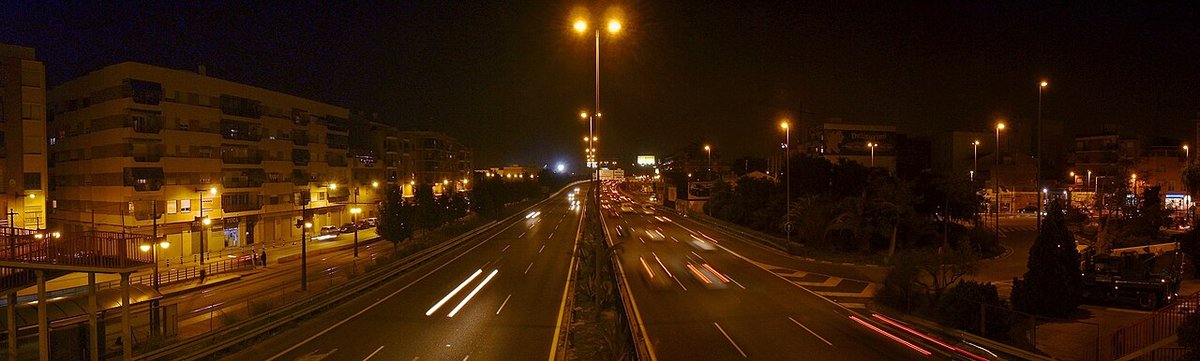
Evening options are thinner. Villa Fusio offers a €14 menú del día that changes weekly—think chicken crumble salad followed by Thai-style duck rolls—but it books up with local birthday parties. Turn up without a reservation and you’ll be offered a stool at the bar while the owner rings every cousin within a ten-kilometre radius to see who’s free. Alternatively, buy a baguette from Forn de L’Oliver, a wedge of La Mancha manchego at the Saturday market, and picnic on the bench outside the convent. Streetlights here are low-sodium amber; shadows stretch long across the stone, and the only soundtrack is the click of the pedestrian crossing and the distant pop of someone practising firecrackers for the next fiesta.
Firecrackers, fireworks and the February fog
Bétera’s calendar is noisy. Fallas in mid-March imports Valencia city’s decibel level but not its crowds: six monuments, two marching bands, and a nightly mascletà that you can watch from the supermarket car park without anyone blocking your view. Ear-plugs are advised; babies sleep through it, visiting Brits rarely do. June brings San Antonio with bonfires and free paella, August the patronal feria with foam parties that feel misplaced in a farming town, and September a medieval market that is ninety per cent plastic swords. If calm is paramount, come in late January. The fog rolls off the irrigated fields, wraps the bell-tower, and muffles even the dogs. You’ll have the acequia paths to yourself, the bakery’s fartons are fresh out of the oven, and the metro back to the airport runs on time with seats to spare.
Getting there, getting out
The C-5 cercanías train is the sane choice. Buy a reloadable TuiN card at the airport Metro station (€2 for the card), load fifteen euros, and the ride to Bétera costs €3.10 each way. Trains leave Valencia every fifteen minutes on weekdays, half-hourly on Sundays; the last service departs Àngel Guimerà at 23:20. Miss it and a taxi is a fixed €35—agree before you get in, and have cash because card machines are “broken” with suspicious regularity. Drivers with hire cars should take the AP-7 toll road, exit 315, then follow CV-35; the journey is twenty-five minutes unless Valencia’s ring road decides otherwise. Street parking is free and usually available within three blocks of the centre, but read the yellow lines—tow trucks operate fast and without sentiment.
Shops observe the classic siesta: 14:00-17:00 closure is almost universal except Mercadona by the station (09:00-21:30, Sunday express size). If you need a pharmacy after hours, scan the door for the rotating duty roster; most labels are bilingual. Wi-fi is decent in cafés, patchy on the rural tracks; download offline maps before you stride out. And pack layers—spring mornings can start at 8 °C and hit 24 °C by coffee time.
The honest verdict
Bétera will never make the front page of a glossy regional guide. Its historic core is crossed in twenty minutes, the palace is closed, and the huerta is shrinking year by year. Yet that is precisely why some visitors—especially repeat Spain hands—linger longer than planned. It offers a functioning Spanish small town with a seat on the metro, bread that costs under a euro, and a park where children play unsupervised while parents debate Brexit over cortados. Come for half a day on the way to somewhere else, stay for the market breakfast, walk the irrigation lanes until the heat wins, then retreat to Valencia’s beach with the same train ticket. You won’t collect blockbuster photos, but you will leave with the rare sense of having eavesdropped on everyday Mediterranean life—and that, for many, is worth the thirty-five-minute ride.