Full Article
about Gátova
In the heart of the Sierra Calderona, with windmills and natural springs
Hide article Read full article
A slow start in the hills
Early in the morning, when the sun still filters low through the pines of the Sierra Calderona, the streets of Gátova carry that particular hush of a village just waking up. A shutter lifts somewhere, a garage door opens, and the sound echoes softly off pale façades. Tourism in Gátova often begins like this: unhurried, with the sense of arriving somewhere that follows its own pace.
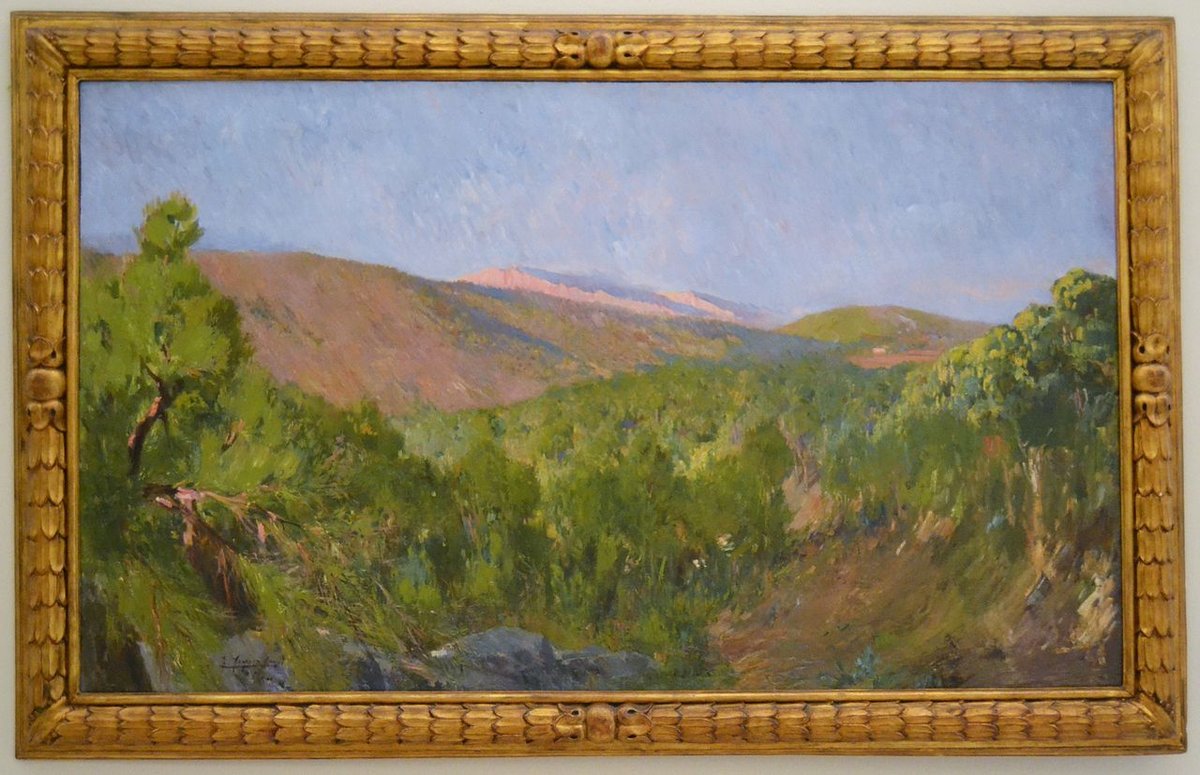
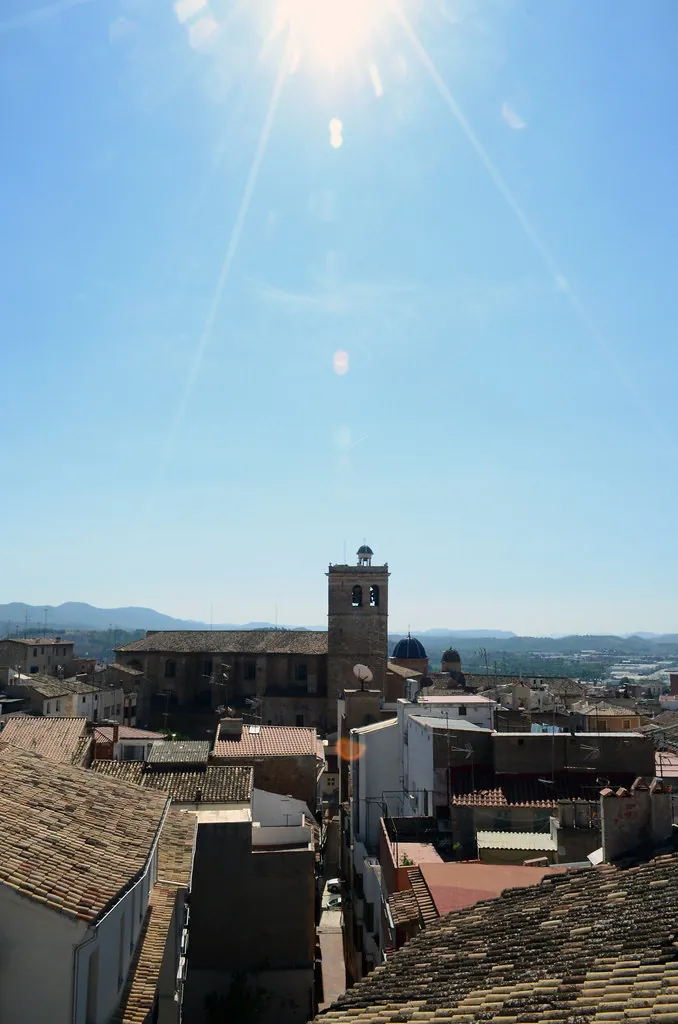
The village sits on the slopes of the Sierra de Oronet at around 560 metres above sea level, with just over four hundred residents throughout the year. Around it lie small vegetable plots, old terraced fields and scrubland scented with rosemary, kermes oak and pine. From certain points within the village, the land opens out towards the Valencian interior, a sequence of gentle hills that take on ochre and bluish tones as evening approaches.
Through the streets and fountains
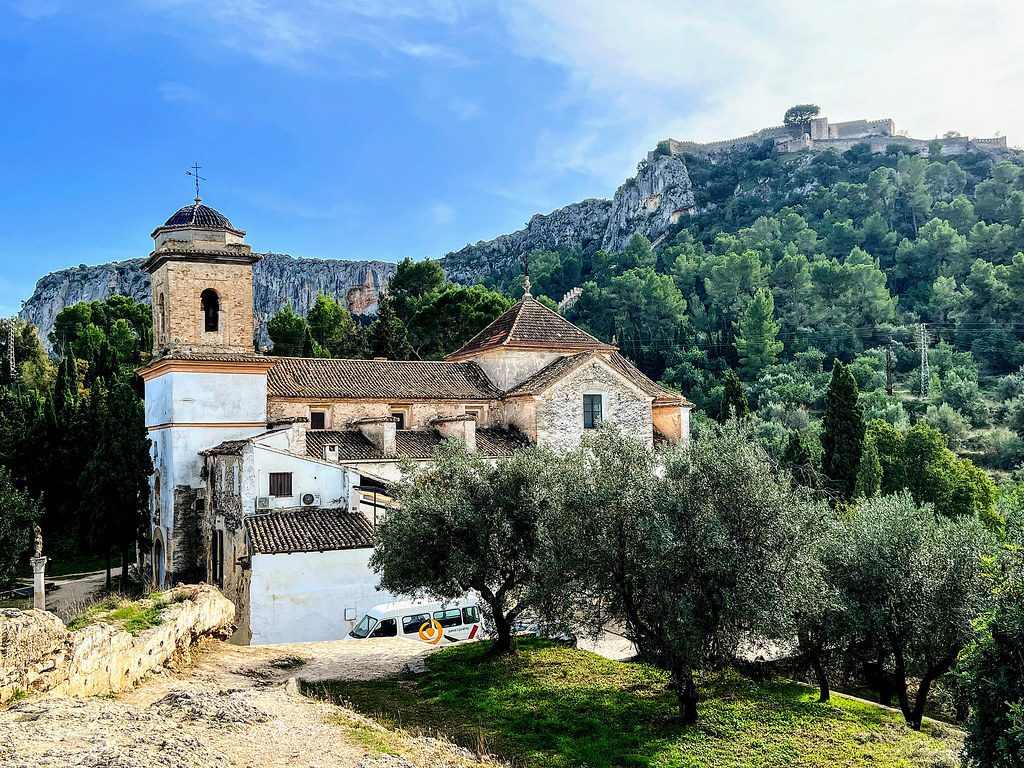
The parish church of the Purísima Concepción stands in one of the most visible spots in the village. It is not an imposing structure. Its light walls and simple lines blend into the surroundings, while the bell tower rises just enough above the rooftops. At certain times of day, the sound of the bells drifts down through the narrow streets and mixes with the murmur of nearby fountains.
The centre can be explored at an easy pace in a short time. Houses follow the slope of the mountain, so streets narrow or turn unexpectedly. Here and there, public fountains appear. Fuente Nueva is among the best known, and it is still common to see someone filling large water containers or pausing for a moment in the shade.
Step just beyond the edge of the village and the landscape shifts quickly. Forest tracks and footpaths begin to climb towards the Sierra Calderona. Some routes connect with other parts of the region and even with villages on the Castellón side of the range. Distances can be longer than they first appear from the village, so checking a map beforehand is sensible.
Walking the Sierra de Oronet
Gátova’s link to the surrounding mountains is direct and constant. Many visitors arrive drawn by the routes that cross the sierra, following paths through pine woods where the ground smells of warm resin in summer and damp earth after rain.
The first hours of the day are usually the most comfortable for walking. By midday, especially in summer, heat gathers between the slopes, and stretches of the forest tracks offer little shade. Carrying enough water is not a minor consideration here.
From higher ground, the softer outlines of the Calderona become clear. On days with good visibility, a distant line marks where the terrain begins to fall away towards the Valencian plain.
Traditions through the year
Festivities in honour of the Purísima Concepción, held at the beginning of December, remain one of the most important moments in the village calendar. These are days when relatives who live elsewhere return, and the atmosphere shifts noticeably.
August also brings celebrations that move daily life out into the streets. During this period there are open-air dances, community events and shared meals where traditional local dishes take centre stage.
Easter is marked in a quieter, more reflective way. Processions pass through the steep streets of the old centre at a measured pace, often surrounded by a sense of stillness.
Planning a visit
Gátova lies about 45 kilometres from Valencia. The final stretch involves mountain roads with bends, typical of this part of the Sierra Calderona, so the journey is best taken steadily.
Spring and autumn are usually the most pleasant times to visit. The hills are greener, and temperatures make it possible to walk for longer periods. Summer brings more activity to the village, though the middle of the day can feel intense if heading into the hills.
One practical point stands out. If walking is part of the plan, footwear with a good sole makes a difference. Many routes begin almost as soon as you leave the built-up area, and the ground alternates between loose stone and dirt tracks. The rhythm here tends to be simple: walk, pause to take in the view, and let the quiet of the sierra do the rest.
What defines Gátova
Gátova is not a place of large monuments or streets designed for aimless wandering. Its appeal lies in its relationship with the mountains and in a way of life that can still be sensed in the terraces, the fountains and the sound of wind moving through the pines. Expectations matter here. Those looking for something else may move on quickly. Those who stay a little longer often begin to understand it better.