Full Article
about La Pobla de Vallbona
Expanding municipality with residential areas and the Casa Blanca as its landmark building.
Hide article Read full article
Between Valencia and the Huerta
La Pobla de Vallbona sits a short distance from Valencia, on the flatlands of Camp de Túria, where the huerta still shapes the landscape. Even now, plots of citrus trees surround the town, crossed by agricultural tracks that link up with old irrigation channels. This relationship with cultivated land explains much of how the town has grown over time.
Early in the day there is still activity in the fields around the municipality. Today most people arrive by car via the CV‑35 or along paved rural roads. Not so long ago, the same journeys were made on foot from the town itself. Distances are not great, yet the separation between the built-up centre and the surrounding farmland helps make sense of how the place was historically organised.
A Medieval Grid That Still Shows
La Pobla began as a Christian foundation tied to the lordship of Benaguacil, part of the wider reorganisation of territory after the feudal conquest. Its earlier name, La Pobla de Benaguasil or similar variants found in documents, reflects that dependence. Like other Valencian “poblas”, it was laid out with a fairly regular street pattern.
That grid can still be read in the centre today. Streets around the main square follow straight alignments, with blocks of similar size. It is not a monumental layout, but it is easy to understand. A short walk through the surrounding streets reveals the repeated pattern of narrow, deep plots.
One of the corners of this historic core is occupied by the Casa Gran. Over time the building has served different purposes, traditionally linked to agriculture. It has been used as a storehouse, an oil mill or a winery. Its thick walls and large arched entrance reflect that practical role, allowing carts to pass through and produce to be stored.
Medieval Painting Inside Santiago Apóstol
The parish church of Santiago Apóstol is the main historic building in La Pobla de Vallbona. From the outside it appears restrained, shaped by alterations from different periods. The most interesting elements are found inside.
In the presbytery there are remains of Gothic wall paintings. They are dated to the late Middle Ages, probably the 14th or early 15th century. The scenes are religious, executed with a simple technique directly onto plaster. These are not elaborate works, yet they offer a glimpse into how Gothic styles reached smaller inland parishes in the Valencian region.
Along one side of the church there is also an old cistern that once collected rainwater from the roof. Storage systems like this were common in religious buildings and large houses when water supply depended largely on rainfall and nearby irrigation channels.
Dry Stone Shelters and Older Traces
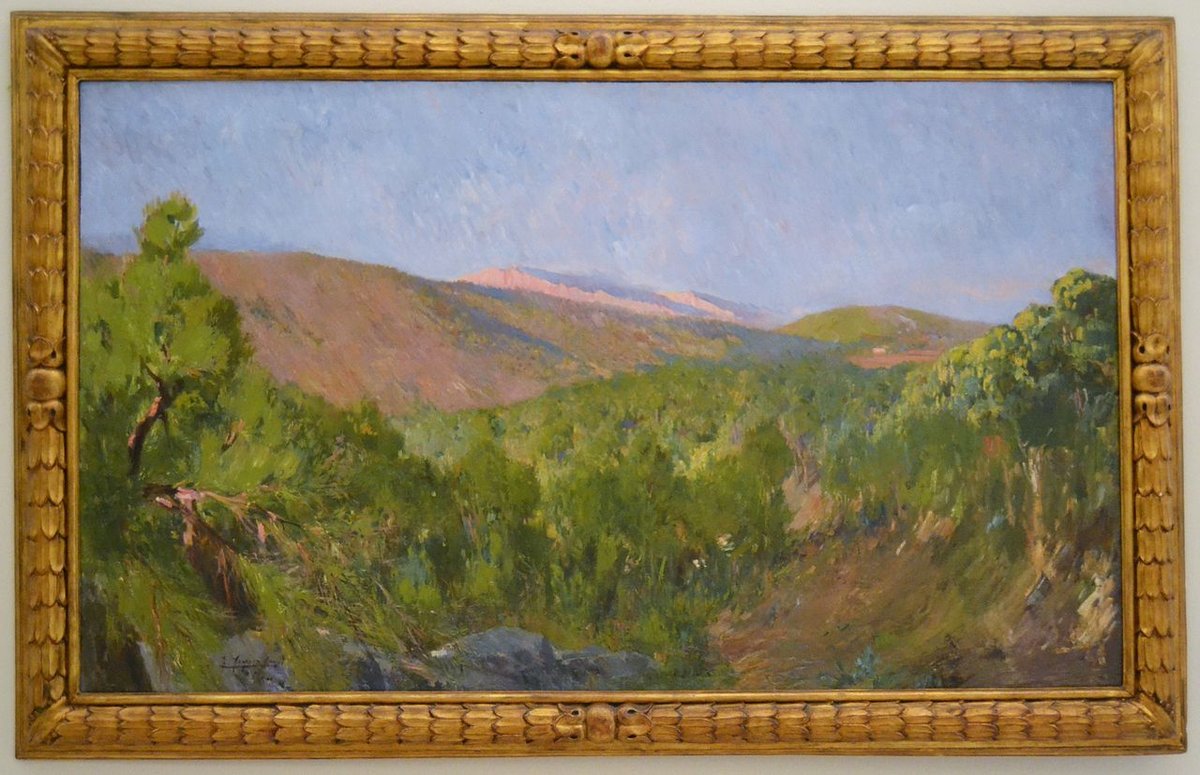
The landscape changes in the direction of Tos Pelat. The huerta gives way to low hills covered with pine and Mediterranean scrub. Along paths such as the Camino de la Manguilla, small dry stone constructions appear.
Locally these are known as catxirulos. They are very simple shelters built by shepherds or farmers. They have a small footprint, a low entrance and a roof made from carefully fitted stone slabs without mortar. This type of construction belongs to a widespread Mediterranean tradition that makes use of the stone found on the land itself.
In some parts of the municipality, older remains have also been recorded, linked to Iberian or Islamic periods of agricultural occupation. These are not always visible structures. In some cases only slight traces or small marked rises in the terrain indicate their presence.
Growth Around the Fields
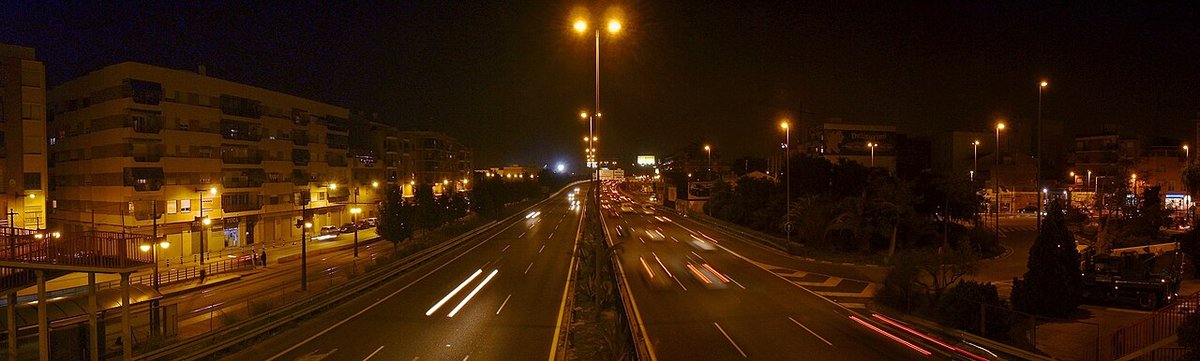
La Pobla de Vallbona has changed significantly in recent decades. Its proximity to Valencia and good connections have led to population growth and the development of new residential areas. Despite this, the agricultural edge remains clearly visible.
In many places, the last streets end directly at rural paths. Orange trees grow close to the houses. This continuity between town and farmland still shapes daily life, including what appears on the table.
Local cooking remains closely tied to nearby produce. Dishes such as arroz con bajoques y tomaca, a rice with green beans and tomato, are still prepared at home. So are tortilla de carabasseta, made with courgette, and cocas de verdura, flatbreads topped with vegetables. These are simple recipes found across much of inland Valencia.
Moving Around La Pobla
From Valencia, La Pobla de Vallbona can be reached quickly via the CV‑35. Once there, the urban centre is easy to explore on foot. The historic core is compact, making it straightforward to understand the structure of the original settlement.
Walking without hurry through the streets leading off the main square reveals older doorways, interior courtyards and façades with coats of arms or reused stone elements. These details appear gradually rather than all at once.
For those who want to leave the town centre, the area around Tos Pelat offers accessible paths. From higher ground there are open views across the plain of Camp de Túria and, on clear days, towards the edge of Valencia’s metropolitan area. Summer heat builds early, so it is best to set out early and carry water.