Vista aérea de Loriguilla
Instituto Geográfico Nacional · CC-BY 4.0 scne.es
Comunidad Valenciana · Mediterranean Light

Loriguilla

The morning air carries orange blossom down from the surrounding groves, wrapping Loriguilla in a perfume that costs a fortune in London department...

2,188 inhabitants · INE 2025
110m Altitude

Why Visit

Church of San Juan Bautista Local walks

Best Time to Visit

summer

San Juan Festival (June) Abril y Junio

Things to See & Do
in Loriguilla

Heritage

  • Church of San Juan Bautista

Activities

  • Local walks

Full Article
about Loriguilla

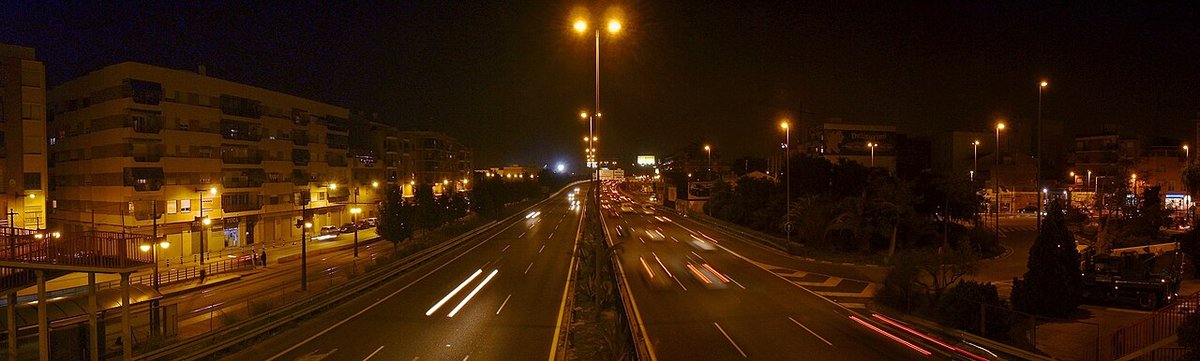
New town after relocation due to the reservoir near the A-3

Ocultar artículo Leer artículo completo

The morning air carries orange blossom down from the surrounding groves, wrapping Loriguilla in a perfume that costs a fortune in London department stores. At 110 metres above sea level, this modest agricultural settlement sits thirty kilometres northwest of Valencia city, where the Camp de Túria's flatlands begin their gentle rise toward the interior mountains. It's neither high enough for dramatic vistas nor low enough for coastal breezes, creating a microclimate that makes winter mornings sharper than expected and summer afternoons utterly relentless.

The Anatomy of a Working Village

Loriguilla's 2,100 residents have built their lives around citrus. The grid of streets spreads from the 18th-century church of San Miguel Arcángel, whose bell tower serves as a compass point across the sea of orange trees. Unlike Valencia's historic centre with its merchant palaces, this is agricultural architecture: thick-walled houses designed to keep heat out, with small windows facing away from the afternoon sun. Some retain their original stone facades, but most have been modified over generations, creating an architectural patchwork that tells the story of families adapting to changing times.

The weekly market occupies Plaza Mayor each Friday morning, though calling it a market might raise expectations. Half a dozen stalls sell basic provisions: local oranges at €1.50 per kilo, seasonal vegetables from nearby plots, and the occasional hardware vendor selling agricultural tools. It's refreshingly functional, existing for locals rather than Instagram opportunities. The nearest proper supermarket sits fifteen minutes away in Llíria, making these stalls vital for residents without transport.

Walking the streets reveals the village's split personality. Along Calle Major, traditional houses with wrought-iron balconies neighbour 1970s apartment blocks built when agricultural mechanisation reduced labour needs but increased prosperity. The effect isn't picturesque, but it's honest. This is how Spanish villages actually evolve, not the frozen-in-amber fantasy of tourist brochures.

Between the Rows

The real attraction lies beyond the last street, where dirt tracks disappear between regimented citrus rows. These aren't wilderness hikes; they're agricultural access roads used by farmers checking irrigation systems and workers harvesting fruit from November through May. The walking couldn't be simpler: flat, signposted routes ranging from thirty-minute loops to half-day circuits connecting Loriguilla with neighbouring villages. Spring brings the famous azahar bloom, when entire walks become perfumed tunnels, but autumn offers better temperatures and the sight of trees heavy with ripening fruit.

Summer presents challenges British walkers rarely consider. From June through September, temperatures regularly exceed 35°C by 11am, and shade exists only where irrigation channels run. Local farmers start work at dawn for good reason. Winter walks prove more comfortable, though January mornings can drop to 5°C – pack layers and don't trust Mediterranean weather stereotypes.

The acequias, Moorish irrigation channels still functioning after eight centuries, provide the most interesting walking routes. These water management systems create green corridors through the groves, supporting wildlife that surprises first-time visitors. Kingfishers hunt along the channels, while hoopoes patrol the rows for insects disturbed by irrigation. Early morning walkers might spot genets, small cat-like mammals that have adapted remarkably well to agricultural landscapes.

Eating Like You Live Here

Restaurant options remain limited to three establishments, all serving variations on traditional Valencian cooking at prices that make Londoners weep with joy. Casa Blanco, the most established, does a three-course menu del día for €12 including wine. Expect properly cooked rice dishes, hearty stews featuring local vegetables, and meat cooked until it surrenders. The orange tart, made with fruit from groves you walked through earlier, demonstrates why Spanish grandmothers never needed elaborate pudding recipes.

Bar Central opens at 6am for workers finishing night shifts and farmers starting early, creating a window into village rhythms most visitors miss. Coffee costs €1.20, served with the tacit understanding that you're welcome to linger over newspapers but not to conduct loud phone conversations. By 10am, the crowd shifts to retired men discussing agricultural prices and local politics with the intensity others reserve for football.

Self-catering visitors should visit the bakery on Calle San Roque, where €3 buys a loaf that makes British supermarket bread taste like cotton wool. The Saturday farmers' market in Llíria, ten minutes away by car, offers proper shopping opportunities: local cheeses, cured meats from mountain villages, and vegetables that taste like vegetables rather than refrigerated transport.

Timing Your Visit

Loriguilla's calendar revolves around agricultural cycles and religious festivals, not tourist convenience. Late September brings the fiestas patronales honouring San Miguel Arcángel, when the village quadruples in population as former residents return. Streets fill with temporary bars serving tapas, brass bands practice until midnight, and the church hosts processions that blend Catholic ritual with agricultural thanksgiving. Accommodation becomes impossible to find within a thirty-kilometre radius, but the atmosphere transforms the village completely.

Spring offers the most reliable weather for walking and photography, particularly late March through April when orange blossom coincides with comfortable temperatures. The village hosts occasional open days during floración, when farmers allow visitors into packing facilities and offer tastings of different citrus varieties. These aren't polished tourist experiences; they're working operations adapting traditional practices to modern markets.

November through February brings harvest season, when the village wakes to the sound of tractors loading fruit for Valencia's wholesale markets. Early risers can watch the grading process, where oranges are sorted by size and sugar content using both traditional methods and modern technology. The smell of citrus oil fills the air, and workers who've spent decades perfecting their technique move with balletic efficiency.

Getting There, Getting Around

Public transport connects Loriguilla with Valencia city via Llíria, though services reflect commuter patterns rather than tourist convenience. Buses run hourly during weekday mornings, with a significant gap between 2pm and 5pm when Spanish lunch breaks collide with reduced services. The journey takes fifty minutes and costs €2.40, passing through villages that each deserve half an hour's exploration if time allows.

Driving provides more flexibility, but Spanish driving habits require adjustment. The CV-35 from Valencia offers the fastest route, though satellite navigation sometimes suggests mountain roads that save five minutes but add grey hairs. Parking in Loriguilla presents no challenges; the village was designed when cars were science fiction, so spaces exist wherever you can fit without blocking agricultural access.

Cycling enthusiasts should note that while the terrain appears flat, prevailing winds create unexpected resistance. The route from Valencia follows dedicated cycle paths for twenty kilometres before requiring navigation of country lanes where tractors have right of way regardless of highway code technicalities. Rental bikes are available in Valencia city centre, but bringing your own allows for exploration of tracks where rental companies fear to tread.

Loriguilla doesn't transform visitors or reveal profound truths about Spanish culture. It simply continues being what it has always been: a place where people grow oranges, raise families, and maintain traditions that predate package tourism by several centuries. That continuity, increasingly rare in our accelerated age, might be the most remarkable thing about it.

Key Facts

Region
Comunidad Valenciana
District
Camp de Túria
INE Code
46148
Coast
No
Mountain
No
Season
summer

Livability & Services

Key data for living or remote work

2024
ConnectivityFiber + 5G
TransportTrain station
HealthcareHospital 10 km away
EducationElementary school
Housing~6€/m² rent · Affordable
CoastBeach nearby
Sources: INE, CNMC, Ministry of Health, AEMET

Official Data

Institutional records and open data (when available).

  • Torre de Telegrafía Óptica de Chiva
    bic Monumento ~5.8 km
  • Zona arqueológica Plà de Nadal
    bic Zona arqueológica ~3.2 km

Planning Your Visit?

Discover more villages in the Camp de Túria.

View full region →

More villages in Camp de Túria

Traveler Reviews