Full Article
about Marines
New and old village (in the mountains) with much of its land in the Calderona range.
Hide article Read full article
A Short Drive from Valencia, A Different Rhythm
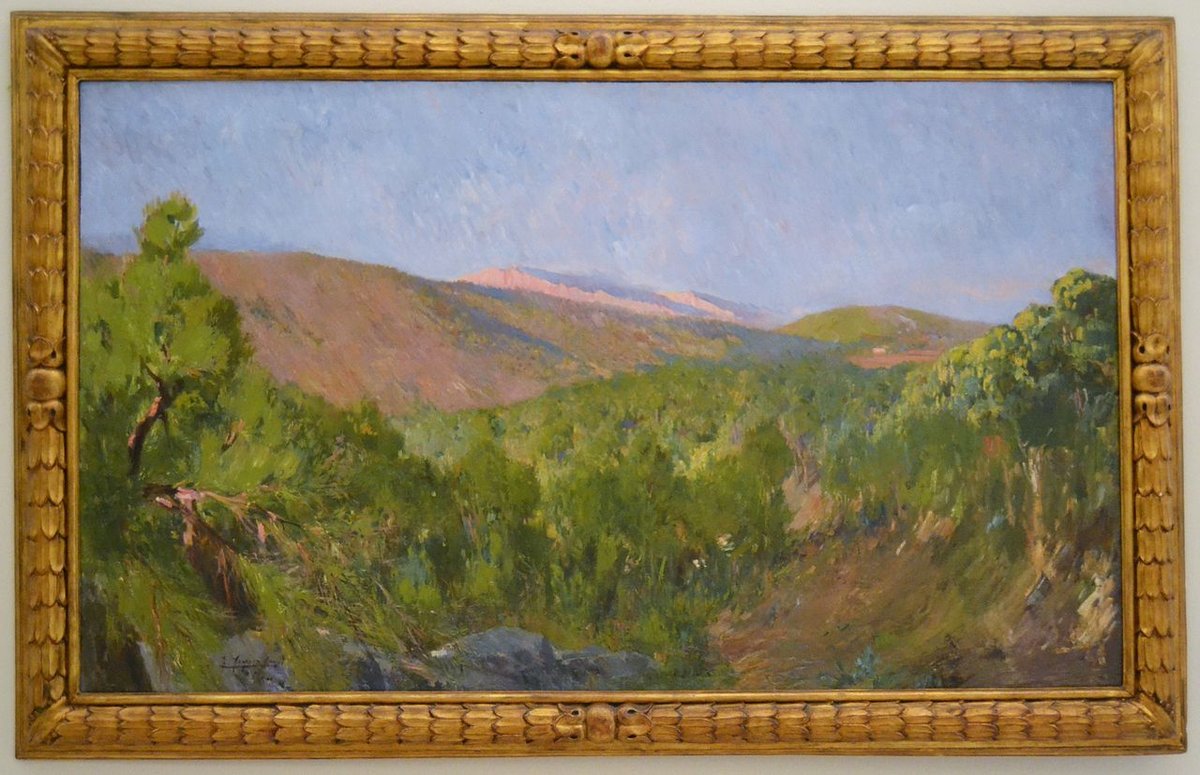
Some places shift your pace almost without warning. Tourism in Marines is very much about that change of gear. Leave Valencia behind and in less than an hour the scenery begins to alter. Asphalt gives way to scrubland, and the rolling slopes of the Sierra Calderona hover between green and dust for much of the year.
Entering the village, the feeling is straightforward: life moves differently here.
Marines is small and makes no attempt to be anything else. The urban centre can be crossed quickly, a handful of streets leading towards the main square. Many of the houses still echo a time when daily life revolved around the surrounding fields.
It is also worth knowing that today’s Marines is not exactly the original settlement. The old village, higher up in the mountains, was abandoned after flooding in the 1950s forced residents to relocate. Locals still refer to “Marines Viejo” in the sierra, often with the familiarity of a family home from another generation.
A Compact Centre with Everyday Life at Its Heart
The village revolves around its main square and the church of San Juan Bautista. The church tower is visible from several points on the approach by road. It is not a grand monument, yet it plays a central role when celebrations or community events take place.
Walking through the streets here is less about ticking off sights and more about noticing details. Large wooden doors, plain façades, and the sound of conversation drifting from an open window. This is the sort of place where neighbours still greet one another in passing, without any sense of hurry.
At certain times of day the square gathers a gentle buzz. Residents pause for a chat, children cycle through, older neighbours sit in the sun when the weather allows. None of it is staged for visitors. It is simply the daily rhythm of the village.
Where the Sierra Calderona Begins
One of Marines’ greatest assets is its proximity to open countryside. Step beyond the last houses and you are already within the Natural Park of the Sierra Calderona, a protected mountain range in the interior of the province of Valencia.
The landscape is typical of this part of inland Valencia: Aleppo pine, low Mediterranean scrub, and the scent of rosemary and thyme that rises when the heat intensifies or after light rain. Several tracks and forest paths lead into the sierra. Some are broad and manageable, others call for more determination on foot.
There are no raised walkways or carefully prepared viewing platforms. Views tend to appear suddenly, at a bend in the track or in a clearing where the terrain opens up. On a clear day, higher points offer wide perspectives across the Camp de Túria comarca, with the strip where Valencia and the sea begin visible in the distance.
On Foot, By Bike, Or Simply Taking Time
Many people use Marines as a starting point for exploring the Calderona. Paths leave directly from the village, connecting with ravines, forest tracks and neighbouring municipalities in the area.
Those who prefer a gentler pace will find shorter routes that fit comfortably into a morning without much strain. It is also possible to link paths together and spend far longer out in the hills, covering considerable distance through the sierra.
The secondary roads leading out of Marines have their own following. Cyclists head towards places such as Gátova or Olocau, drawn by generally light traffic and steady gradients that demand patience rather than bursts of speed.
Early risers may notice how different the mountain sounds at first light. Among the pines there is often a good deal of activity: coal tits, blue tits and the great spotted woodpecker tapping at trunks. The sierra has a distinct atmosphere before the day fully warms up.
Inland Valencian Cooking
Food in this area reflects what the land has traditionally provided. Expect hearty stews, dishes based on small game when the season allows, and mushrooms during the better months. Aromatic herbs are used generously.
During village festivities, homemade recipes still circulate from one generation to the next. These are straightforward dishes, prepared without ceremony yet filling enough to suit a day spent outdoors in the hills.
When the Village Comes Alive
At several points during the year, Marines becomes noticeably livelier. Celebrations dedicated to San Juan Bautista are among the main dates in the local calendar. Religious events combine with activity in the streets, drawing residents together around the church and square.
Summer brings its own atmosphere. There are evenings of open-air dances and gatherings in the square, particularly when people who live elsewhere return to the village for a few weeks. The population swells temporarily, and the tone shifts.
Spring often sees romerías, traditional pilgrimages or group outings into the countryside. These involve shared meals outdoors and long after-lunch conversations that stretch on unhurriedly.
This is not a calendar designed to attract tourism. The festivities exist because the community continues to live them.
A Base for the Sierra, A Pause in the Day
Marines is not a destination for grand monuments or an extensive checklist of attractions. Its appeal lies elsewhere. It works well as a base for walking in the Sierra Calderona, followed by a quiet spell back in the village.
The combination is simple. Time in the mountains, then a return to streets where daily life continues at its own steady pace. Marines offers space to move and space to slow down, both within easy reach of Valencia.