Full Article
about Náquera
Gateway to the Sierra Calderona and a traditional summer retreat
Ocultar artículo Leer artículo completo
First Impressions from the CV-35
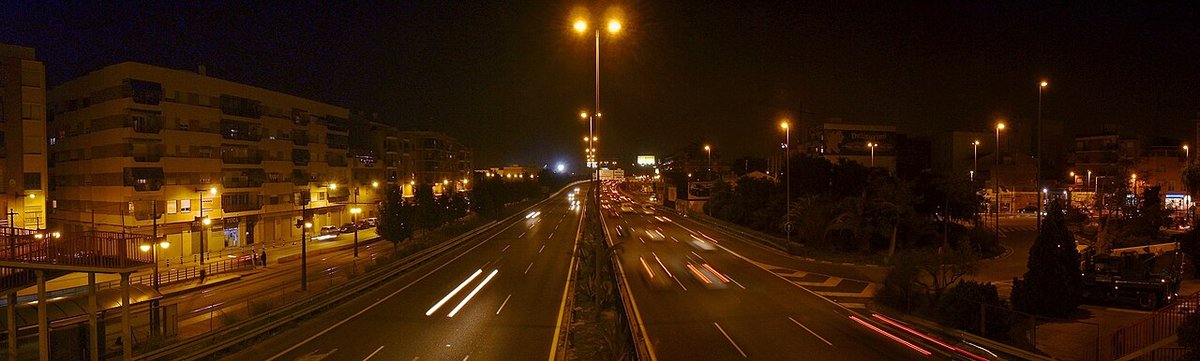
The motorway exit sneaks up fast. One moment you're passing Valencia's northern suburbs, the next you're dropping down an off-ramp into a corridor of citrus trees that smells faintly of orange blossom even in December. Náquera sits 212 metres above sea level, low enough to feel Mediterranean yet high enough that the air carries a snap of mountain resin from the Sierra Calderona behind.
This isn't a village that shouts. The church tower of San Miguel Arcángel pokes above terracotta roofs, a few blocks of old houses cluster round a compact square, and everything else spreads out in modern estates and plantings of navel oranges. What it offers is proximity: 25 minutes to Valencia's cathedral, ten to proper hiking trails, and instant immersion in workaday horta life where tractors have right of way and the bakery sells out by 09:30.
A Castle with No Walls and Other Modest Treasures
Climb the short paved path from Calle Castillo and you reach a bald hill where Náquera's medieval fortress once kept watch. Only waist-high masonry outlines remain, plus embedded information boards that require imagination and decent Spanish. The compensation is the platform view: a chessboard of orange groves slipping towards the coastal plain, the motorway a thin grey ribbon, and on clear winter days the flash of the sea beyond Sagunto.
Back in the centre the parish church, rebuilt after 1930s damage, houses a single Gothic portal salvaged from the original. Step inside during evening Mass and you'll catch the village at its most cohesive—elderly women in the front pews, teenagers texting in the doorway, the priest announcing Saturday's bicycle rally rather than any grand theological point. Circumnavigate the building afterwards; the stone blocks still show pockmarks from rifle practice when the hill served as a Civil War firing range.
Two streets west, Plaza Mayor fills up at 18:00. Office workers returning from Valencia prop up the terrace bars, order cañas of lager (€1.80) and discuss property prices in bilingual shorthand. There is no postcard prettiness here: the town hall is 1970s brick, the benches are plastic, and the bandstand hosts Zumba classes on Thursday. Yet the atmosphere is candidly local—no laminated menus in five languages, no waiter hawking paella for two.
Trails, Almonds and the Art of the Menu del Día
Náquera's real wealth lies around the edges. A web of agricultural tracks strikes south into the Calderona, starting almost from the last pavement. The easiest loop, signposted as PR-V 147, follows a dry rambla for 5 km through Aleppo pines and returns via the almond terraces. Late February turns these slopes pink-white with blossom, a spectacle that draws precisely three cars and a dog walker. Carry water; fountains marked on the 1:25,000 map are often padlocked.
Mountain bikers favour the forest road to Olocau, a steady 12 km climb rewarded by single-track descents and views across to the coastal sierra. Rental bikes are not available in the village; bring your own or arrange delivery from a Valencia shop—most will drop at Naquera House & Pool for a €25 fee.
Lunch options are limited but honest. Bar-restaurant El Salt, opposite the Guardia Civil hut, dishes out three-course weekday menus for €12. Expect soup or salad, grilled pork with chips, and custard flan. Vegetarians can request escalivada (roasted aubergine and pepper) though you may need to explain the concept. House wine comes from Utiel-Requena and tastes better if you add a splash of lemonade—locals do it without shame.
When to Come and What to Expect
Spring and autumn rule. March brings blossom and daytime highs of 21 °C, ideal for cycling before the wind picks up. October is quieter; the orange harvest starts and wood smoke drifts from small casetas in the groves. Summer is hot—34 °C is routine—and the village empties as families head to beach apartments. If you do visit July-August, walk at dawn and nap through the furnace afternoon like the Spaniards.
Rain is scarce but torrential when it arrives. A 30-minute September downpour can turn the barrancos into roaring chocolate torrents; check the AEMET orange alerts and never park in dry riverbeds, however scenic the oleanders look.
Evenings are low-key. Bars shut by midnight, amplified music requires a municipal permit (rarely granted), and the only late-night activity is the petrol station on the bypass. Bring a book, or better, a bottle of turrón liqueur and conversation.
Getting Here, Staying Put, Moving On
Valencia airport is 25 km south. With a hire car take the A-7, swing onto the CV-35 towards Llíria, and exit at Náquera-Patraix. Without wheels the L2601 bus leaves Valencia's Estación de Autobuses three times daily; the 17:30 return is the last chance home, so day-trippers need an early start. Taxis from the city cost €45-55—book via Taxi Mercedes Valencia and agree the price first.
Accommodation within the village is essentially private villas aimed at Valencian weekenders. Naquera House & Pool sleeps six, has a gated garage and averages £140 per night even in May. Alternatives cluster on the El Paraíso urbanisation, all requiring a vehicle for groceries. Most British visitors base themselves in Valencia and drive up for a day's walking or cycling, combining lunch in the square with a late-afternoon loop through the blossom.
Nearby detours: Roman Sagunto (castle amphitheatre, 15 min north) and Llíria's Iberian ruins (20 min west). Valencia's old riverbed park offers flat bike lanes if small legs need an easier spin.
The Honest Verdict
Náquera will never feature on a "Top Ten Hidden Gems" list, and the village prefers it that way. It delivers a functioning slice of horta Spain: safe streets, solid bread, trailheads outside your door, and enough altitude to escape summer's coastal mugginess. Come armed with transport, modest Spanish, and an appetite for oranges rather than monuments. Manage those expectations and the place repays with something increasingly rare—an ordinary Spanish day unfolding exactly as locals want it, with or without you there to watch.