Full Article
about Riba-roja de Túria
Town with Visigoth sites and Turia natural park
Hide article Read full article
Riba-roja de Túria: Huerta, Agua y una Villa Visigoda
El río Túria cambia de carácter al llegar a la llanura de la huerta valenciana. En Riba-roja de Túria, a unos veinte kilómetros de la capital, el agua ya no baja encajonada. Se reparte por acequias para regar los campos de cítricos que rodean el pueblo. La vida aquí se organizó históricamente en torno a ese sistema de riego y al curso del río, una relación que aún define el paisaje.
Un Castillo que es un Palacio
La silueta del llamado castillo de Riba-roja se ve desde la carretera. La denominación puede llevar a confusión. El origen del emplazamiento es islámico, probablemente una torre de vigilancia almohade. Tras la conquista cristiana en el siglo XIII, su función cambió radicalmente, transformándose en residencia señorial.
La estructura actual es resultado de esas reformas posteriores. Lo que se ve corresponde mayoritariamente a los periodos moderno y contemporáneo. No es, por tanto, una fortaleza medieval conservada, sino un palacio que ha ido adaptando su fisonomía a distintos usos. Hoy alberga el Museo de Cerámica y el MUPLA, el museo municipal de arqueología.
El Hallazgo del Pla de Nadal
La razón de ser del museo arqueológico está a las afueras. En el yacimiento del Pla de Nadal se descubrieron en el siglo XX los restos de una villa visigoda del siglo VII. Las excavaciones sacaron a la luz capiteles, elementos decorativos y fragmentos arquitectónicos que ahora se exponen en el MUPLA.
Estas piezas son significativas porque ilustran un periodo poco visible en la Comunidad Valenciana: el tránsito entre el mundo romano tardío y la llegada de al-Ándalus. No es una época que deje muchas huellas monumentales, por lo que el conjunto ayuda a comprender esa etapa histórica.
Iglesia y Plaza, una Construcción Prolongada
La iglesia parroquial preside el centro del pueblo. Su aspecto homogéneo es engañoso. Las dos torres no se construyeron a la vez. Una se terminó a finales del siglo XVIII; la otra es del XIX, tras décadas de obras intermitentes.
El interior es neoclásico, con bóveda de cañón y un retablo posterior que sustituyó al original, perdido en un incendio del siglo XVIII. Frente a la iglesia se abre la plaza mayor, con el ayuntamiento construido en el primer tercio del siglo XX. Su lenguaje arquitectónico, de ladrillo visto y simetría, refleja la voluntad de modernidad institucional de muchos pueblos agrícolas de la época.
La Ruta del Agua y el Parque Natural
La relación con el río se puede seguir a pie. La Ruta del Agua enlaza lavaderos antiguos, acequias y miradores sobre la ribera. Es un paseo corto y llano que explica sin esfuerzo cómo el acceso al agua organizaba la vida cotidiana.
Las riadas también forman parte de esta memoria. La gran inundación de 1957, que afectó a toda la comarca, dejó aquí una huella profunda. Algunas tradiciones religiosas locales están vinculadas al recuerdo de esas crecidas.
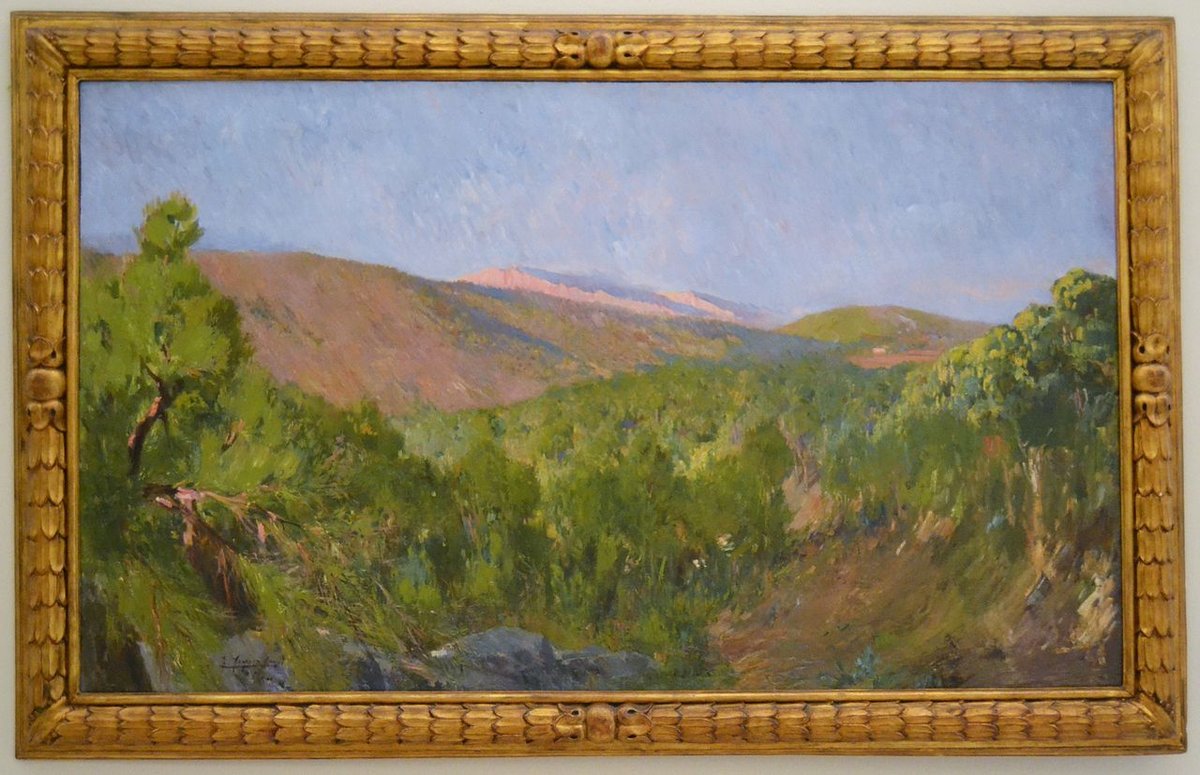
Más allá del casco urbano comienza el Parque Natural del Túria. Los senderos que bordean el río permiten caminar entre carrizales, pinares y campos de cultivo. No hace falta planificar una ruta; basta con seguir el curso del agua y desandar lo andado.
Fallas, un Dux Visigodo y los Fadrins
Riba-roja celebra las Fallas, como toda la zona metropolitana de Valencia. Pero ha desarrollado además una recreación histórica en torno a su pasado visigodo. Durante varios días, el entorno del castillo acoge mercados y desfiles inspirados en ese periodo, bajo la figura del Dux.
En septiembre tienen lugar las fiestas del Cristo de los Afligidos, con raíces más antiguas entre los vecinos. Tradicionalmente, los fadrins —los hombres solteros del pueblo— se encargaban de la organización. Aunque esa costumbre ha evolucionado, se mantiene en la memoria como parte de la identidad local.
Cocina de la Huerta
La mesa aquí es la de la huerta valenciana. Los arroces son centrales, destacando el arroz con costra, horneado con embutido y huevo. Las cocas saladas, sobre todo la de tomate, son habituales. En invierno, predominan los platos de cuchara con legumbres y verduras de temporada, como los guisos con cardo.
La repostería tradicional es sencilla: rollets de anís, pastissets de boniato y la omnipresente coca de llanda. Son dulces de diario, ligados a los ingredientes locales.
Cómo Llegar y Moverse
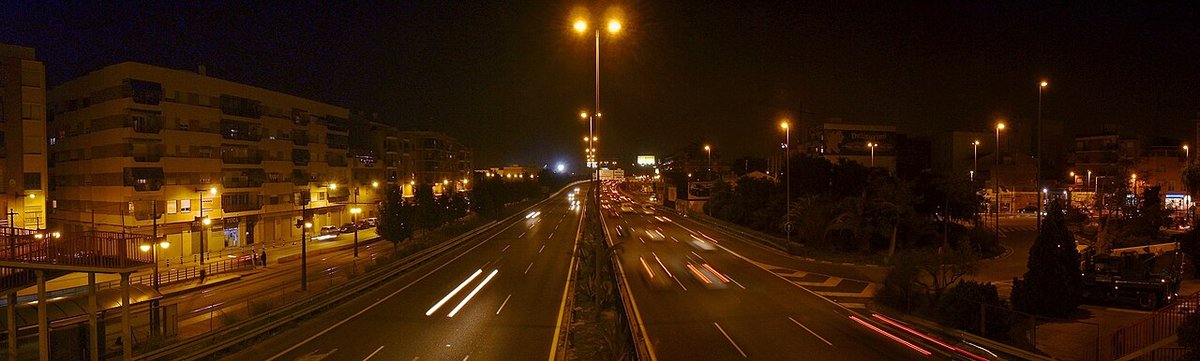
Riba-roja de Túria está bien comunicada con Valencia por carretera y transporte público metropolitano. El trayecto en coche desde la ciudad es breve por las vías principales que conectan la comarca. Una vez allí, el pueblo se recorre fácilmente a pie. Para adentrarse en el Parque Natural, conviene llevar calzado adecuado para caminar por senderos de tierra.