Full Article
about Vilamarxant
Municipality on the Turia with the Les Rodanes area, perfect for mountain biking.
Hide article Read full article
Where the scent shifts
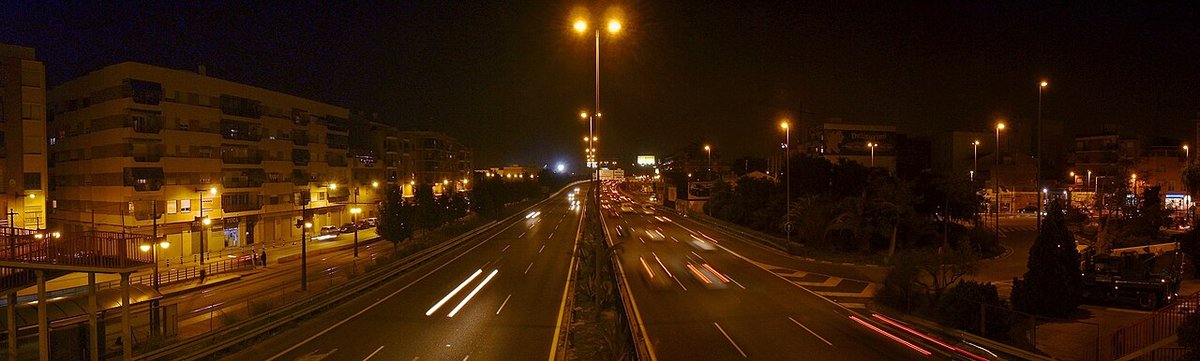
There is a moment, just after leaving the CV-50 and passing the industrial edge of Riba-roja, when the air changes. It is not the polished Mediterranean fragrance people might expect, but something more grounded. Turned earth from orange groves, a hint of horse near the agricultural plots, and the dry trace of scrubland that marks the Camp de Túria. That is when Vilamarxant begins to make itself felt.
This is not a place that announces itself loudly. It comes into view gradually, almost quietly, shaped by its surroundings rather than staged for visitors.
A town built around its tower
The Arab tower tends to draw attention first, although it does not dominate in the way one might imagine. It sits among ordinary homes, its stone structure rising between balconies and laundry lines, as if it had always been just another neighbour. The town seems to have grown around it without much ceremony, and that gives the area a natural, unforced feel.
Within the old centre, the streets form a compact maze. Getting lost rarely lasts long, as most routes lead back to the same point: the square of the Iglesia de Santa Catalina. The church looks out over the town with a tower visible from afar. The current building dates from the late nineteenth or early twentieth century, a period when churches were built with durability in mind. Its neoclassical style is restrained, with no need for ornament or embellishment.
Beneath the town lies a lesser-known feature: an old cistern, often said to have Islamic origins. It includes several vaulted chambers and once served as a water store for the local population. It offers a reminder of how daily life once depended on systems that now feel distant. While other places were already turning towards modern urban development, here water was still drawn by hand from underground reserves.
Following the logic of water
To understand Vilamarxant, it helps to look at the Turia river. Flowing nearby, it shaped the settlement over centuries. The town’s location and development were closely tied to how water could be managed and distributed.
Remains of old hydraulic infrastructure still exist in the surrounding area, particularly between Vilamarxant and Riba-roja. Some are thought to date back to Roman times. They are not presented as formal heritage sites, so encountering them requires a bit of patience. Along certain paths, pieces of stonework and fragments of walls appear, clearly older than anything built in recent generations.
One commonly followed route is known as the “ruta del agua”. It is a relatively gentle walk that traces part of the river’s environment. Along the way, the connections become clearer: the tower for observation, the cistern for storage, and the channels that once carried water where it was needed. With far fewer resources than today, this network sustained the town for centuries.
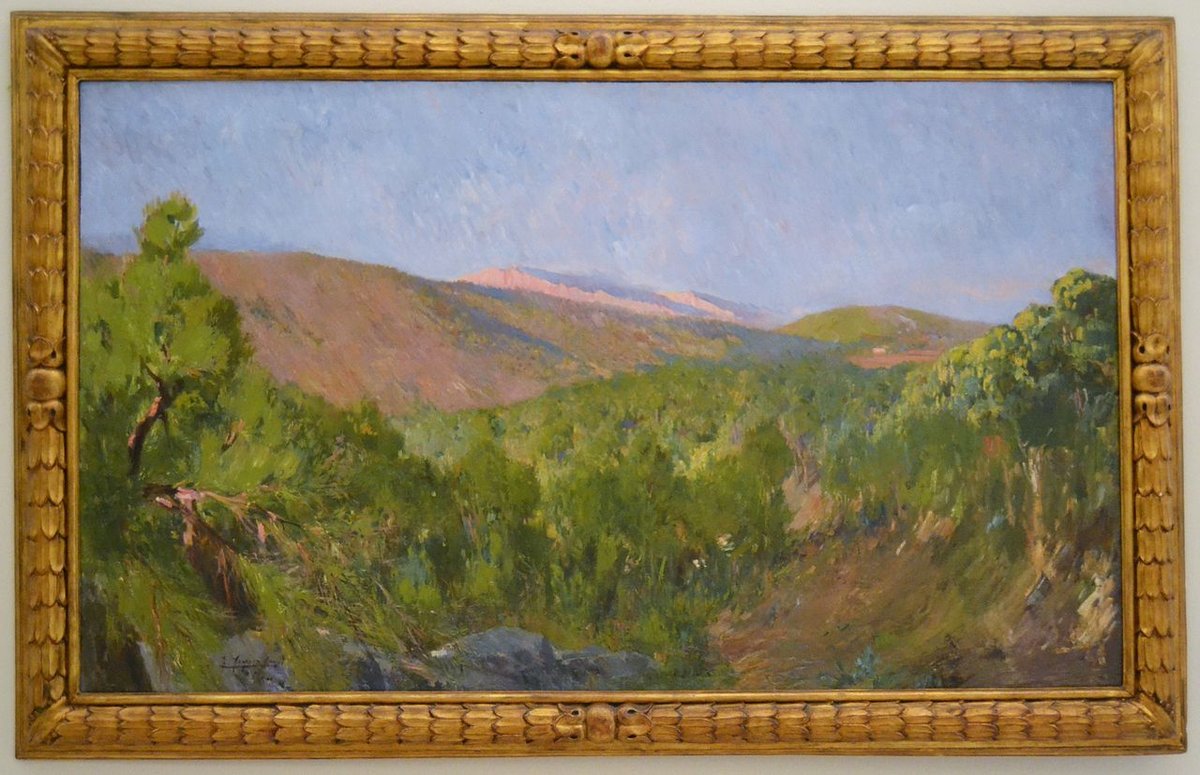
The landscape here is not dramatic, but it is functional. It reflects a long relationship between people and their environment, where survival depended on careful use of what was available.
A kitchen beyond rice
Although this is Valencia, Vilamarxant’s food does not revolve entirely around rice dishes. One of the most characteristic meals is olla de la plana, a hearty stew made with legumes and meat. It resembles traditional Spanish boiled dishes and speaks to an inland style of cooking that contrasts with coastal cuisine.
There is also a strong tradition of cured meats from rural farmhouses. Longanizas, chorizos and other varieties are prepared and dried using the air from the nearby hills. These are simple products, not elaborate, but well suited to long, unhurried meals.
Honey from the surrounding hills, particularly areas like La Rodana, is also well regarded locally. With rosemary and Mediterranean scrub covering the terrain, bees have abundant resources, which shapes the flavour.
Another staple is coca de tomate y atún, commonly found in bakeries and at the weekly market. It is neither pizza nor quite like other Mediterranean flatbreads. The base is simple, topped with tomato and tuna, and best eaten warm, often disappearing quickly once served.
When the streets change rhythm
In September, the town hosts its Moros y Cristianos celebrations. These festivals, common in parts of eastern Spain, recreate historical confrontations between Muslim and Christian groups through parades and performances. In Vilamarxant, the scale is smaller than in some Alicante towns, which gives it a more local character.
The groups that take part, known as comparsas, are usually made up of residents: families, friends, colleagues. There is a sense that most people know someone involved. Music from the dolçaina and tabal, traditional Valencian instruments, fills several streets at once. The smell of gunpowder marks the start of events involving arcabucería, where participants fire ceremonial guns. For a few days, the pace and atmosphere of the town shift completely.
At Christmas, another tradition appears: the Pastorets. This is a dance performed through the streets, maintained over many decades. It does not seem designed for visitors, but rather continues because it has always been part of local life.
A simple way to experience it
Vilamarxant is not a place that demands several days. It works better as a calm excursion from Valencia or elsewhere in the Camp de Túria.
A straightforward visit might begin in the morning, with time spent walking through the old centre, passing by the tower and reaching the church square. From there, heading down towards the Turia offers a chance to stretch your legs and see how the landscape connects to the town’s history. A couple of hours on foot is enough to form a clear impression.
For those interested in cycling, the river surroundings offer plenty of possibilities. Paths and stretches of greenway run through the area, making it easy to explore at a slower pace.
Vilamarxant does not try to impress with grand landmarks or dramatic scenery. Its appeal lies in how everything fits together: water, land, and everyday life continuing much as it has for generations.