Full Article
about Bolbaite
Known for its castle and the Sellent river spot with a natural swimming lake.
Hide article Read full article
Bolbaite: Geografía de un Pueblo de Riego
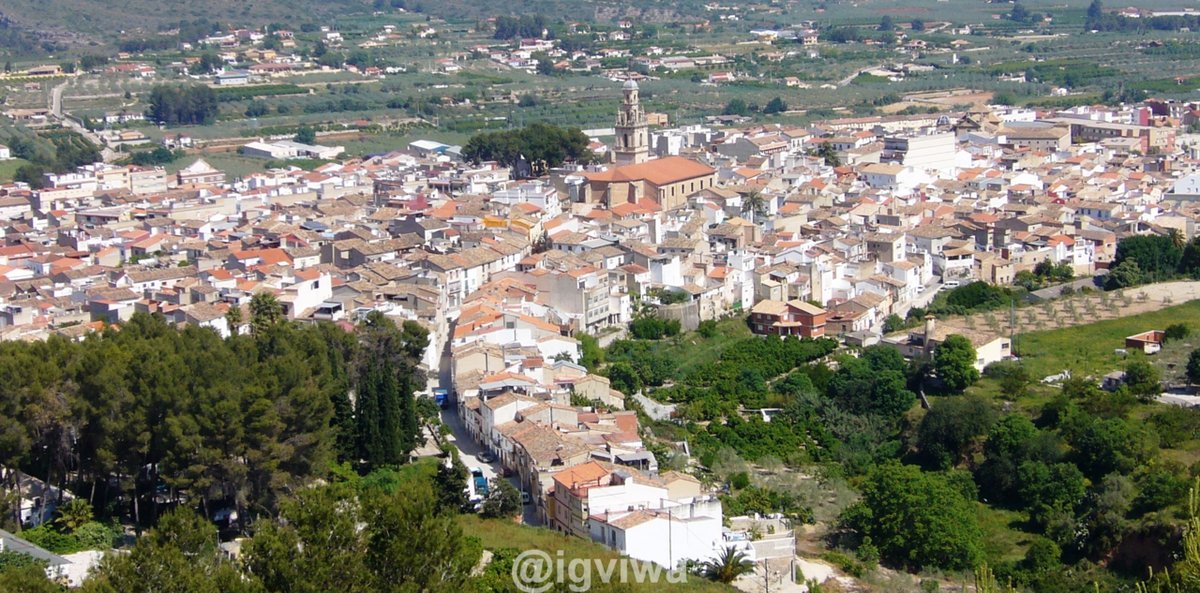
Bolbaite se asienta en una terraza sobre el río Sellent, en la comarca valenciana del Canal de Navarrés. Su posición no es casual: desde aquí se controla el agua que riega la huerta circundante. El pueblo, de poco más de mil habitantes, tiene la estructura compacta y funcional de los núcleos que crecieron al compás de la agricultura. Calles con pendiente suave, casas de fachadas sencillas y el sonido constante del agua en las acequias definen su carácter.
La iglesia parroquial, con reformas de los siglos XVII y XVIII, preside la plaza. Su arquitectura es sobria, sin grandes pretensiones ornamentales. Alrededor se alinean algunas casas señoriales, con portales de piedra y balcones de forja, que hablan de una época en la que la producción agraria generaba cierta prosperidad. El conjunto no busca impresionar al forastero; es un espacio que se ha ido ajustando a las necesidades de la vida cotidiana.
El Río Sellent y su Curso Urbano
El río Sellent atraviesa Bolbaite formando un remanso ancho y de corriente tranquila. No es un paraje salvaje, sino un espacio integrado en el pueblo. Los chopos y la vegetación de ribera bordean un tramo que durante generaciones ha servido como zona de baño estival. En julio y agosto es habitual ver familias en sus orillas.
Este uso no es reciente. La relación con el río es práctica: además del ocio, sus aguas se desvían mediante azudes hacia la red de acequias que alimentan los campos. Pasear por este tramo urbano permite ver cómo las huertas llegan casi hasta la misma orilla, en una mezcla de ámbito natural y productivo que es típica de la comarca.
La Huerta y el Sistema de Acequias
La mayor parte del término municipal son bancales de cítricos y huerta. El paisaje está surcado por una red de acequias —algunas de origen medieval— que distribuyen el agua del Sellent. Muchas parcelas siguen siendo trabajadas por familias locales, en un modelo de pequeña propiedad.
El ciclo agrícola marca el ritmo. En primavera, el azahar perfuma los caminos entre campos. En otoño, el movimiento de tractores y remolques se intensifica con la recolección. Dispersas por la huerta hay casetas de labor, construcciones sencillas de piedra o ladrillo para guardar herramientas o resguardarse del sol. Su utilidad prima sobre cualquier otra consideración.
Este paisaje no es decorativo. Es el resultado de una organización social y económica basada en el aprovechamiento del agua. Comprenderlo es entender por qué Bolbaite está donde está y cómo vive.
Caminos entre Bancales
Varios caminos rurales salen del pueblo hacia la huerta y las lomas bajas cubiertas de monte mediterráneo. No son rutas de gran recorrido, sino vías de servicio para los labradores que también sirven para pasear. Las pendientes son suaves.
Desde alguno de estos caminos se obtiene una vista clara del valle: Bolbaite aparece como un núcleo más entre otros —Navarrés, Quesa, Chella—, todos rodeados de un mosaico verde de cultivos. La perspectiva confirma la lógica del territorio: pueblos distanciados pero unidos por un mismo sistema hídrico y una economía similar.
Caminar por aquí no requiere preparación especial. Basta calzado cómodo y atención para no interferir con el trabajo del campo. Es la forma más directa de leer el paisaje.
Festividades y Ciclo Anual
Las fiestas patronales de verano concentran la actividad social. Incluyen actos religiosos, verbenas y comidas comunitarias que movilizan a buena parte del vecindario. A lo largo del año se celebran otras citas, como procesiones vinculadas al calendario litúrgico o a momentos clave del ciclo agrícola.
Estos eventos tienen un alcance local. Su interés para quien visita desde fuera reside en observar cómo se mantienen formas de sociabilidad tradicionales, donde lo religioso y lo agrario a menudo se mezclan. Son una extensión más de la vida comunal que gira en torno a la plaza, el río y las tierras.
Cómo Llegar y Qué Esperar
Bolbaite se encuentra en el interior de la provincia de Valencia. Se accede por carretera desde la A-7, tomando la salida hacia Enguera o Anna y siguiendo las indicaciones hacia el Canal de Navarrés. El trayecto desde Valencia ciudad ronda la hora.
El pueblo se recorre a pie en poco tiempo. Mucha gente lo visita combinándolo con otras localidades de la comarca o con paseos por los senderos fluviales cercanos. En verano, el foco está en el río a su paso por el casco urbano.
Bolbaite muestra, sin artificios, cómo el agua determina la existencia de un lugar. No hay grandes monumentos, pero sí un paisaje cultural coherente donde la huerta, las acequias y el río siguen explicando casi todo.