Full Article
about Enguera
Capital of the comarca, with a vast mountainous municipal area and the lake of Anna nearby.
Hide article Read full article
Enguera, el pueblo que no te esperas
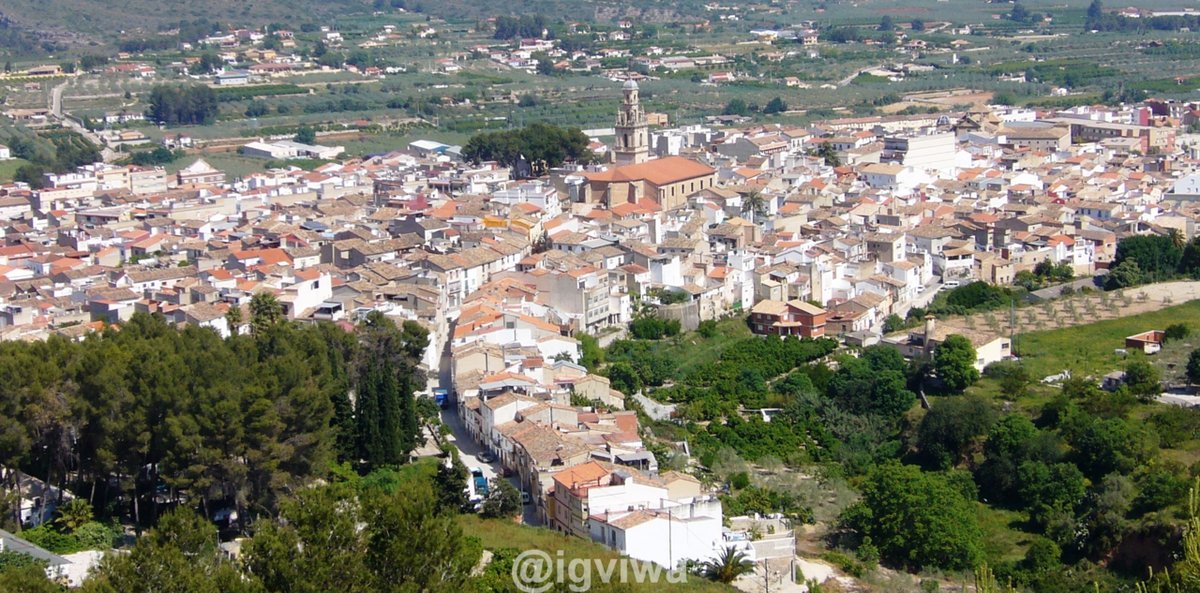
Enguera es como ese plato que pides sin muchas ganas y al final repites. Lo ves en el mapa de la Canal de Navarrés, un nombre más entre Valencia y Albacete, y piensas: otro pueblo de secano. Llegas y te encuentras con calles que suben como si tuvieran prisa, un castillo encaramado en lo alto y un término municipal tan grande que parece querer comerse la provincia. No es lo que habías imaginado.
La carretera CV-656 te deja justo en las primeras cuestas. El coche empieza a protestar y ya entiendes por qué el pueblo se construyó así, apretado contra la ladera. No hay un plan urbanístico bonito; hay una necesidad práctica de no caerse por el barranco. Y de pronto, entre tejados, asoma la torre del castillo. No está iluminada ni señalizada como una atracción. Simplemente está ahí, vigilando.
Subir al castillo (y lo que cuesta)
Todo el mundo te dice que hay que subir. Es el gesto obligado. Lo que no te dicen es que el camino se pone serio en los últimos diez minutos.
Sales desde la plaza, por callejuelas empedradas que aún huelen a café recién hecho. Luego el asfalto se acaba y comienza un sendero de tierra entre pinos. Hasta ahí, bien. Pero la última parte es una cuesta pedregosa donde el sol pega de lleno si vas después de mediodía. Cuando llegas arriba, jadeando, lo primero que piensas no es en historia sino en la botella de agua que olvidaste abajo.
Las vistas, eso sí, arreglan mucho. Ves todo el valle: olivos hasta donde alcanza la vista, manchas de almendros y el pueblo abajo, pequeño y ordenado. Los restos del castillo son eso, restos: algunos muros, bases de torres, piedras con musgo. No es un museo al aire libre; es el sitio donde hace siglos alguien decidió que este cerro era el mejor para controlar quién pasaba por aquí. Se respira más utilidad que épica.
La comida que te ancla a la silla
Bajar da más hambre. En la plaza mayor suele haber movimiento, terrazas con gente charlando y ese ritmo pausado del mediodía valenciano.
Pregunta por el gazpacho enguerino. Olvídate del frío andaluz: aquí es un plato de cuchara, contundente, con carne migada y especias. Es la clase de comida que te pide una sobremesa larga y una siesta corta.
Para rematar, tienen unos dulces llamados rolletes de anís. Son sencillos, sin aspavientos, pero con un café solo hacen su trabajo perfectamente.
Después de comer así cualquier plan ambicioso —otra ruta, otra visita— se pospone solo. El cuerpo pide caminar lento y digerir.
Un término municipal descomunal
Aquí viene lo curioso: Enguera tiene uno de los términos municipales más grandes de la Comunidad Valenciana. Hablamos de miles de hectáreas. Sales del casco urbano y en cinco minutos estás entre campos de olivos centenarios o bosques de pino carrasco donde no se ve a nadie.
No es un parque natural protegido oficialmente; es tierra de trabajo. Ves tractores polvorientos junto a rebaños de ovejas que cruzan la carretera sin prisa. El paisaje cambia lentamente: zona irrigada cerca del pueblo, luego monte bajo y finalmente sierra.
En medio del pueblo hay un olivo viejo en una plaza pequeña. Nadie sabe exactamente cuántos años tiene pero todos lo tratan con respeto; es como el abuelo mudo del lugar.
Fiestas concentradas
No son pueblos de fiesta perpetua. Aquí las celebraciones son intensas pero breves.
En enero hacen hogueras para San Antón y bendicen animales domésticos; un gesto rural muy directo. En mayo mueven el foco a Navalón, una pedanía a unos kilómetros donde celebran a su virgen. Y a finales de septiembre llegan los días grandes con San Miguel y la Virgen de Fátima: música en la calle procesiones cena popular Y al tercer día como si nada Todo vuelve a su ritmo habitual
Cómo llevarse bien con Enguera
Este no es un destino para marcar con un tick brillante Es más bien un lugar donde parar si vas por la zona quedarte una noche o dos e ir descubriendo capas
Mi recomendación sería esta Llega por la mañana Pasea por las calles altas Sube al castillo antes de que apriete el calor Come fuerte en algún sitio local Y luego date una vuelta por cualquiera de los caminos rurales hacia las sierras Con eso te llevas una idea bastante fiel del lugar
Un aviso práctico En verano hace calor De verdad La subida al castillo puede ser cruel pasadas las once Así que madrugar no es opción aquí es sentido común
Enguera no regala nada No tiene postal perfecta ni gran monumento Pero tiene consistencia Y al final del día eso a veces vale más