Full Article
about Millares
Mountain village with dinosaur sites and Caves Castle
Hide article Read full article
Millares, en la frontera olvidada de la Serra d'Enguera
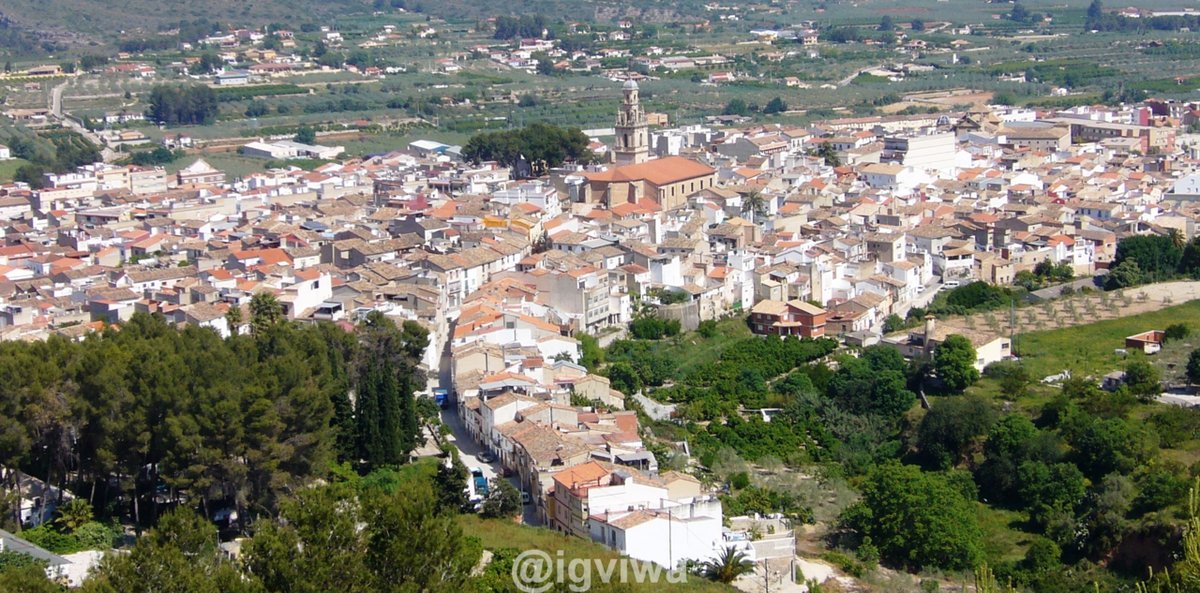
La historia de Millares comienza en la línea difusa de la frontera de al-Ándalus. El pueblo actual, a unos 600 metros sobre el nivel del mar en la vertiente sur del Canal de Navarrés, es heredero directo de aquel asentamiento vigilante. Sus poco más de trescientos habitantes viven en un entramado urbano que aún delata su origen: un lugar pequeño, construido contra la ladera para estar cerca de las tierras de secano.
Tras la conquista cristiana en el siglo XIII, el lugar se reorganizó como aldea agrícola. Eso explica su disposición: protegido por la pendiente y volcado hacia los bancales donde durante siglos se cultivaron olivos, almendros y algo de cereal.
Un trazado que obedece a la pendiente
La estructura de Millares no ha abandonado esa lógica inicial. Sus calles son estrechas y con cuesta, trazadas por la topografía más que por ningún plan posterior. Pasear por ellas muestra cómo cada recodo se adapta al desnivel.
Las casas tradicionales se levantaron con mampostería y teja árabe, usando lo que había a mano. Muchas conservan portales amplios o pequeños corrales cerrados, elementos de una época en la que la vida diaria dependía de los animales para el trabajo y el transporte. La arquitectura aquí es funcional, dictada por la necesidad.
En el punto más alto se encuentra la iglesia parroquial. La mayor parte del edificio actual es de época moderna, construido sobre estructuras anteriores una vez el pueblo se consolidó tras la repoblación. No domina como un monumento grandioso; actúa más bien como un punto de referencia entre el caserío. Desde sus alrededores se entiende la ubicación: el valle se abre abajo, mientras una sucesión de montes y barrancos rodea el pueblo.
El paisaje de la roca caliza y los bancales
El territorio alrededor de Millares explica su desarrollo. La Serra d’Enguera conforma un terreno quebrado de caliza, surcado por barrancos profundos y cubierto por monte mediterráneo. Pinos y carrascas crecen junto a matorrales aromáticos.
En las laderas siguen visibles los bancales sostenidos por muros de piedra seca. Muchos ya no se cultivan, pero permanecen como huella del uso que se dio a cada palmo de tierra practicable. Dan una medida clara del esfuerzo que exigía trabajar aquí.
Los caminos alrededor del pueblo revelan más de ese uso tradicional del territorio. Antiguas sendas conectaban parcelas y zonas de labor, y a lo largo de ellas aparecen estructuras dispersas: pequeños corrales y refugios rústicos para el trabajo diario en el campo.
Los cortados rocosos de la zona son refugio para aves rapaces, que suelen verse planeando sobre las corrientes térmicas. No hay miradores construidos para visitantes, pero varios puntos de los caminos abren vistas amplias sobre el valle de forma natural.
Una cocina de aprovechamiento
La comida local refleja el pasado agroganadero de Millares. Los platos son contundentes y prácticos, pensados para una vida rural. Son comunes los guisos y los embutidos caseros. Cuando la temporada lo permite, se incorporan ingredientes ligados a la caza menor.
Las hierbas de los montes cercanos —tomillo, romero, pebrella— tienen un papel habitual en la cocina diaria. El resultado es una gastronomía que no se separa del entorno, condimentada con lo que ofrece el terreno.
Festividades de verano y un ritmo distinto
Las fiestas patronales se celebran en verano, cuando muchos antiguos residentes regresan al pueblo. Durante esos días, Millares abandona su ritmo habitual de calma. Los actos religiosos se mezclan con comidas comunitarias y encuentros en la calle.
Esta mezcla es propia de los pueblos pequeños del interior valenciano. La vida social que surge durante las fiestas refleja costumbres antiguas, donde el espacio público se convierte en lugar para verse, comer y reencontrarse.
Cómo llegar a Millares
Desde la ciudad de Valencia se tarda algo más de hora y media en coche. El último tramo discurre por carreteras interiores que serpentean entre sierras y barrancos. Esta relativa aislamiento ayuda a entender por qué Millares se mantiene como un lugar tranquilo, donde el paisaje y la historia siguen marcando el día a día.
El pueblo sigue ligado a su entorno. El terreno, los restos de las prácticas agrícolas antiguas y el trazado de las calles apuntan a una forma de vida que ha evolucionado lentamente. Millares no se separa de su medio; sigue formando parte de él, definido por las mismas lomas y vaguadas que siempre lo han enmarcado.