Full Article
about Canals
Famous for the Foguera de San Antonio (the world’s largest) and birthplace of the Borgias.
Ocultar artículo Leer artículo completo
The first thing that hits you isn't the view—it's the scent. Drive in during late March and the whole town is drifting on clouds of orange-blossom, thick enough to make the air taste like perfumed tea. Canals sits 160 m above the Mediterranean, half an hour inland from the coastal A7, and the motorway signs still label it an "industrial polygon". That label keeps the coach parties away, which suits the 13,000 canalinos just fine.
A grid you can actually walk
British expat Kevin Daniells admits he nearly drove past. "From the motorway it looks like warehouses and chimneys," he says. Then his estate agent diverted him through the centre: flat, stone-paved streets laid out in a neat Spanish grid, no hills to negotiate with dodgy knees, and every doorway painted a different colour—terracotta, pistachio, faded indigo. The effect is more Andalusian pueblo than Midlands market town, but the mood is unmistakably practical: neighbours scrub front steps at 8 a.m., then wheel shopping trolleys to the Saturday produce market on Plaza Mayor where a kilo of just-picked navel oranges costs 80 c.
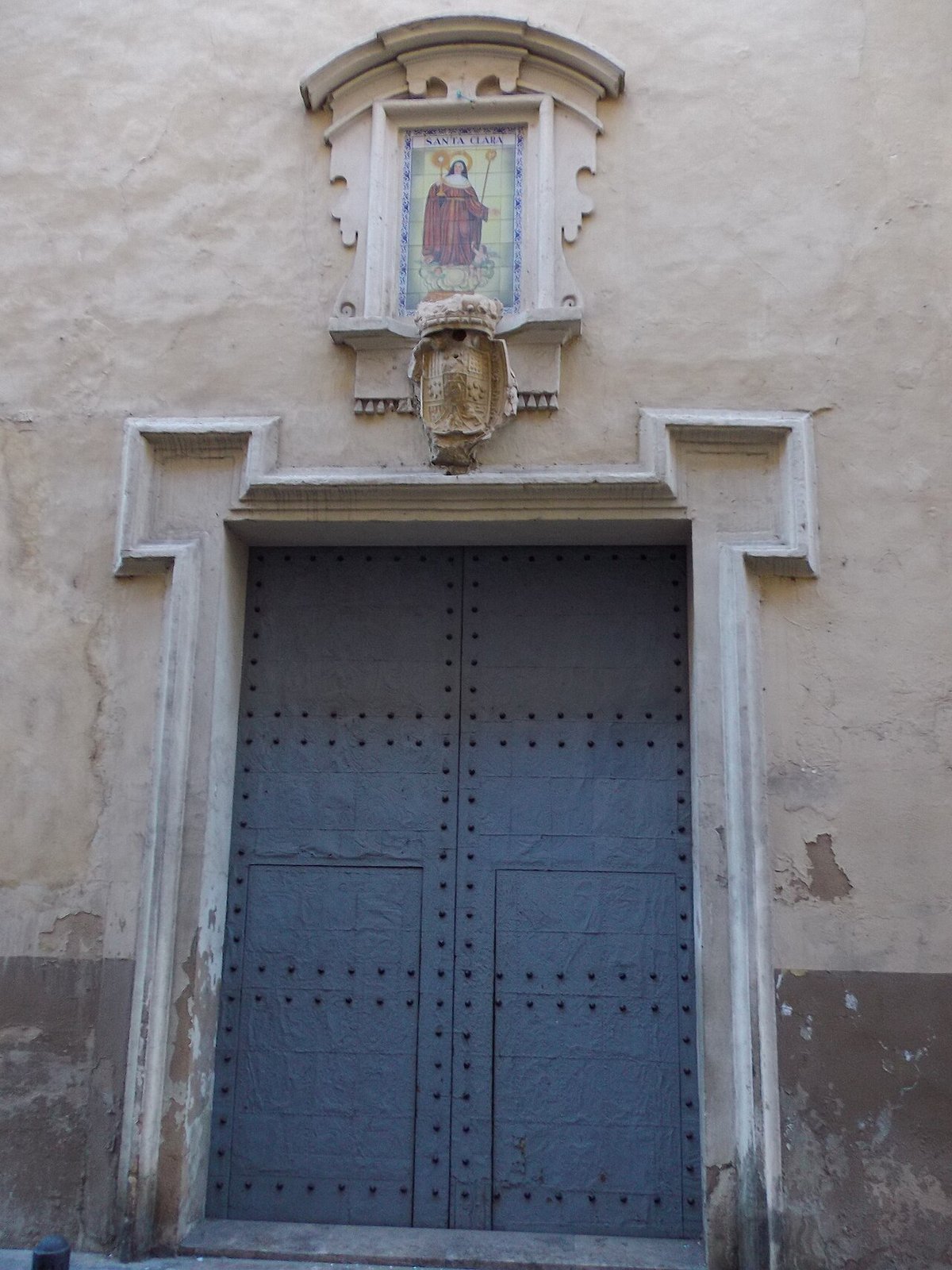
The town's architectural headline is the Iglesia de San Roque, an 18th-century brick-and-stone block that looks stolid from the front but reveals a riot of gold leaf and cherubs inside. You can wander in most mornings; if the door is locked, the lady who sells lottery tickets next door keeps the key in her apron pocket. Around the church the lanes narrow to single-file, interrupted by the occasional Gothic arch or coat of arms chipped smooth by centuries of cart traffic. It isn't museum-grade heritage—some façades are half-rendered, half-1970s concrete—but that patchwork honesty is what gives Canals its traction.
Oranges, rice and the long lunch
Agriculture still pays the bills here. Head east for two minutes and the streets surrender to citrus groves laid out like green corduroy. Between April and mid-May the blossom gives way to baby fruit the size of ping-pong balls; by November the branches are sagging with full-colour navels harvested for Valencia's wholesale markets. Several farmers run tiny roadside stalls—look for hand-painted signs reading "Naranjas dulces, 2 €/kg"—and will let you sample segments while they explain the difference between a Navelina and a Valencia Late in rapid Spanish punctuated with reassuring thumbs-up.
Rice shapes the other half of the larder. Canals shares the same aquifer as nearby Alzira, so paella isn't tourist theatre; it's Thursday lunch. The local version tends to be heavier on beans and snails (they're free if you collect them after rain) and lighter on saffron than the coast's gaudy yellow mountains. Try it at Casa Blanco on Calle Mayor—arroz al horno served in the same metal tray it was baked in, crusty top guaranteed, €9 including a glass of Valencian bobal that stains the teeth purple.
A castle in the next valley
Most British visitors treat Canals as an inexpensive dormitory for Xàtiva castle, five miles south. They're missing a trick. Leave the town on the CV-654 and a 45-minute farm track climbs gently to the Ermita de la Saleta, a 14th-century hermitage turned picnic spot. From here you can see the whole Costera comarca: a rumpled carpet of olive, carob and orange patched together by dry-stone walls. Bring water—there's no bar—and set off early; by 11 a.m. the sun has enough bite to remind you you're still south-facing despite the altitude.
Cyclists can borrow a free map from the tiny tourist office inside the town hall and follow signed rural lanes to L'Alcúdia de Crespins or to the ruined Moorish tower at Venta Gaeta. The terrain is pancake-flat compared with the UK's Peak District; the challenge is the heat, not the hills. November through March is perfect; July belongs to the lunatics.
Fireworks in January, siesta in August
Spanish towns love an excuse for detonations, and Canals obliges twice a year. The fiestas of Sant Antoni (around 17 January) begin with a dawn barbecue in the main square, followed by a parade where residents dressed as devils throw bangers at your feet. British families have been known to flee with fingers in ears; locals collect the spent cartridges like souvenirs. August belongs to San Roque: foam parties for teenagers, late-night outdoor concerts, and paella cooked in a pan wide enough to double as a paddling pool. If you prefer your pavements empty, come the week after—shops discount the leftover fireworks and the town exhales.
Buying milk at 22:00 and other practicalities
Canals never bought into the Costa Blanca 24-hour culture, but it isn't dead after dark either. Small supermarkets (SuperMei, Consum) reopen post-siesta until 21:30, handy if your flight lands late. A Saturday morning street market sells cheap bras, batteries and chorizo; arrive before 11 a.m. or the fruit is picked over. Parking on blue-lined streets is free after 14:00 and all day Sunday—no need for the overpriced pay-and-display discs the coast loves.
Train-wise, Renfe's C-1 links Valencia-Nord to Xàtiva in 50 minutes; a taxi from Xàtiva to Canals costs €12–15, or hop the hourly red bus (line 2) for €1.45. From Alicante airport it's a straight shot up the A31, 90 minutes if you resist the temptation to stop at every roadside almond stall. Car hire desks at both airports will try to upsell you a sat-nav; Google Maps works fine once you remember Spanish motorways have toll-free alternatives.
The price of peace
Property websites tempt Brits with €45,000 one-bed flats and €80,000 villas complete with plunge pool. What they don't show is that many streets are still on septic tanks, and fibre broadband can stall at 30 Mbps—fine for email, lethal if you trade currencies for a living. Winter mornings drop to 3 °C; houses lack UK-standard insulation, so budget for €120 a month in pellet heaters. On the plus side, council tax (IBI) on a two-bed flat is under €200 a year, and the medical centre on Calle Doctor Sanchis Bergón has a 24-hour urgent-care gate—no appointment, no insurance card required, just your EHIC or new GHIC.
An honest verdict
Canals won't plaster your social feed with turquoise coves or mediaeval battlements. It offers something narrower but deeper: a working town that happens to smell like a giant orange orchard for one month a year, where menus change with the harvest and the bar owner remembers how you take your coffee after the second visit. Come for the blossom, stay for the €2.50 menu del día, and leave before the January petardos if sudden loud noises make you jump.