Full Article
about La Granja de la Costera
Small farming town near Xàtiva with a notable church
Ocultar artículo Leer artículo completo
The church bell strikes seven and the village answers back. A tractor coughs to life somewhere behind the citrus groves. A dog barks once, then thinks better of it. In La Granja de la Costera, this counts as the morning rush hour.
At 98 metres above sea level, the settlement sits low enough to avoid the bitter winter snaps that nip nearby mountain villages, yet high enough to catch the breeze that drags the scent of orange blossom through every alley. The 280 residents—more accurate than the inflated 5,000 figure still circulating on outdated travel sites—have never needed traffic lights. They measure distance in minutes on foot: five from the church square to the last irrigation ditch, three more to the almond grove that marks the village edge.
The architecture of everyday life
Whitewash here is not a style statement but sunscreen. House owners reapply it every spring, brushing the mixture of slaked lime and water onto walls that have absorbed a year's worth of Valencian sun. Arab tiles, curved like half-moons, overlap down the roofs; their terracotta colour has muted to biscuit after decades of service. Look closer and you'll spot the tell-tale patchwork: a modern cement tile where the original cracked, a row of newer bricks where a doorway was narrowed to keep out the August heat.
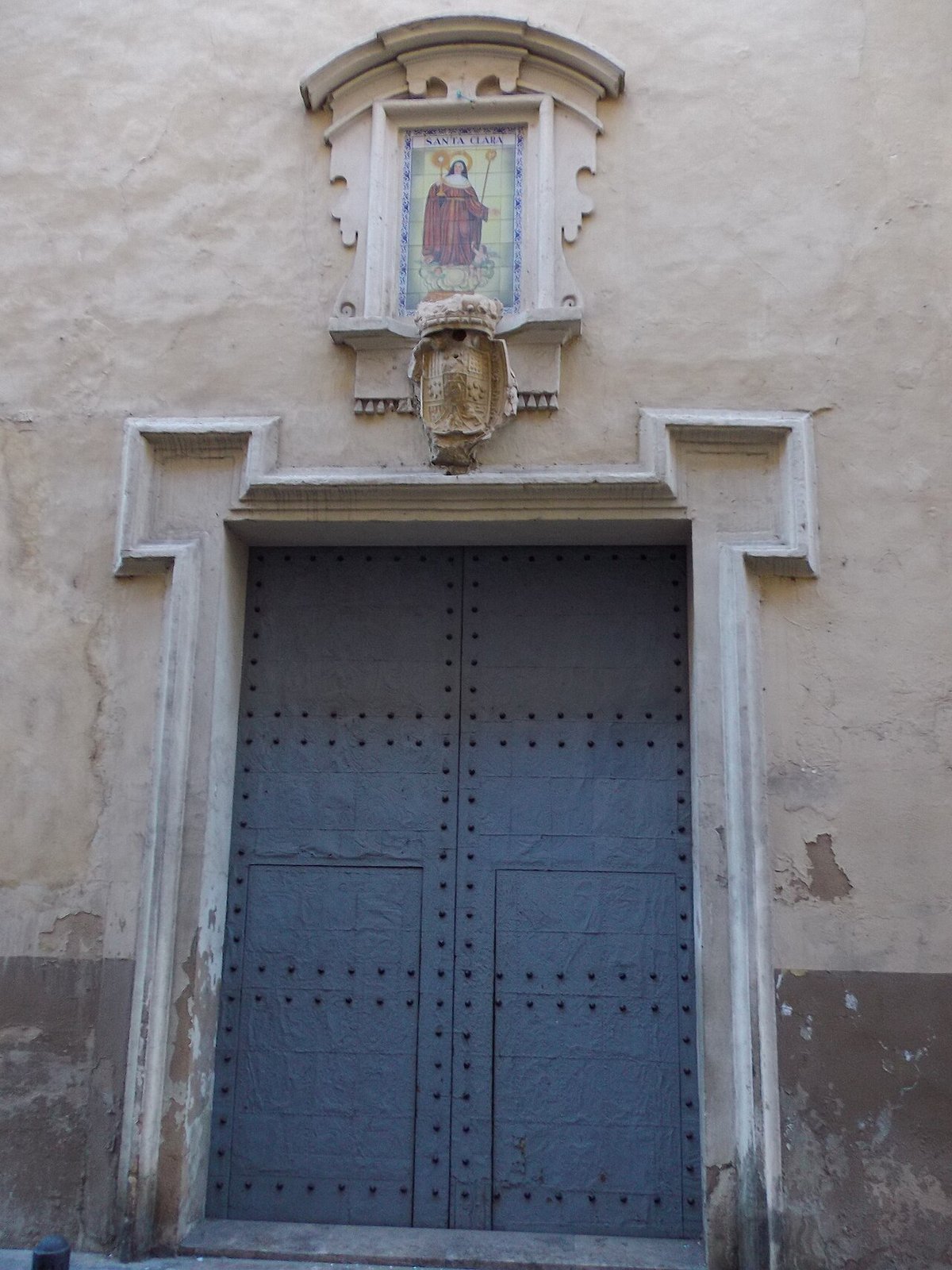
The parish church squats at the centre, its modest bell tower the only vertical punctuation in a landscape that favours the horizontal. Inside, the air smells of beeswax and the stone floors dip slightly where centuries of feet have worn shallow valleys. No audio-guides, no gift shop, just a printed sheet taped to the door listing mass times and a handwritten note asking visitors to switch off their mobiles "out of respect for those who pray".
Walk the streets at siesta time and the village turns itself inside out. Front doors stand open, revealing glimpses of interior patios no larger than a London sitting room. Clotheslines zig-zag between walls; towels flap like surrender flags above pots of mint and rosemary. A woman in house slippers waters geraniums with the slow precision of someone who has nowhere else to be. The only shop still trading sells tinned tuna, torch batteries and the local paper printed in nearby Xàtiva. If you need almond milk or oat flat whites, you're 18 kilometres too far inland.
Working land, honest plates
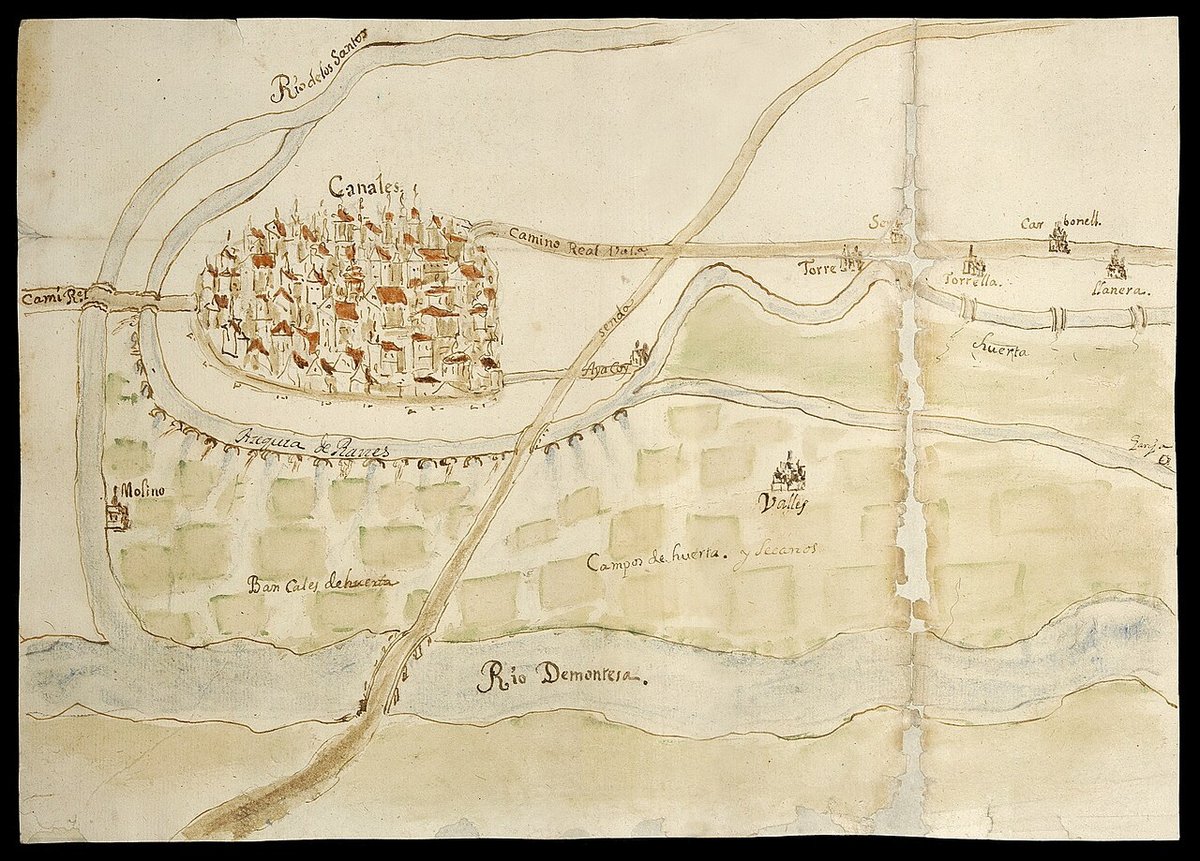
The surrounding fields read like an agricultural ledger. Orange trees occupy the lower, irrigated plots; olives cling to slightly higher ground where water runs off faster. Between them run acequias—stone-sided irrigation channels older than most European capitals—their flow controlled by hand-operated sluice gates that groan like old floorboards. January brings the orange harvest, when tractors towing worn trailers trundle past loaded with fruit that will reach Covent Garden shelves within five days. Come October the same trailers carry crates of olives to the cooperative press in neighbouring Canals; buy a five-litre tin there for €18 and you'll taste pepper and grass before the year is out.
Local cooking relies on what those fields give up. In winter it's spinach and chickpea stew thickened with yesterday's bread, the bowl dotted with bright orange oil pressed three kilometres away. Spring brings artichokes, their leaves stripped and fried until they curl like antique parchment. Summer means tomatoes that split with ripeness, dressed only with salt and a splash of the same olive oil. Ask for a menu and you'll get a polite shrug; meals appear according to what someone's cousin delivered that morning. Vegetarians eat well, vegans less so—lard still sneaks into many bean pots. If you're invited to help with the annual pig slaughter in February, refusal carries no offence; the work begins at dawn and the smell of scalded skin lingers for days.
Walking without the wow factor
This is not the place for Himalayan vistas or selfie-stick summits. What it does offer is flat, way-marked country lanes where the loudest noise is a blackbird arguing with a mistle thrush. A circular route heads south-east for 4 km to the hamlet of La Pobla del Duc, returning along an irrigation track shaded by eucalyptus. The walk takes ninety minutes at British rambling speed, less if you succumb to the Spanish pace: stroll, pause, listen to a neighbour recount whose irrigation turn it is today. Spring mornings smell of orange blossom so strongly it's almost narcotic; by July the same groves bake dry, their scent replaced by hot dust and the citrus snap of rind splitting on the branch.
Birders should bring patience rather than expectation. Crested larks pick along the furrows, serins bounce overhead like thrown golf balls, and in late August honey buzzards drift south along the thermals. You will not tick off lammergeiers or wallcreepers; you might, if you sit quietly by the reservoir 2 km west, watch a kingerver hover before diving for tiny silver fish.
When the village throws a party
Festivities arrive on the feast of St James, 25 July. The single streetlight gets wound with paper flowers, a fairground ride small enough to fit on a Tesco car park occupies the plaza, and the village brass band—average age 67—marches at a tempo that suggests they started rehearsing in June. At 11 pm the mobile disco begins; songs recorded in Madrid studios thirty years ago thump across the rooftops until the mayor, fortified by several gin-and-tonics, declares closure at 3 am sharp. Visitors are welcome, expected even, but there's no programme to buy, no wristband to flash. Donate a few euros to the collection bucket when it passes, accept the plastic cup of warm lager, and you'll be remembered next year.
Christmas is quieter. A nativity scene—belén—takes over one corner of the church, its figurines dressed in robes sewn from curtain offcuts. On 6 January the Three Kings distribute sweets to children who greet them with the bored enthusiasm of kids everywhere. Fireworks consist of a single string of bangers lit outside the bar; the echo dies against the stone walls inside thirty seconds.
Getting here, staying sensible
From Valencia airport hire cars head south on the A-7, peel off at junction 60 for Xàtiva, then follow the CV-675 for twelve minutes. Public transport means a train to Xàtiva—€5.40, fifty minutes—then a Monday-to-Friday bus that leaves at 7.15 am and 2 pm, returning at 1 pm and 6 pm. Miss it and a taxi costs €25. Sunday service is non-existent; plan accordingly.
Accommodation is limited to two village houses legalised for tourism: Casa de la Abuela sleeps four, has Wi-Fi that flickers whenever the microwave runs, and costs €70 a night with a two-night minimum. The other option is five kilometres away in an old mill beside the river, pricier but with a pool deep enough to float away the August heat. Book before April; after that every Spanish cousin has already reserved the free weeks.
Bring cash. The bar's card machine works when the owner remembers to charge it, which is roughly every third Tuesday. Pack shoes that tolerate dust; the lanes are paved with compacted earth that turns to biscuit-coloured powder by August. In winter mist rolls in from the river and can sit until noon—driving sunglasses are useless, a light waterproof useful.
La Granja de la Costera will not change your life. It offers no epiphany, no bragging-rights summit, no cocktail list longer than the local census. What it does give is the rare chance to calibrate your rhythm to a place where the loudest evening sound is the church bell counting the hours, and where the bakery's closing time is announced by the owner leaning out and shouting "¡Ultimo pan!" If that feels like enough, come. If you need more, the motorway back to Valencia opens at six tomorrow morning.