Full Article
about L'Alcúdia de Crespins
Town on the Riu Sants known for the river's natural spring.
Hide article Read full article
La colina y el manantial
El río Sants nace aquí, en un lugar que los mapas registran como El Naixement. Es un río modesto. Apenas tres kilómetros aguas abajo se une al Canyoles, que a su vez desemboca en el Júcar. Pero ese pequeño manantial explica mucho sobre L'Alcúdia de Crespins.
El agua atrae a la gente. La fuente propició un asentamiento temprano, y la colina que se alza sobre ella acabó dando nombre al lugar. En época andalusí se la conocía como Al-kúdya, “la colina”. La segunda parte del topónimo llegó después, cuando la familia Crespí de Valldaura fijó su apellido a la villa en documentos del siglo XVI.
La configuración es simple y lo define todo. Una colina de poco más de cien metros se levanta en medio de tierra fértil, con agua brotando de forma fiable a sus pies. En las cuevas de Majauma y Sants se han hallado cerámicas que apuntan a una ocupación íbera y romana, aunque el poblamiento estable parece consolidarse tras la conquista cristiana.
Durante siglos, una torre vigiló desde lo alto. Controlaba el corredor natural entre la plana valenciana y el interior, camino de Castilla. La estructura fue derribada en el primer tercio del siglo XX y hoy no queda rastro visible. Lo que perdura es la lógica del paisaje: la colina arriba, el agua abajo.
El crecimiento fue lento. A finales del siglo XVIII la población apenas superaba los trescientos habitantes; a principios del XX rondaba los mil cuatrocientos. El término municipal es muy pequeño, poco más de cinco kilómetros cuadrados. No hay monte ni grandes extensiones de secano. Casi todo es regadío. Naranjos, mandarinos y algún bancal de olivos cubren la llanura. Cuando el menea las hojas, se entiende que la huerta sigue marcando aquí el ritmo.
La Venta del Conde y el camino viejo
Antes del ferrocarril moderno, una ruta transitada unía Valencia con la Meseta. Junto a ese camino funcionó la Venta del Conde, una posada para viajeros y diligencias desde el siglo XVIII hasta bien entrado el XX.
Por sus habitaciones pasaron diplomáticos, comerciantes y viajeros románticos. Washington Irving dejó constancia de su parada aquí en el verano de 1829, camino de Granada. También se alojaron miembros de la corte y viajeros extranjeros que recorrieron España durante el siglo XIX.
El edificio se conserva, aunque es propiedad privada. Desde la carretera se distingue el gran portalón y los muros gruesos pensados para cuadras y carruajes. No hay ningún cartel que explique su historia. Sin conocerla de antemano, es fácil pasar de largo sin saber que fue una parada clave en la ruta hacia el oeste.
Las aguas cercanas guardan una distinción más discreta. Fue aquí donde se identificó por primera vez Theodoxus valentinus, un pequeño caracol de agua dulce endémico de esta zona.
San Onofre y el legado de los Crespí
La iglesia parroquial está dedicada a San Onofre. La elección está ligada al señor de la villa en el siglo XVI, Francesc Onofre Crespí de Valldaura, quien financió la construcción del templo y vinculó su advocación al santo que compartía su nombre.
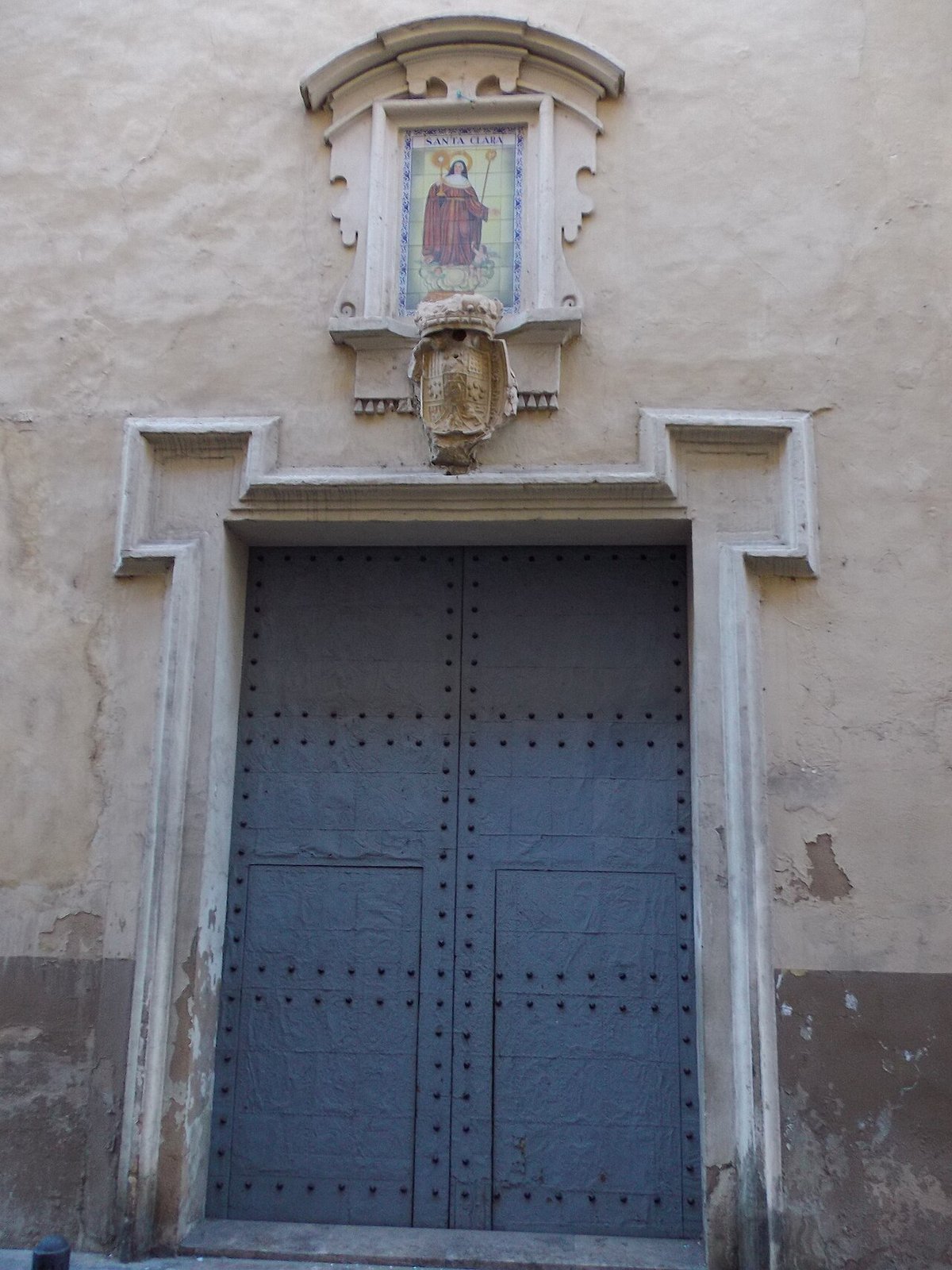
El edificio actual es esencialmente del siglo XVIII. Tiene una sola nave con bóveda de cañón y capillas laterales, una disposición común en la arquitectura parroquial valenciana de esa época. En la fachada, una portada barroca luce el escudo de los Crespí.
En el interior no hay grandes tesoros artísticos, pero se puede ver un retablo de estilo neoclásico y una imagen del propio San Onofre, el eremita egipcio que, según la tradición, vivió décadas retirado en el desierto.
La fiesta local se celebra el 12 de junio. Hay procesión, música de la banda y comidas compartidas en la calle. Sigue siendo una celebración marcadamente local, centrada en los vecinos y los familiares que regresan por un día.
El Naixement, donde empieza el Sants
El nacimiento del Sants está a unos minutos a pie del centro. Hoy se presenta como una balsa circular bordeada de cañas. El agua sale por un conducto de hormigón, aunque el manantial aparece mencionado en documentos que se remontan al menos al siglo XVI.
No es un paisaje espectacular. Aun así, cumple una función práctica. Parte del abastecimiento de agua del pueblo sigue procediendo de aquí. En las mañanas de verano aún se ve a gente llenando garrafas grandes.
La zona cuenta con protección ambiental. Con un poco de quietud, aparecen ranas e insectos acuáticos. Con algo de suerte, se puede distinguir al pequeño caracol Theodoxus valentinus desplazándose con lentitud, como si siempre hubiera pertenecido a este tramo de agua.
Un pueblo para recorrer a pie
L'Alcúdia de Crespins está a unos 58 kilómetros de València por la A‑7 y la CV‑590. El pueblo es compacto y se recorre fácilmente a pie.
La antigua línea de ferrocarril que conectaba esta zona con València dejó de funcionar hace tiempo, así que hoy la mayoría de los visitantes llegan en coche.
Quienes tengan interés por la historia local pueden gestionar a veces una visita, a través del ayuntamiento, al pequeño museo etnológico ubicado en un edificio de la calle Sant Onofre. En su interior hay herramientas agrícolas y fotografías antiguas que ayudan a entender cómo era la vida antes de que la expansión del cultivo de cítricos transformara la economía local.
Todo aquí vuelve a la escala. Un río corto que pronto se une a otro mayor. Una colina baja que sostuvo una torre. Un municipio que cabe en un puñado de kilómetros cuadrados. L'Alcúdia de Crespins no abruma con monumentos ni grandes reclamos. Su relato es más callado, escrito en agua, campos de regadío y un camino viejo que llevaba viajeros entre la costa y el interior peninsular.