Full Article
about Llanera de Ranes
Municipality in La Costera, home to the Luis Perales museum and rooted in farming.
Ocultar artículo Leer artículo completo
The morning mist lifts at 140 metres above sea level, revealing row upon row of citrus trees that stretch from Llanera de Ranes towards the distant Mediterranean. This modest agricultural centre, home to 5,000 souls, sits where the Costera region's fertile plain begins its gentle climb towards the interior mountains. Unlike the coastal resorts 45 minutes east, life here moves to the rhythm of harvest seasons rather than tourist timetables.
The Church Square and Beyond
San Pedro Apóstol's parish church dominates the modest centre, its weathered stone walls testament to centuries of agricultural prosperity and religious devotion. The building's architecture tells a familiar Valencian story—Gothic foundations supporting Baroque additions, with later renovations that added little beyond structural integrity. Step inside during morning mass and you'll hear the same dialect that echoed through these aisles three centuries ago, though today's worshippers arrive on bicycles rather than mules.
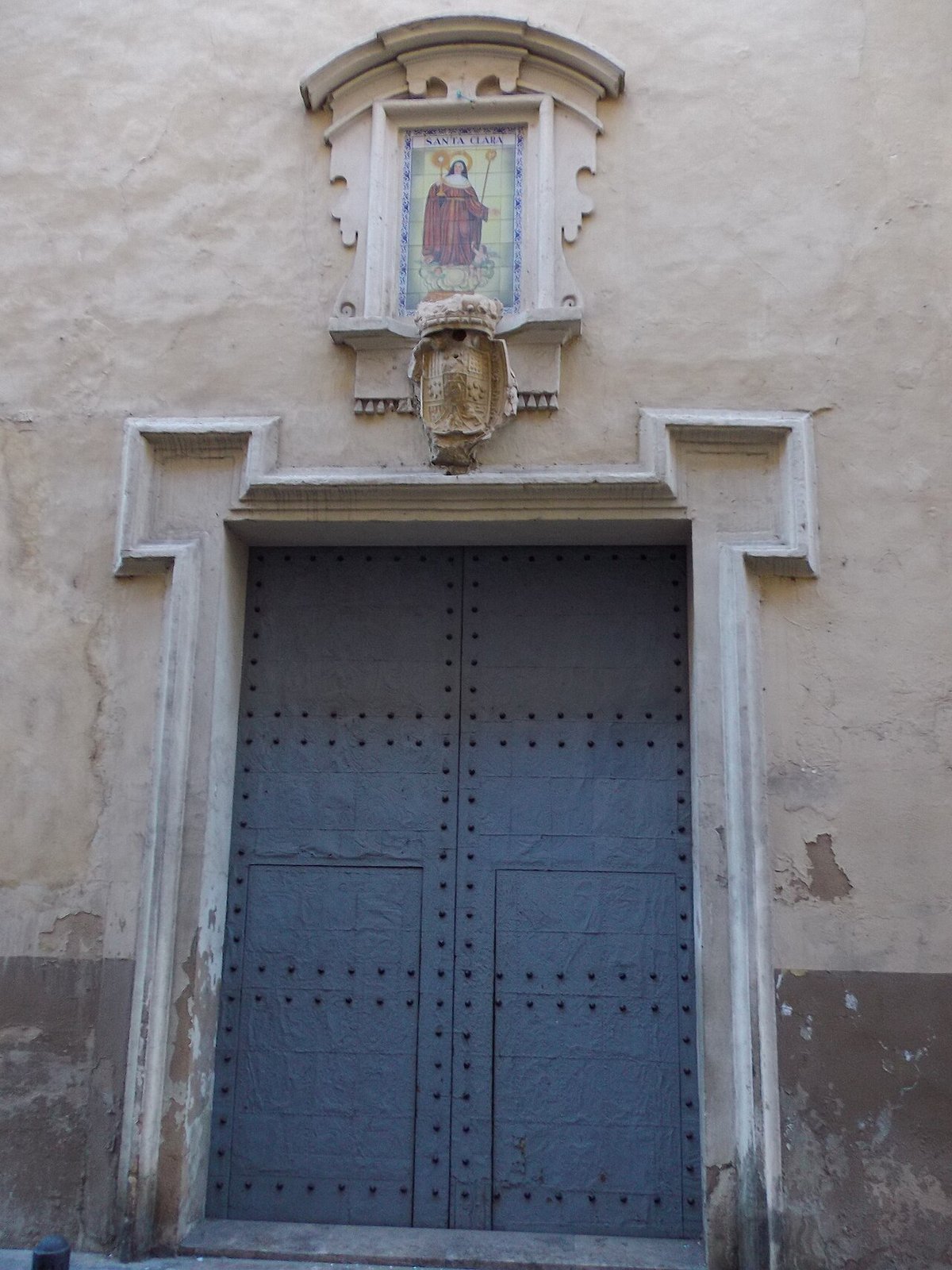
The surrounding streets reveal typical huerta architecture: whitewashed houses with ceramic tiles depicting agricultural scenes, their ground floors once housing livestock alongside families. Many retain the traditional wooden doors large enough for a cart, though today's residents park hatchbacks where oxen once stood. The ceramic workshops that supplied decorative elements have mostly closed, replaced by wholesale suppliers in larger towns, but original tiles still brighten occasional facades with oranges, lemons, and the occasional religious motif.
Wander south towards the agricultural warehouses and you'll discover where the village's real business happens. These functional buildings, painted institutional green or left in bare concrete, process tonnes of citrus fruit during winter months. The air carries a sharp sweetness from essential oils released during packing, a scent that clings to clothing and hair long after departure.
Walking Through the Groves
The Camí dels Tarongers begins where asphalt meets dirt, winding between family plots where three generations might tend the same trees. Spring brings the most spectacular walking, when white blossom transforms the landscape into something approaching an English apple orchard—though the Mediterranean sun ensures temperatures reach 22°C by late April. The path climbs gradually towards the Sierra de la Costera, though you'll gain only 200 metres over three kilometres.
Summer walking requires strategic timing. Start at 7:30am when temperatures hover around 18°C, or wait until 6pm when long shadows stretch across the groves. Midday heat regularly exceeds 35°C between July and August, making the exposed tracks uncomfortable for anyone accustomed to British summers. Carry water—village fountains marked "agua potable" provide safe refills, but shops close between 2pm and 5pm.
Autumn offers the most authentic agricultural experience, when families harvest late-season oranges using long poles with attached blades. The mechanical harvesters used on larger cooperatives sound like distant tractors, their rhythmic thumping carrying across the valley. This is working countryside, not managed landscape. Expect muddy sections after rain, and the occasional friendly dog that regards public footpaths as personal territory.
What You'll Actually Eat
The village's three restaurants serve variations on rice dishes that would be recognisable to anyone who's eaten in Valencia city, but at prices that seem transported from the 1990s. A proper paella for two costs €14-16, though you'll need to order for minimum four people at weekends. The local speciality combines rabbit and snails with beans from surrounding fields—a rustic version that bears little resemblance to tourist-board presentations.
Citrus appears everywhere, though rarely as centre-stage ingredient. Orange zest flavours the local sponge cake, while lemon finds its way into robust rice puddings that finish heavy lunches. The village bakery produces excellent ensaïmadas—spiral pastries that Mallorca claims as native but appear throughout Valencia's interior. Arrive before 10am for the best selection; by lunchtime only the standard white loaves remain.
Drinking follows agricultural patterns. Workers gather at Bar Central from 7am for coffee and brandy before heading to the fields. The concept of breakfast as we understand it doesn't exist—coffee and perhaps a cigarette constitutes the morning meal. Tourists ordering toast at 8am mark themselves immediately as outsiders.
When to Visit, When to Avoid
March through May delivers the most comfortable conditions, with daytime temperatures ranging from 15-25°C and minimal rainfall. The orange blossom spectacle peaks during the last two weeks of April, when entire valleys perfume the air with what locals call "azahar." This is also when village fiestas begin, though celebrations remain primarily for residents rather than visitors.
August brings the major festivals but also the most oppressive heat. Temperatures regularly exceed 38°C, and accommodation within 20 kilometres books solid with Valencian families returning to ancestral villages. Unless you have local connections, visiting during this period means expensive hotels in Xàtiva or Ontinyent, plus crowded roads and restaurants operating at maximum capacity.
Winter access presents challenges. While snow remains rare at this altitude, heavy rain can render rural roads impassable within hours. The village sits below the snow line but above the coastal plain, creating weather that changes rapidly. Check forecasts before travelling between November and February, and carry waterproofs even during apparent clear weather.
Getting There, Getting Around
From Valencia, take the A-7 southwest towards Alicante, exiting at junction 61 for Xàtiva. Follow the CV-643 through equally agricultural villages—each indistinguishable to foreign eyes but fiercely individual to locals. The final approach involves several roundabouts that seem designed to confuse; ignore your satnav's attempts to shortcut through unmade farm tracks.
Public transport exists but tests patience. ALSA operates one daily bus from Valencia's Estació d'Autobusos, departing at 2:30pm and arriving at 4:15pm after stopping at every village along the route. The return journey leaves at 6:45am, making day trips impossible. Sunday service reduces to a single bus each way—essentially useless for tourists.
Car hire remains essential for exploring beyond the village centre. Local roads, while paved, suffer from agricultural traffic that creates potholes faster than councils repair them. A standard hatchback suffices, though the occasional dirt track to particularly remote farmhouses requires careful navigation. Park where locals park—apparently random spots that somehow don't obstruct anyone's access.
Llanera de Ranes won't change your life. It offers no Instagram moments or bucket-list experiences, just the slow rhythms of agricultural Spain continuing as they have for generations. Come for the orange groves, stay for the rice, leave understanding that not every Spanish village needs to be "discovered" to retain its soul.