Full Article
about Llocnou d'En Fenollet
Small farming town in La Costera with a rural feel
Ocultar artículo Leer artículo completo
The morning light catches the whitewashed walls differently here. While British number plates clog the coastal roads towards Denia and Calpe, Llocnou d'En Fenollet sits 75 metres above sea level, its orange groves releasing perfume into air that hasn't been thickened by exhaust fumes or fried seafood. This is the Valencia that package holidays miss entirely.
The Moorish New Town That Isn't New
The name deceives. "Llocnou" derives from Arabic—"al-luknaw" meaning new place—though the village has carried this label since Moorish farmers first irrigated these plains a millennium ago. The suffix "d'En Fenollet" arrived later, tagging on the medieval landowner who controlled these fertile hectares when James I of Aragon wrestled the territory from Muslim rule. Today's 900 inhabitants live among layers of history that most visitors speed past on the A-7, unaware that twenty minutes inland lies a working agricultural community where the town hall still posts orange prices on its noticeboard.
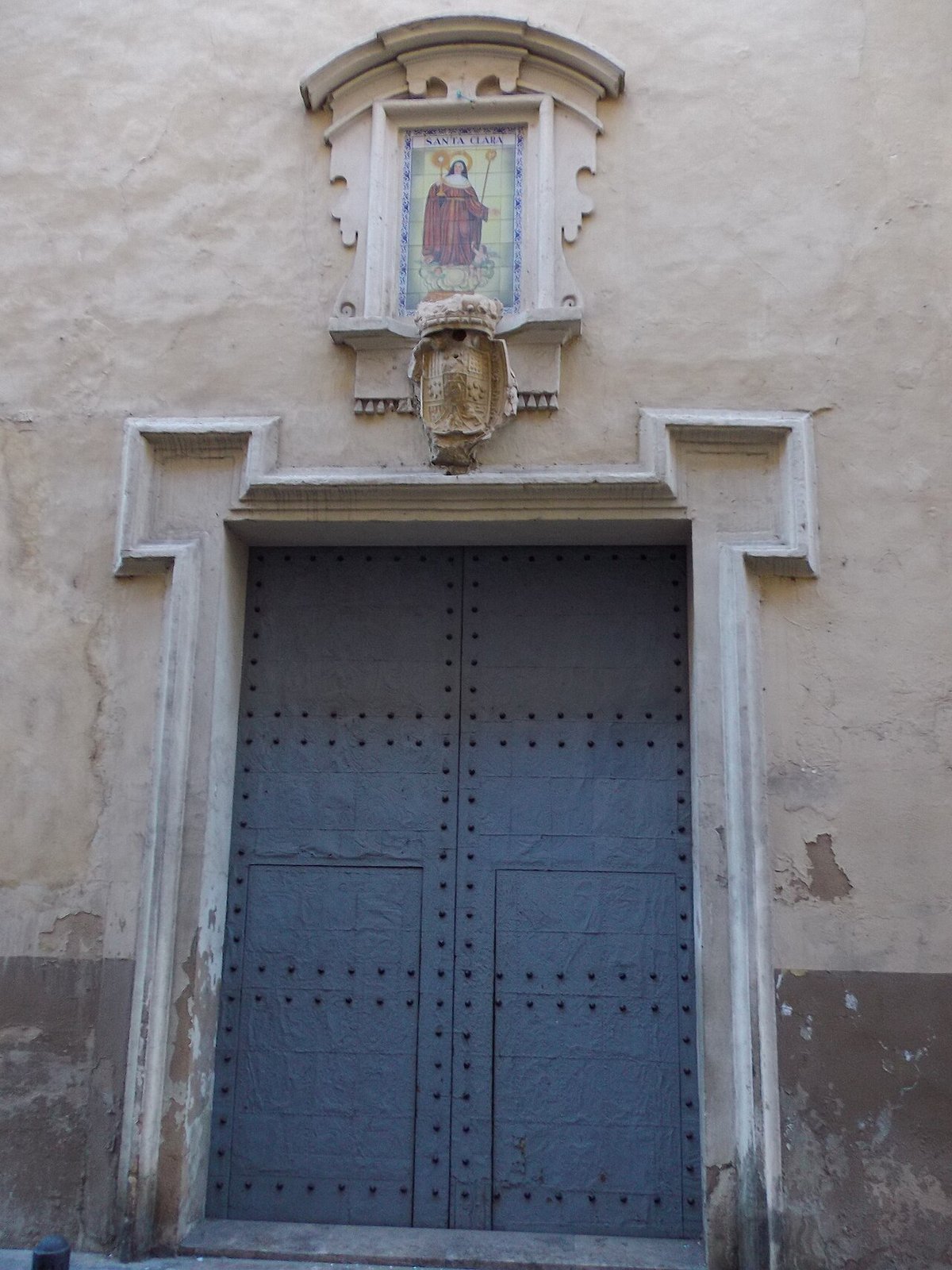
The urban fabric remains essentially medieval: narrow lanes radiating from the parish church square, where elderly men occupy the same stone benches their grandfathers warmed. Architecture enthusiasts will notice the distinctive Valencian portals—semicircular arches framing doorways painted Mediterranean blue or oxidised green, depending on family tradition. First-floor balconies, their ironwork more functional than ornate, support cascading geraniums that survive the dry summers through careful husbandry rather than automatic irrigation systems.
Between the Blooms and the Harvest
Agricultural time rules here. From late February through April, the orange blossoms release such concentrated sweetness that morning walks become almost narcotic. The groves stretch to every horizon, broken only by the occasional carob or olive tree that survived the 20th-century citrus boom. These aren't postcard-perfect orchards—branches show pruning scars, irrigation channels run muddy, and fallen fruit attracts wasps—but they represent an agricultural system that has fed Valencia since Roman times.
The harvesting season runs November through May, when tractors hauling half-tonne crates narrow the already tight village streets. Visitors during these months can buy oranges directly from cooperative warehouses at the edge of town—typically €2-3 for five kilograms, though prices fluctuate with European demand. The local variety, late-season navel, carries more acid than supermarket specimens; Valencians insist this proper tang makes superior marmalade.
Walking tracks, really just farm access roads, radiate from the village centre. These offer flat, waymarked routes of three to eight kilometres through alternating irrigation zones. Spring mornings deliver the best conditions—temperatures hover around 18°C before the inland heat builds. Summer walking requires early starts; by 11am, temperatures regularly exceed 34°C and shade exists only where irrigation channels support plane tree plantings.
What Actually Happens Here
The church bell still marks agricultural time—7am call to work, noon lunch, 8pm social gathering in the square. British visitors expecting tapas trails or boutique shopping will find neither. Instead, Bar Central serves coffee from 7am alongside thick toast rubbed with tomato and draped with local oil. The oil matters—Llocnou's cooperative produces a peppery extra-virgin from century-old trees, sold in unlabelled bottles that cost €4 and disappear quickly into expat kitchens in nearby Gandia.
Saturday morning brings the mobile fish van from Valencia's port. Parked in the main square from 9am until produce sells out, it represents the week's only seafood offering—proof that despite being 35 kilometres inland, Mediterranean diet traditions persist. Locals queue early for dorada and lubina; arrive after 10am and selection reduces to frozen hake and anchovy tins.
The village maintains one restaurant, Casa Blanca, open Thursday through Sunday lunchtimes only. The menu del dia costs €12 and changes according to what local gardeners bring in—perhaps artichoke rice in April, tomato and pepper stews in August, game from nearby hunting reserves during winter months. Dinner service doesn't exist; Valencian village eating follows the sun, not tourism schedules.
When the Valley Fills With Sound
August transforms the agricultural rhythm. The fiestas patronales occupy the final week, when the population temporarily triples as extended families return. Morning processions feature brass bands playing pasodobles slightly off-key, followed by paella competitions in the sports ground—each extended family defending their rice technique with the seriousness of religious doctrine. Evening verbenas see the main square cleared for dancing; elderly couples demonstrate proper bolero steps while teenagers cluster at edges, phones recording traditions they'll later claim to reject.
The noise levels shock those who arrived seeking rural tranquility. Fireworks begin at 8am and continue past midnight. The church bell, already generous with its timekeeping, achieves new frequencies of enthusiasm. Accommodation becomes impossible—village houses fill with cousins, the single hostal books months ahead, and nearby towns raise prices for the displaced.
Winter offers different challenges. November through February brings the gota fría—cold drop storms that can dump 200mm in 24 hours. The agricultural landscape, so charming under spring blossoms, becomes a muddy expanse where tractors churn fields into impassable bogs. Walking tracks disappear under irrigation overflow; the village itself, built on slightly raised ground, becomes an island accessible only via main roads.
Getting Here, Getting Fed, Getting Real
Access requires wheels. From Valencia, take the A-7 south towards Alicante, exit at Xeraco, then follow CV-675 for twelve kilometres through increasingly intensive agriculture. Public transport stops at nearby Gandia—buses run every two hours, but Sunday service doesn't exist. Car hire from Valencia Airport costs around €30 daily; the drive takes 55 minutes unless orange trucks slow the winding final approach.
Accommodation options remain limited. Two village houses offer Airbnb rentals at €45-60 nightly—traditional layouts with internal courtyards, modernised kitchens, and the original well now covered with glass panels. Book ahead during blossom season; photographers block weekends from March onwards. The municipal hostal provides basic doubles at €25, though shared bathrooms and 10pm curfews suit pilgrims more than holidaymakers.
Llocnou d'En Fenollet won't suit everyone. Those requiring evening entertainment, varied dining, or Instagram-ready aesthetics should stick to the coast. But for travellers seeking to understand how inland Valencia actually functions—how agricultural communities maintain identity despite urban drift, how medieval planning copes with modern vehicles, how the scent of orange blossom becomes mundane through daily exposure—this village offers authenticity without performance. Just remember: the oranges you breakfast on might have hung outside your bedroom window the previous afternoon, and the elderly woman who served your coffee probably helped harvest them.