Full Article
about Mogente/Moixent
Known for the Iberian settlement of La Bastida de les Alcusses and the Warrior of Moixent
Hide article Read full article
That town your friend keeps telling you to see
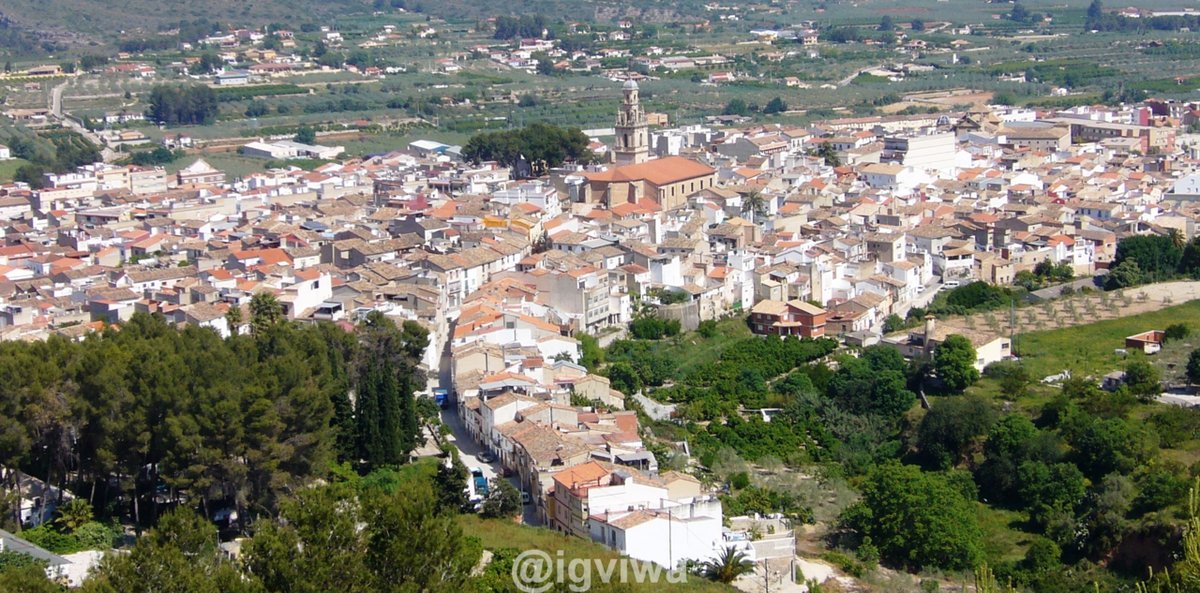
You know how it is. A mate mentions a place a few times, you nod and say "yeah, I should go," and then years pass. For me, that was Moixent. It's not far from Valencia, the name pops up now and then, but you always end up going somewhere else. I finally drove over, and my first thought was: this is just a normal town. And that’s kind of the point.
What you get here isn't postcard drama. It's vineyards, dry fields, and a castle on a hill that looks like it's still keeping an eye on things. The pace is set by the sun and the harvest, not by a tourist schedule.
The little warrior who moved to the city
Everyone here brings up the Guerrero de Moixent sooner or later. It’s not a person, but a small bronze Iberian statue from about 400 BC they dug up locally. The original now lives in a museum in Valencia, which locals talk about with a sort of resigned pride, like a talented kid who left for a big job in the capital.
To see where it came from, you drive out to La Bastida de les Alcusses. Don't expect a grand entrance. It's just a wide hill with some low stone walls and information panels that explain where houses and streets once were. There’s no ticket booth, just silence and wind. You walk around at your own speed, trying to picture people living up here two millennia ago. It didn't last forever, but it lasted long enough to leave a mark.
The castle watchtower and the grapes nobody knows
That castle you see from the road? It’s worth the climb. The foundations are Moorish, and when you get up there the reason for the location is obvious: you can see across half the comarca. It gives you the lay of the land.
Down below is wine country. Among the almonds and olives are vineyards growing grapes with names like forcallà or bonicaire. They’re old local varieties that most people have never heard of, which some winemakers are stubbornly sticking with.
Visiting a bodega here feels less like a tour and more like chatting in someone's garage or storeroom. It's informal. You taste, they explain why they bother with these difficult grapes, and if you hang around long enough talk usually turns to food. In winter, that means gatxamiga—a thick, garlicky paste of flour, oil, and bread that sits in your stomach like a warm brick. You'll need a siesta afterwards.
Festivals where you recognise half the people
If you want to see the town switch gears, come for Moros y Cristianos in late August. The main street fills with noise, gunpowder smoke, and people who've come back home just for this. It’s not as colossal as in Alcoy or other bigger towns; it feels more like a family reunion where some family members dress in medieval costume.
The summer quintà festivals run by the town's youth have that same local vibe. And in January, for San Antonio Abad, they bring animals to be blessed in the plaza and burn piles of rosemary until the smell gets into your clothes. It’s not put on for show; it’s just what they do.
Walks where you forget to turn back
For an easy stroll, take the Pasillo Verde. It's an old railway line turned into a gravel path—completely flat—that cuts through almond groves and fields. It’s one of those walks where you say "just to that bend" and end up an hour down the line without noticing.
If you want your legs to feel it, head up towards Alto del Moro past an old forestry house. The landscape changes to pines, and from the higher points you can really see how everything fits together. Bring water. The sun here doesn't mess around.
A place that isn't waiting for you
What stuck with me about Moixent is that it doesn't seem to care if you visit or not. Life carries on: early morning clatter from cafes, tractors heading out before dawn, the smell of baking bread from a panadería. If you want something to take back? A bottle of local wine maybe, or whatever fruit is in season.
You can find quiet easily here—in one of those small protected flora reserves scattered around the municipality or just walking any path into the scrubland where all you hear are your own footsteps.
Moixent won't grab you by the collar. It's more subtle than that. You understand it by walking its paths slowly or sitting in its plaza without checking your phone too often