Full Article
about Montesa
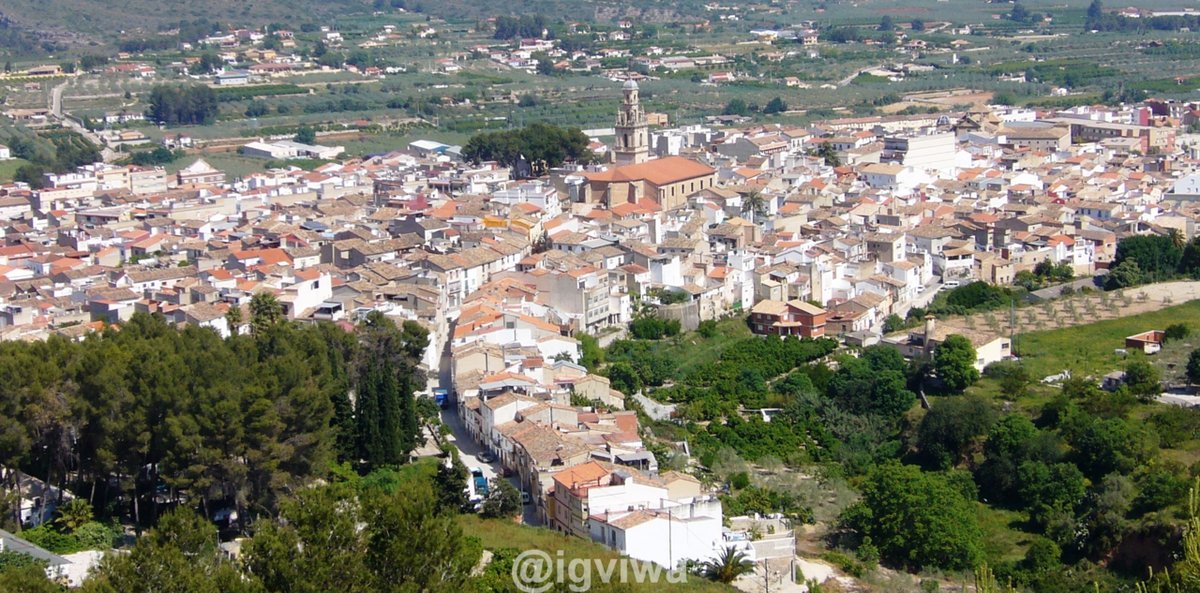
Historic seat of the Order of Montesa with the ruins of its imposing castle
Hide article Read full article
My rental car’s GPS gave up about two kilometres out. The screen flickered, then just showed a blue dot hovering in a sea of green—the orange groves of La Costera. I followed the road as it began to curl uphill, and there it was. Not a postcard view, but a stark one: the broken silhouette of Montesa’s castle, like a crown that had been dropped and cracked.
This is Montesa. A village of just over a thousand people where the main event is a ruin, and lunch tastes like the landscape feels.
Walking Through a Broken Puzzle
The path up to the Castillo-Convento isn't long, but it’s all uphill. You feel it in your calves. What you find at the top isn’t a restored monument; it’s more like stumbling onto a giant, forgotten game of Jenga. Walls three metres thick stand next to gaps where floors used to be. The story goes that an earthquake did this in the 1700s, and honestly, looking at the split stones, you believe it.
It was the headquarters for the Order of Montesa, a knightly bunch who took over after the Templars left. They picked this hill for a reason. The view from here isn't pretty; it's strategic. You see every road, every field for miles. It explains why they built something so massive here in the first place.
Now, it's quiet. Just wind, a few lizards sunning themselves on warm stone, and that feeling you get in places where history is more about absence than preservation.
A Bowl That Feels Like Fuel
Climbing back down makes you hungry in a specific way. You don't want something delicate; you need something that feels like replacement parts. In Montesa, that's olla de Montesa.
It's a stew built for work. Chickpeas, turnips, pork, and cardet, which is a local thistle that gives it a faint, green bitterness. There's no chef's twist here. It tastes like exactly what it is: food designed to stick to your ribs after hours outside.
Then there's coca de ceba. Imagine if onion decided to become caramel and sat on flatbread. It’s sweet, savoury, and deeply simple. You won't find this version much outside these few towns.
The Pace of the Place
Montesa doesn't have gift shops or a curated historic quarter. It has streets where life happens on doorsteps in the evening.
If you need to move after eating, there's an old route connecting some hermitages behind town—Santa Cruz and el Calvario are two of them—on paths through the fields.It’s not hiking; it’s more of an amble with slight inclines and views back toward that broken castle on the hill.
From up there at Santa Cruz hermitage you get it completely.The castle hill isn't scenic backdrop;it's always been a watchtower.This whole place feels practical before anything else.
So Is It Worth The Detour?
Come for an afternoon.Bring water for the climb up to the castle ruins.The sun here doesn't play around.Wear shoes that can handle rubble and dirt tracks.Autumn is good.The heat backs off and the groves are heavy with oranges.The village feels even more itself.
Montesa won't dazzle you.It shows you thick walls broken by geology,a meal that tastes like hard work,and silence that feels earned.It's for when you want the GPS to be wrong,and to find something where nothing seemed to be