Full Article
about Novetlè
Small municipality next to Xàtiva with metal industry and quiet.
Hide article Read full article
A village that quietens with the light
Towards the end of the day, when the sun drops behind the nearby hills and the air begins to cool, Novetlè settles into a near silence. A shutter lifts somewhere, a television hums behind a closed door, and in spring the scent of orange blossom drifts in from the surrounding fields. That moment captures the place well. Tourism in Novetlè is not about sights to tick off, but about a small agricultural village where daily life still sets the pace.
Novetlè sits in the comarca of La Costera, very close to Xàtiva, with a population of around a thousand. Its municipal area is small and closely tied to farming, especially citrus crops. From almost any street in the centre, rows of orange trees begin just beyond the last houses, blurring the line between village and farmland.
Sant Pere and the heart of the village
At the centre of Novetlè stands the parish church of Sant Pere. It is not a grand or imposing building. Instead, it has a restrained appearance, shaped and altered over time. Its tower rises above the rooftops and acts as a simple point of reference when walking through the narrow streets nearby.
Inside, the atmosphere is usually calm, with soft light filtering through the windows. It feels like a space still woven into everyday life rather than a place set apart for visitors.
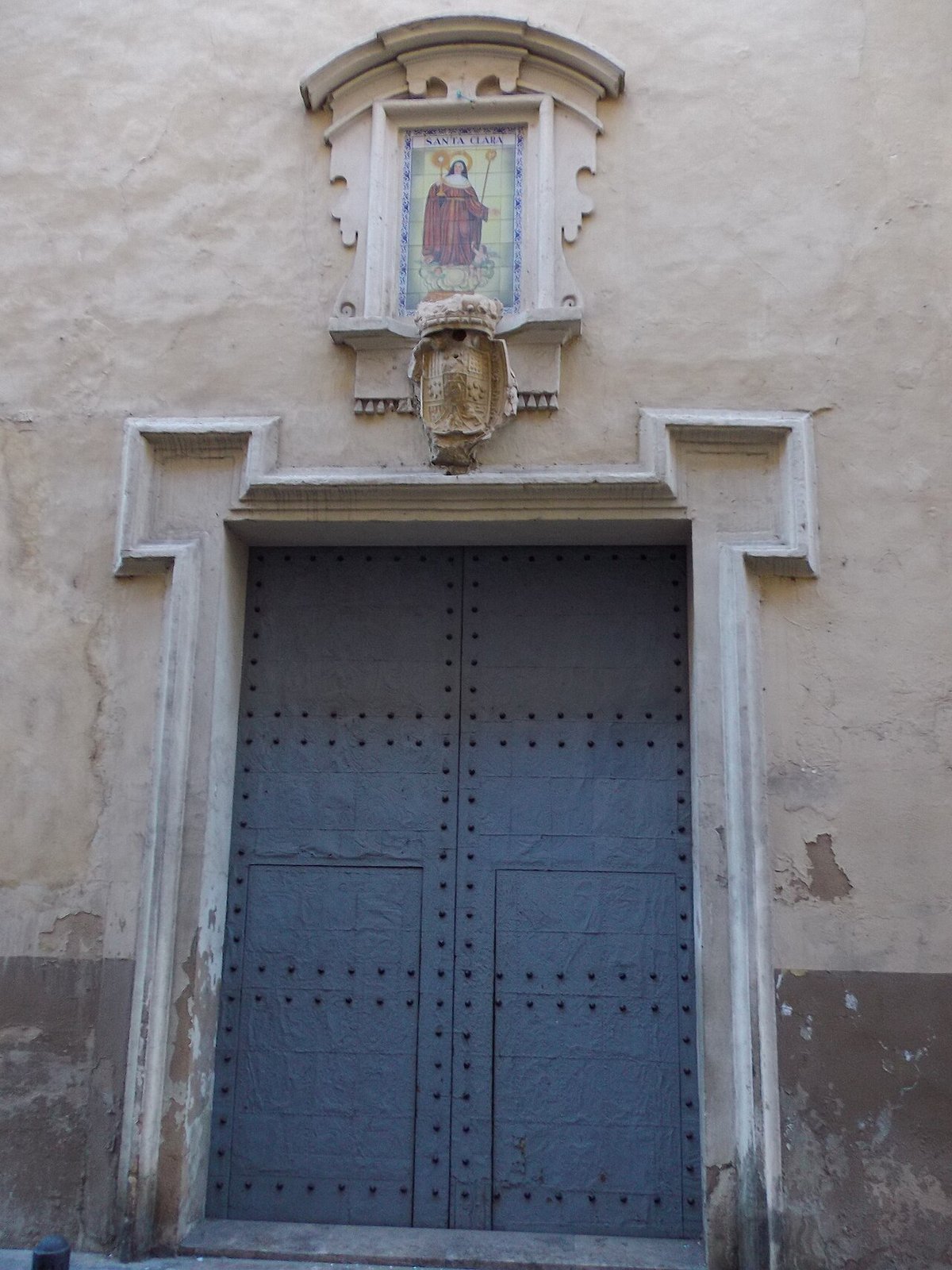
Around the church are some of the oldest streets in the village. Whitewashed façades line the way, with wooden doors worn by years of use and iron window grilles casting thin shadows across the walls when the sun drops at an angle. It is a compact area, easy to walk through slowly, noticing small details rather than any single landmark.
Streets shaped by heat and habit
Novetlè can be explored on foot in very little time. Calle Mayor and the streets branching from it follow a short, slightly irregular layout typical of agricultural villages in this part of the Comunidad Valenciana.
Many houses include an inner courtyard or a small corral. In some open doorways, wooden beams are still visible. These features make sense in summer, when thick walls help keep interiors cool and narrow streets create shade. Air moves more easily through these spaces towards the end of the day, offering some relief from the heat.
Mid-afternoon brings the most visible activity. A neighbour might place a chair outside and sit chatting while the occasional car passes. There is no rush to the rhythm of the place, just small moments of interaction that repeat day after day.
Orange groves at the edge of every street
A short walk of five minutes is enough to leave the built-up area and step into the surrounding farmland. Agricultural paths run between plots of orange and lemon trees, divided by irrigation channels known locally as acequias and low earth boundaries.
In spring, the scent of orange blossom reaches well into the village itself. During the harvest season, boxes are often stacked along the paths and tractors move steadily in and out of the fields. The activity is practical and seasonal, tied closely to the land.
These are not signposted walking routes, but several rural tracks can be followed on foot or by bicycle without difficulty. The terrain is flat and distances are short. In summer, it is best to go early in the morning or later in the evening, as the heat builds quickly from midday and there is little shade outside the groves.
The square and an unhurried pace
The main square in Novetlè functions more as a meeting point than a tourist space. There are stone benches, a few trees providing shade, and a steady flow of neighbours stopping to talk without any urgency.
As evening approaches, the square becomes livelier. Children play, people return from work in Xàtiva or from the fields, and conversations stretch out as the light fades. It is a gentle kind of activity, rooted in familiarity rather than entertainment.
Anyone looking for busy nightlife or rows of open shops will not find that here. Novetlè maintains a notably calm pace, and that sense of quiet continuity is part of its character.
Local celebrations and shared traditions
Festivities in Novetlè are closely linked to the parish and to the agricultural calendar. The celebrations dedicated to Sant Pere, the village’s patron saint, usually take place towards the end of June. They include religious events alongside activities organised by local residents.
At other times of the year, smaller gatherings appear, often connected to farming or to local associations. These are not large-scale events designed to attract crowds. Instead, they are occasions that reinforce community life and keep traditions active in a modest, familiar way.
When to visit Novetlè
Spring is probably the most pleasant time to walk the surrounding paths. Orange trees are in bloom and temperatures remain mild, making it easier to spend time outdoors.
Summer brings intense heat during the middle of the day, so early mornings and late evenings are more comfortable for moving around. In winter, the atmosphere becomes especially quiet. On some days, the village seems almost paused, with very little movement in the streets.
Novetlè can be reached by car from the city of Valencia in just over an hour, usually passing through the area around Xàtiva. It works best as a short stop rather than a destination for several days. The experience lies in slowing down and noticing small details: light falling on white walls, the scent from the fields, and the brief stillness that settles in as evening arrives.