Full Article
about Vallés
Small rural municipality beside the Cànyoles river
Ocultar artículo Leer artículo completo
The church bell strikes noon, and the only other sound is gravel crunching under your boots. Valles doesn't do background noise. At 98 metres above sea level, in the heart of la Costera comarca, this village of 150 souls spreads across four streets and endless agricultural patchwork. No souvenir shops. No interpretive centres. Just Mediterranean rural life continuing as it has for generations, with the occasional curious visitor who has learned that sometimes the best destinations are the ones that never asked to be one.
A Village That Never Learned to Shout
Valles sits where almond groves meet cereal fields, 70 kilometres south of Valencia city. The A-7 motorway whisks you down in an hour, but the last stretch requires patience. Country lanes narrow as you approach, mobile signal flickers, and suddenly you're negotiating streets designed for donkeys, not hatchbacks. Parking means finding a gap between farm vehicles outside the single bar that opens when someone's thirsty.
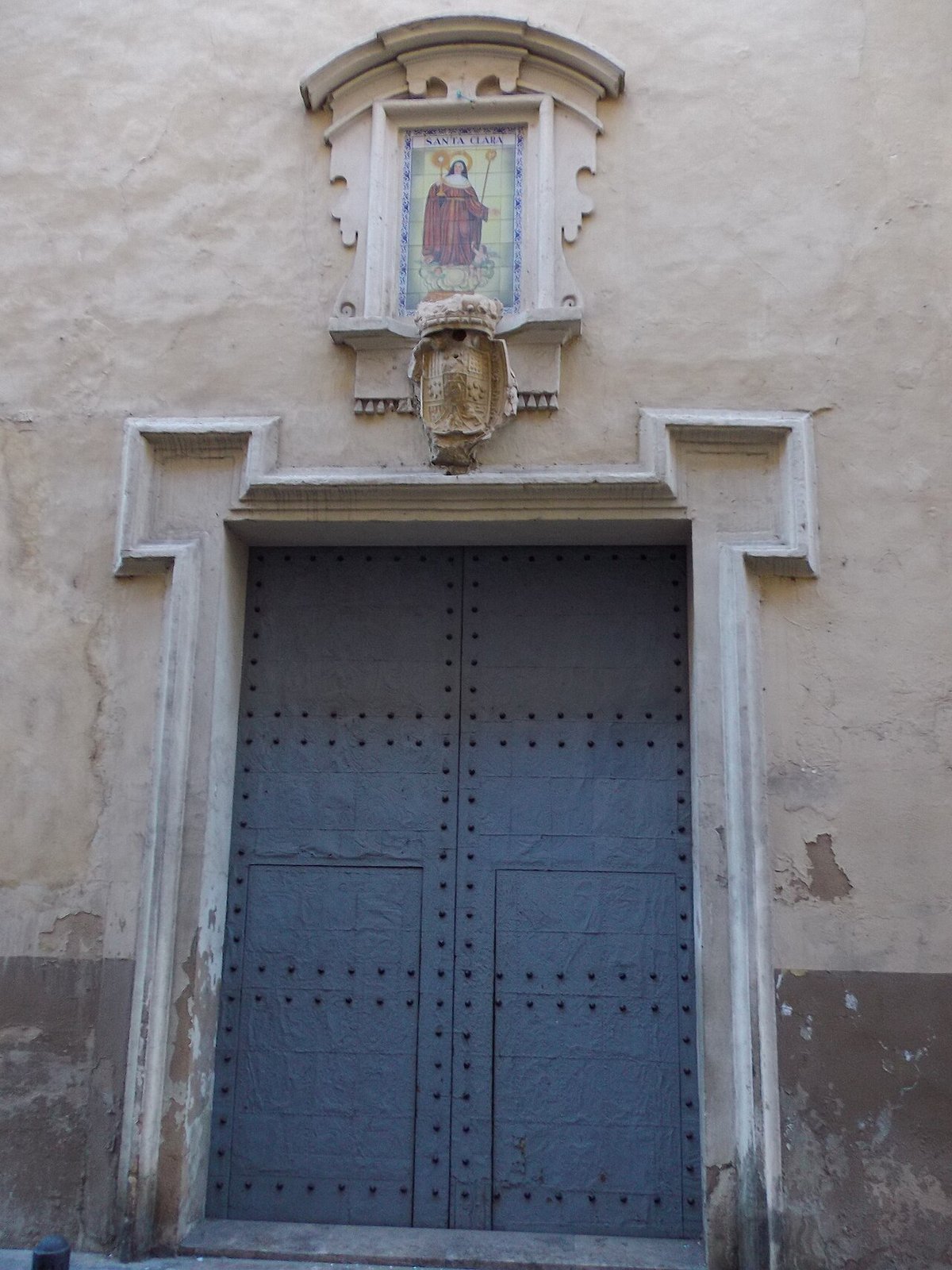
The architecture won't make guidebooks swoon. Whitewashed houses with Arabic tiles line streets barely two metres wide. Wooden doors hang slightly askew, their ironwork handmade by local blacksmiths whose workshops still operate from converted stables. It's authentic in the way that word gets abused elsewhere—here, renovation means replacing roof beams with timber from the same forest that supplied the originals. The parish church anchors everything, its stone walls recording centuries of modifications like geological strata. Step inside and you'll find more dust than gold leaf, more sincerity than spectacle.
What Valles offers instead of monuments is rhythm. Agricultural time. The fields change colour with textbook precision: spring greens give way to summer gold, autumn brings vineyard reds, winter reveals the soil's raw umber. Farmers still judge lunch breaks by sun position, not smartphone alarms. When the almond trees flower in March, entire families emerge to photograph blossoms that last barely two weeks. Come September, those same trees drop nuts that appear in village kitchens within hours.
Walking Into the Horizontal Landscape
The Costera's rolling farmland provides Valles with its natural playground. No dramatic peaks here—the highest point rises just 400 metres above your starting elevation. Instead, think Constable landscapes translated into Mediterranean palette. Dry-stone walls divide properties where cereal crops alternate with olive groves. Traditional irrigation wells dot the fields, their stone mouths weathered smooth by centuries of rope friction.
Walking routes exist more as agricultural tracks than marked trails. Head west from the village and you'll follow paths wide enough for tractors, passing corrals where sheep stare with practiced indifference. The going stays gentle—this is heart-attack country for serious hikers, paradise for amblers who prefer contemplating wheat fields to gasping up mountains. Bring water; there's no café awaiting your arrival. Do ask permission before photographing farm buildings; many remain private property where dogs work for a living and strangers warrant investigation.
Cycling works better than walking for covering ground. Mountain bikes handle the rough tracks, though road cyclists find smooth asphalt connecting Valles to neighbouring villages five kilometres distant. Early mornings reward with mist rising from valleys, photographers capturing that golden hour light that makes ordinary furrows look profound. Mid-summer requires strategy—temperatures hit 35°C by eleven, sending sensible visitors back to shaded plazas until evening releases the land from solar grip.
Eating What the Land Decides
Valles doesn't do menus. Dining means knowing someone who knows someone's grandmother, or arriving during festival weekends when houses open to strangers with rural hospitality that predates tourism departments. The cuisine follows agricultural calendars religiously. Spring brings wild asparagus gathered from roadside ditches, scrambled with eggs from chickens whose names you learn over lunch. Summer tomatoes arrive in quantities that assume you'll be preserving, not just tasting. Autumn mushrooms appear according to rainfall patterns discussed with weather-beaten seriousness in the bar.
Traditional dishes arrive unadorned by presentation anxiety. Rice with vegetables tastes of produce picked that morning. Bean stews simmer for hours while conversations meander similarly. Homemade sausages hang in kitchen doorways, their curing process measured in village gossip cycles rather than calendar days. Desserts mean almond tarts using nuts from trees you walked past entering town, honey from bees that spend their working lives within sight of your plate.
The village maintains one proper restaurant, open Thursday through Sunday, where €12 buys three courses and a carafe of local wine. Reservations aren't taken—turn up, wait your turn, accept that lunch lasts until the cook decides otherwise. Vegetarians face limited options; this is meat-and-three-veg territory where requesting quinoa marks you immediately as foreign. Payment remains cash-only; the nearest ATM stands fifteen kilometres away in Xàtiva.
When the Village Throws a Party
Festivals transform Valles from quiet to merely less quiet. Summer patronal celebrations concentrate activity into three July days when population temporarily triples. Streets fill with neighbours who've moved to cities returning to prove they haven't forgotten roots. Traditional Valencian music pumps from speakers balanced on balconies, though volume stays considerate—grandmothers need their afternoon sleep regardless of festivities.
January's San Antonio bonfires mark agricultural New Year with flames that consume last year's pruning. March almond blossom festivals attract photography clubs from Valencia, their tripods occupying viewpoints locals have used since childhood. Autumn harvest gatherings happen whenever crops dictate, meaning dates shift annually. These aren't tourism events—visitors witness rather than participate, welcomed but not catered to. Accommodation means staying in Xàtiva or Canals, driving back after celebrations end when streets return to silence and the only light comes from stars undiminished by streetlamps.
The Practical Reality Check
Valles challenges visitors seeking amenities. No hotels exist within village limits. The nearest petrol station requires a twenty-minute drive. Mobile coverage depends on your provider and whether the farmer's wife is using the microwave. Summer heat becomes oppressive—visit May or October for walking weather that won't hospitalise. Winter brings surprisingly cold nights; houses lack central heating, their stone walls designed for summer cool retention rather than winter warmth.
Yet these apparent limitations define Valles' appeal. In an era where authentic increasingly means curated, here's a place that never learned to perform for visitors. Come prepared to slow down, to accept that nothing happens quickly, to recognise that watching wheat sway in breeze constitutes legitimate afternoon activity. Bring walking boots, Spanish phrasebook, and expectations adjusted to field pace rather than city speed.
Leave before darkness falls unless you've arranged accommodation—country lanes without lighting require local knowledge. Drive carefully; those tractor drivers have right of way established over centuries. And remember: in Valles, you're not discovering anything. The village was here before you arrived, will remain after you leave, and the almond trees will bloom next March whether anyone witnesses or not. Sometimes that's exactly the point.