Full Article
about Xàtiva
Monumental city with an impressive castle and a historic center declared a historic-artistic site.
Ocultar artículo Leer artículo completo
The painting hangs upside-down in a dim corner of the Almudín museum, a deliberate act of defiance that's lasted three centuries. King Felipe V's inverted portrait tells you everything about Xàtiva: this is a place where memory matters, where locals still punish a long-dead monarch for burning their city in 1707. It's this stubborn streak that separates Xàtiva from the polished heritage towns closer to Valencia's coast.
The Castle That Commands Respect
From the train window, the fortress appears first – a sandstone wave breaking across the ridge above town. The walk up takes thirty-five minutes through olive groves and pine scrub, steep enough to make British legs question their life choices in July heat. Smart visitors wait for the tourist train that rattles up twice daily from Plaça del Mercat, saving sweat for the ramparts themselves.
Inside, you're paying €2.80 for what might be Spain's best-value monument. Two distinct castles occupy the summit: the smaller Castell Menor contains Iberian foundations and Roman stones, while the larger Castell Mayor sprawls across the ridge with walls you can walk for a kilometre. The 360-degree view explains why everyone from Romans to Napoleon's troops wanted this hilltop. Orange groves checker the plain below, the Xúquer river coils towards the Mediterranean, and on clear days you can spot Valencia's skyline fifty kilometres away.
Bring water. The café closed at 4 pm last Tuesday, leaving a party of overheated Mancunians negotiating with a vending machine that only accepted exact change.
Streets That Won The Lottery, Then Refused to Change
Down in the old town, Xàtiva's wealthy past shows in unexpected places. The Hospital Real, now the ajuntament, sports Renaissance courtyards where councillors smoke between meetings. Around the corner, the Colegiata de Santa María rises in proper Valencian Gothic, its bell tower visible from every alley like a medieval GPS beacon. Step inside during evening mass and you'll find locals who've occupied the same pews for forty years, nodding at tourists with the weary tolerance of people whose church isn't a heritage attraction.
The Borja family left their mark here before they became Europe's most notorious Renaissance dynasty. Their birthplace on Carrer dels Borja is now a small museum, but locals prefer telling you about Pope Calixtus III's less saintly habits over coffee at Café Londres. The route connecting Borja sites winds through the medieval quarter, past bakeries that still sell arnadí – a Moorish pumpkin-and-almond sweet that tastes like Christmas arrived six months early.
When Everything Stops
British visitors learn quickly that Xàtiva runs on Spanish time, but more extreme. Shops pull down shutters at 1:30 pm and stay dark until 5 pm. Trying to feed children before nine o'clock requires military planning or a sympathetic hotel kitchen. The cafetería opposite the station does toasties and proper Swiss hot chocolate for emergencies, but you'll pay tourist prices and sit among teenagers playing Spanish pop at volume.
Market days – Tuesday, Thursday, Saturday – transform Plaça del Mercat into a proper working market rather than a foodie theatre. Old women examine tomatoes with the concentration of diamond dealers, while teenagers queue for €1 shots of horchata that taste like liquid marzipan. It's photogenic, but nobody's performing for cameras. Try taking pictures of the fish stall and the vendor will cover his hake with newspaper until you put your phone away.
Walking It Off
The castle paths attract serious hikers, but gentler options exist. The Vía Verde del Xúquer follows an old railway south towards the river, flat enough for cycling and pushchairs. Orange and lemon groves line the route, their blossoms perfuming the air in April. Local cyclists use it for training rides, so keep left unless you fancy explaining insurance details in Spanish.
For proper walking, the trail network above town connects Xàtiva with neighbouring villages through olive terraces and pine forests. Spring brings wild rosemary and thyme underfoot, but summer hiking requires alpine quantities of water. The tourist office sells proper maps for €3 – worth every cent when Google Maps shows nothing but beige landscape and your data allowance has expired.
Eating Like You've Got All Night
Xàtiva's restaurants assume you're staying for three hours minimum. The castle's own restaurant does a €14 menu del día that introduces nervous palates to Valencian cooking: proper rabbit paella, thick lentil stews, local wine that costs extra but arrives in unlabelled bottles. Down in town, Casa la Abuela serves rice dishes that feed three people generously – order one between two unless you're training for a marathon.
Hotel Mont-Sant's terrace restaurant, set among orange groves below the castle, employs English-speaking staff for overwhelmed visitors. Their cooking is lighter than traditional places, grilled fish rather than stews, but you'll pay double for the privilege and the view. Book for 9:30 pm or find yourself eating alone among whispering German tourists.
Getting Here, Getting Back
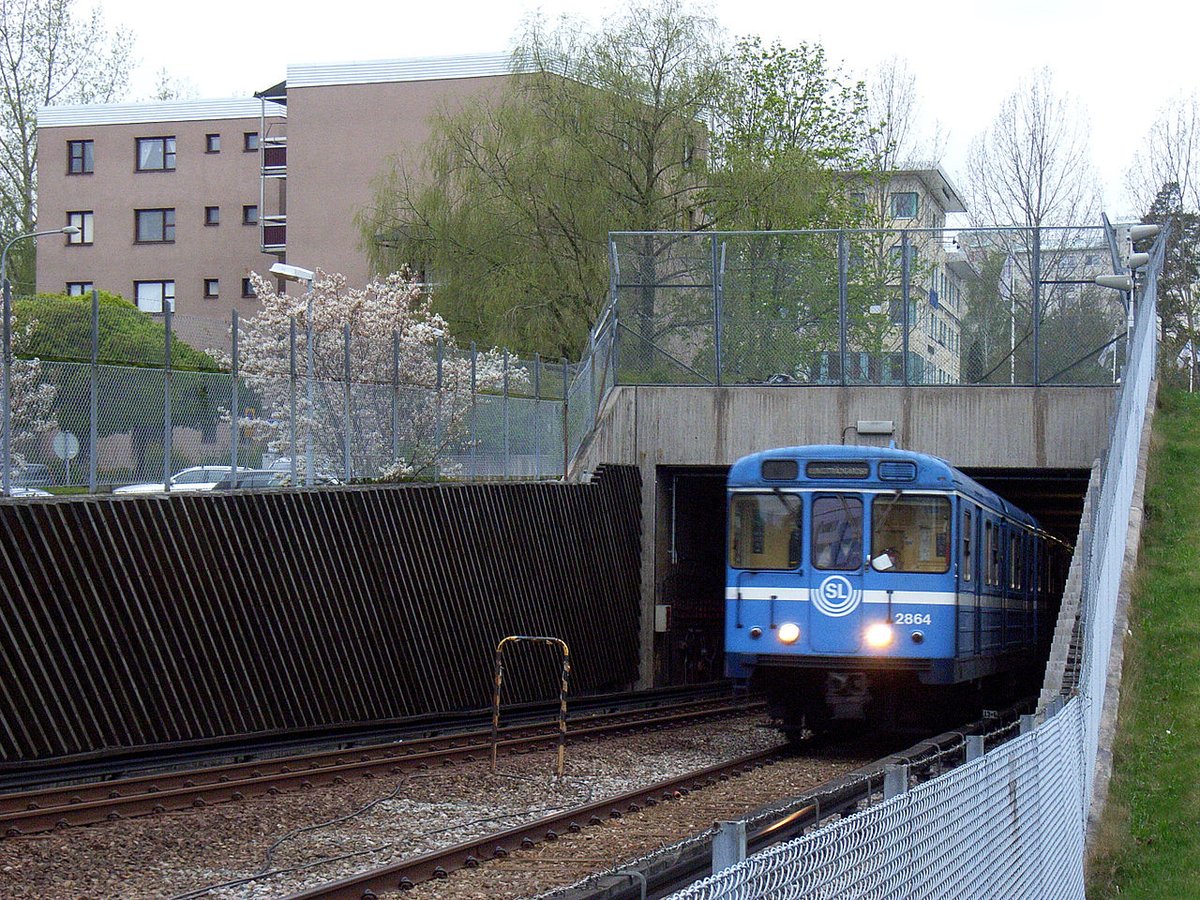
The C-2 Cercanías train from Valencia Nord takes fifty-five minutes through agricultural plains and sudden mountains, costing €4.55 return. It's simpler than driving – the A-7 might be faster but involves negotiating Xàtiva's one-way medieval streets and paying €12 daily for underground parking near the station.
Driving does let you reach the castle directly, following signs that disappear just when you need them most. Sat-nav coordinates work, but you'll navigate narrow lanes designed for donkeys, praying you don't meet a delivery van coming down. The castle car park is free and usually half-empty, even in August when coastal resorts feel like Oxford Street at Christmas.
The Reality Check
Xàtiva isn't perfect. English remains limited – pointing and smiling becomes essential equipment. Summer heat hits different at 115 metres altitude than on the coast; July afternoons feel like walking through soup. The Tuesday market brings traffic chaos and pickpockets who target distracted tourists examining leather belts.
Yet these rough edges make the place real. Unlike coastal towns where every waiter speaks fluent Estuary English, Xàtiva remains stubbornly Spanish. Children play football in plazas until midnight while their parents argue politics over brandy. Old men still wear jackets in thirty-degree heat because appearances matter. The upside-down king stays inverted because nobody's forgotten, and nobody's apologising.
Come for the castle, stay for the stubborn refusal to become another heritage theme park. Just remember to eat late, speak some Spanish, and respect the siesta. Xàtiva's been here for two millennia – it's not changing its rhythm for anyone.