Full Article
about Agres
Mountain village in the heart of the Sierra de Mariola; known for its sanctuary and old snow ice houses.
Hide article Read full article
A village that moves at its own pace
Some places feel like a pause. Agres, in the comarca of El Comtat, is one of them. You arrive, park the car, and before long it becomes clear that everything moves a little more slowly. This is not something arranged for visitors. It is simply how life has always unfolded here.
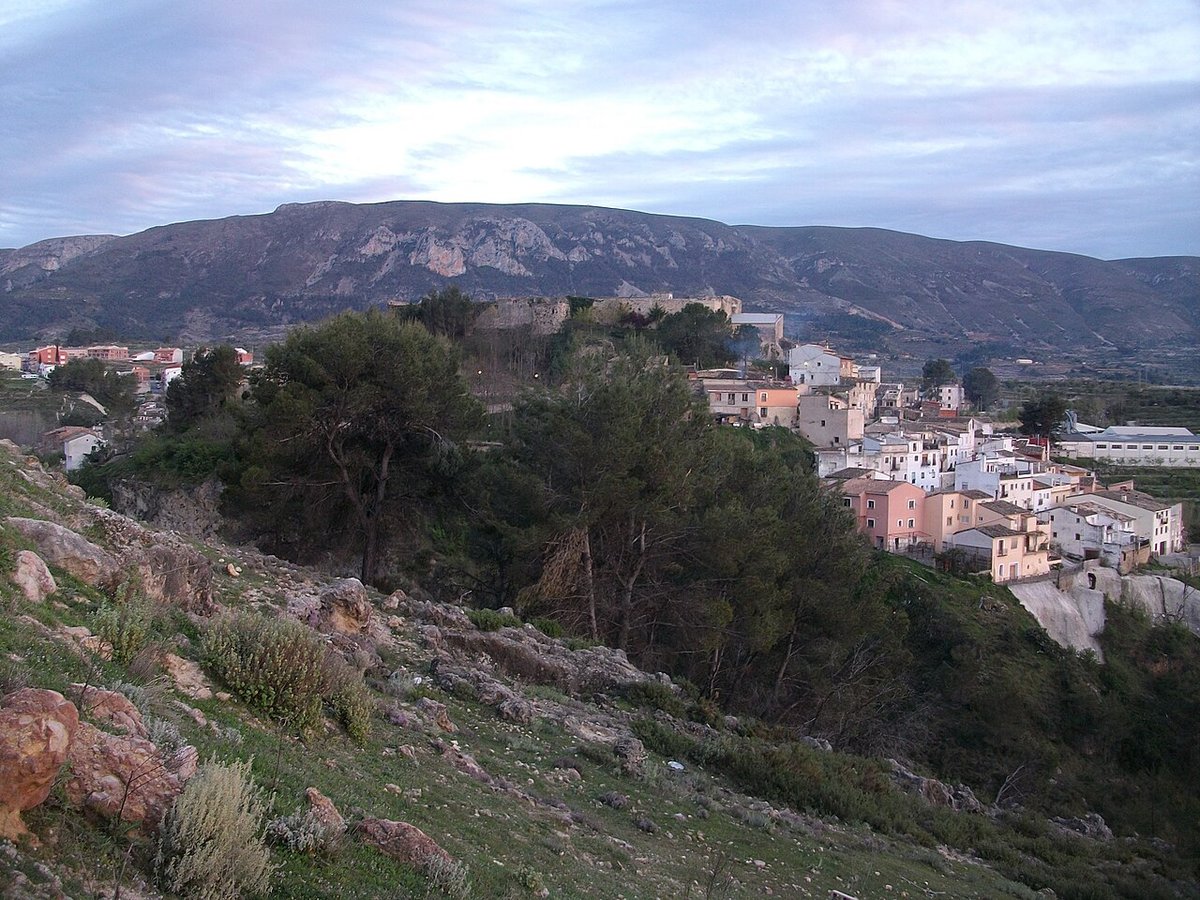
With just over six hundred residents and sitting more than 700 metres above sea level, Agres leans closely against the Serra de Mariola. The mountain setting makes itself known straight away. Streets climb and dip, the air feels fresher than on the coast, and by late afternoon there is often a faint scent of firewood or aromatic plants drifting through the village.
Walking through its heritage
The Iglesia Parroquial de la Transfiguración del Señor occupies one of those central points that seem to organise everything around it. Built in the 18th century, its bell tower is visible from many streets and works as a natural reference when navigating the slopes. Inside, there are Baroque altarpieces and decorative details that reflect a time when even small villages expressed a sense of collective pride through their church.
A little further out stands the Santuario de la Virgen de Agres. The route leading there is part of the experience, passing through pine trees, old agricultural terraces and stretches of quiet. According to tradition, the image of the Virgin was discovered centuries ago in a nearby cave, a story that echoes many other mountain sanctuaries across Spain. Today, the site remains closely tied to local life, especially during pilgrimages and celebrations.
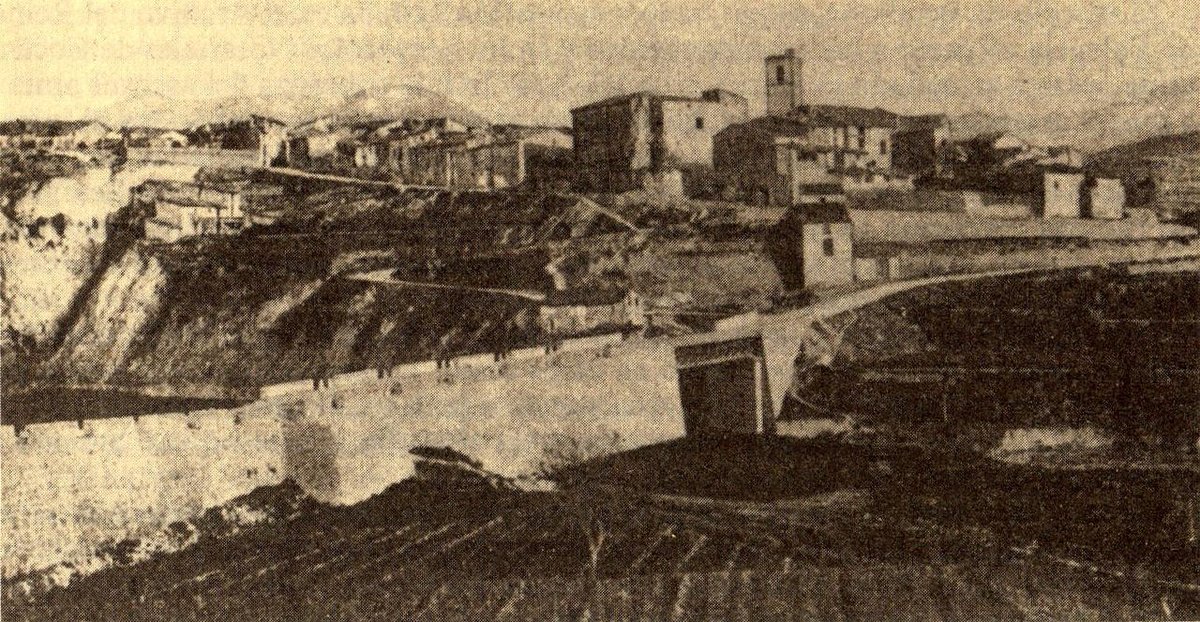
The historic centre is compact and easy to explore, though it rewards a slower look. Stone doorways with careful craftsmanship, wrought-iron balconies and houses that appear larger than expected all hint at periods when the village enjoyed more economic activity than it does now.
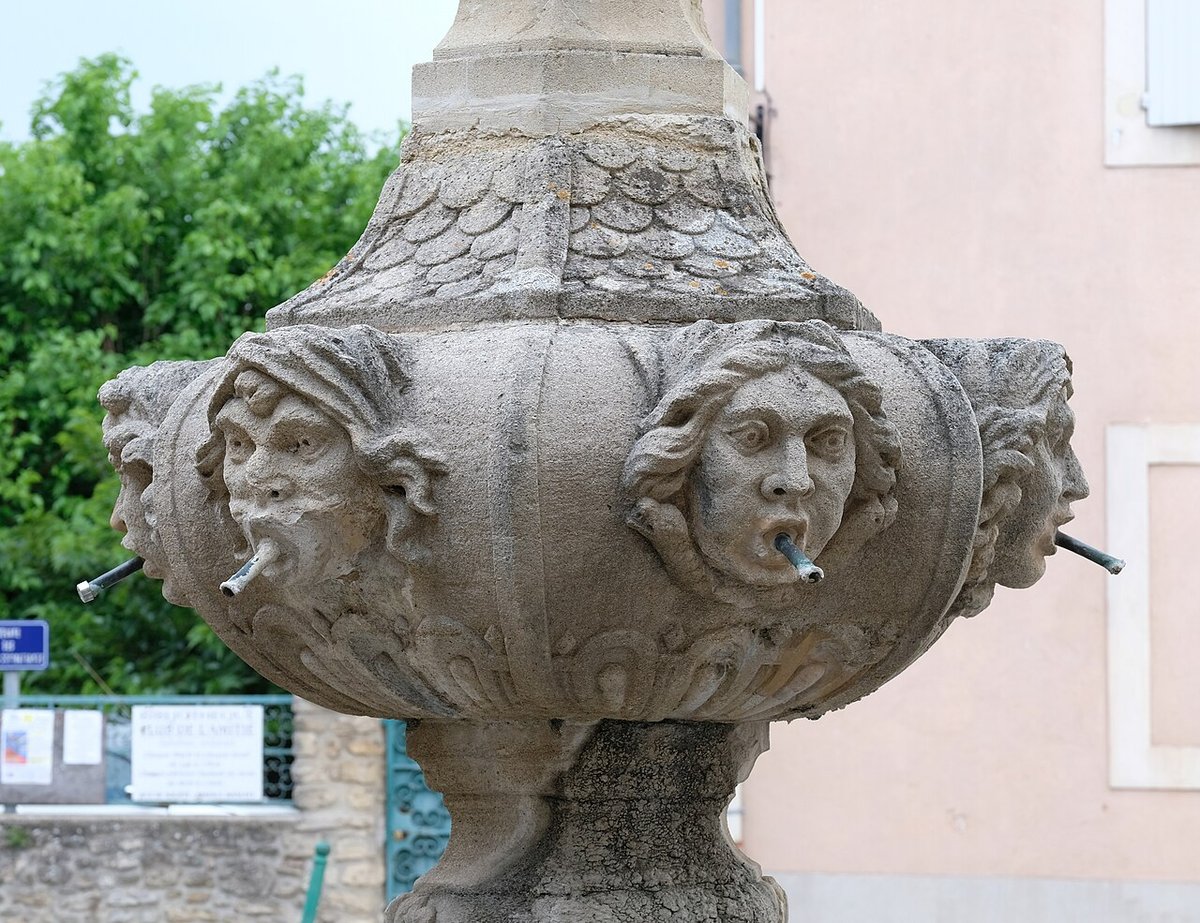
At the main square, known as Font de la Vila, water still plays a central role. The stone fountain has stood here for centuries and continues to act as a meeting point. Spending a little time here reveals the daily rhythm: people passing through with shopping, neighbours stopping for a chat, children crossing the square at a run.
Into the Serra de Mariola
Agres owes much of its appeal to its position within the Serra de Mariola Natural Park. Several walking routes either begin in the village or pass nearby, leading into the surrounding landscape.
One well-known route connects a series of springs scattered across the mountains. It is a long but manageable walk through pine forests and low vegetation filled with rosemary, thyme and sage. When the sun is strong, those scents become especially noticeable. The setting helps explain why this mountain range has long been associated with medicinal plants.
Wildlife is part of the experience too. Birds of prey are often seen circling overhead, and quieter walkers may notice movement among the shrubs. The network of paths is extensive, so checking a map before heading out is a sensible step, as several routes intersect.
Shorter options are available for those who prefer a more relaxed outing. Paths from the edges of the village lead to viewpoints or towards the source of the river Agres. These walks typically take one or two hours and offer a clear sense of the valley without requiring a full day on foot.
Food and local knowledge
The cooking in this area reflects its rural surroundings and the seasons. Vegetables from local gardens, traditionally made cured meats and honey all feature strongly. Beehives are often placed in the mountains when rosemary is in bloom, which gives the honey a distinctive character tied to the landscape.
Conversations with residents often bring up another aspect of local life: the use of plants from the Serra de Mariola in home remedies. Infusions made from sage, thyme or pennyroyal are still used for minor ailments. This kind of knowledge continues to circulate within families, although it is becoming less common over time.
Festivities and traditions
Many of the main celebrations in Agres revolve around the Virgen de Agres. During the patron saint festivities, the village fills with processions, music and activities that involve a large part of the community.
The pilgrimage to the sanctuary keeps an older atmosphere. Residents walk up through the pine woods, accompanied by traditional songs and a distinctly familiar mood. It is not an event designed to draw large crowds, but rather one that retains meaning for those who live here.
Summer brings a different rhythm. Cultural activities and musical performances are organised on some August evenings, a pattern seen in many inland villages when those who live elsewhere return for the holidays.
When to go
Spring and autumn tend to be the most pleasant times to explore the area on foot. Spring brings flowers across the Serra de Mariola, along with a stronger presence of aromatic plants in the air. Summer days can be hot, although nights in the village are usually more comfortable than along the coast.
Agres is not a place of packed itineraries or long lists of attractions. It suits a slower visit: a few hours walking in the Mariola, a wander through the old streets, and a pause in the square before continuing through the comarca. Sometimes that is all that is needed.