Full Article
about Alcoleja
Mountain village on the slopes of the Sierra de Aitana; it keeps a medieval feel and narrow streets.
Hide article Read full article
A village that rewards stopping
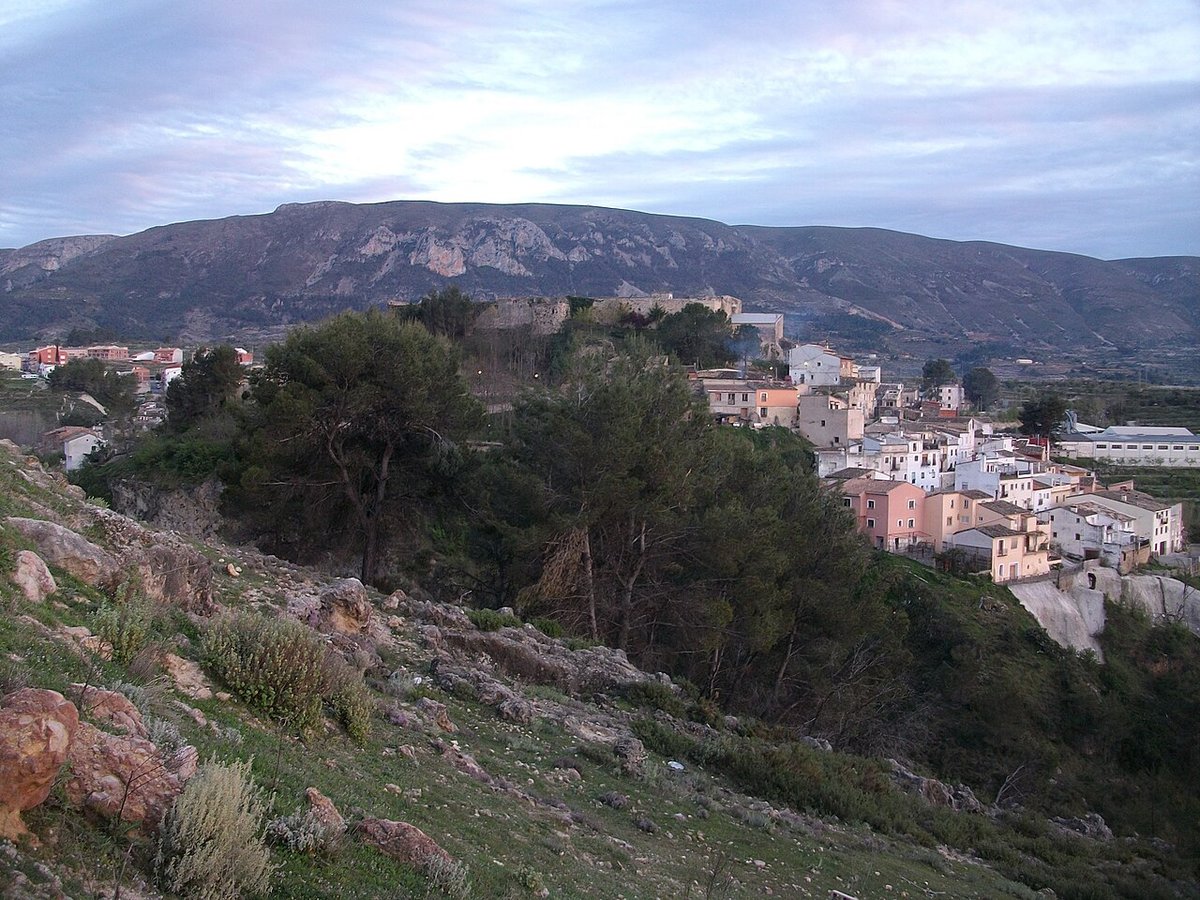
Some places seem made for driving past, until you slow down and realise it might have been worth stopping for five minutes. Alcoleja is one of those. This small municipality in the interior of Alicante, in the comarca of El Comtat, has just over 180 residents and sits at around 700 metres above sea level. You feel that height straight away: summer evenings cool down, and winter brings a dry cold that settles into your hands.
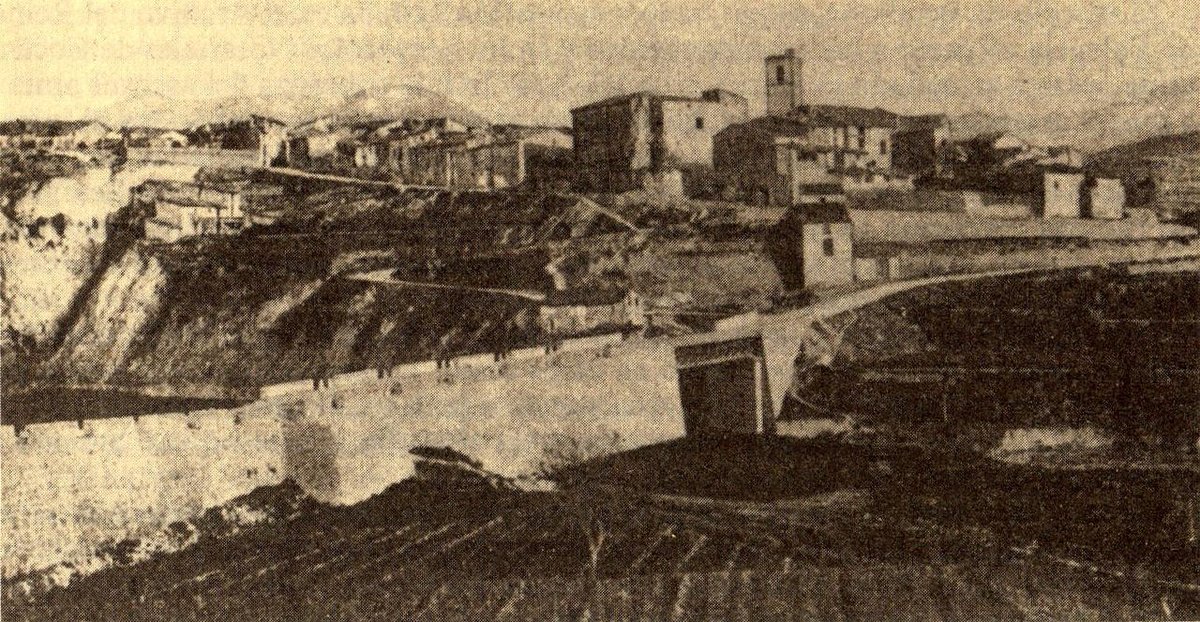
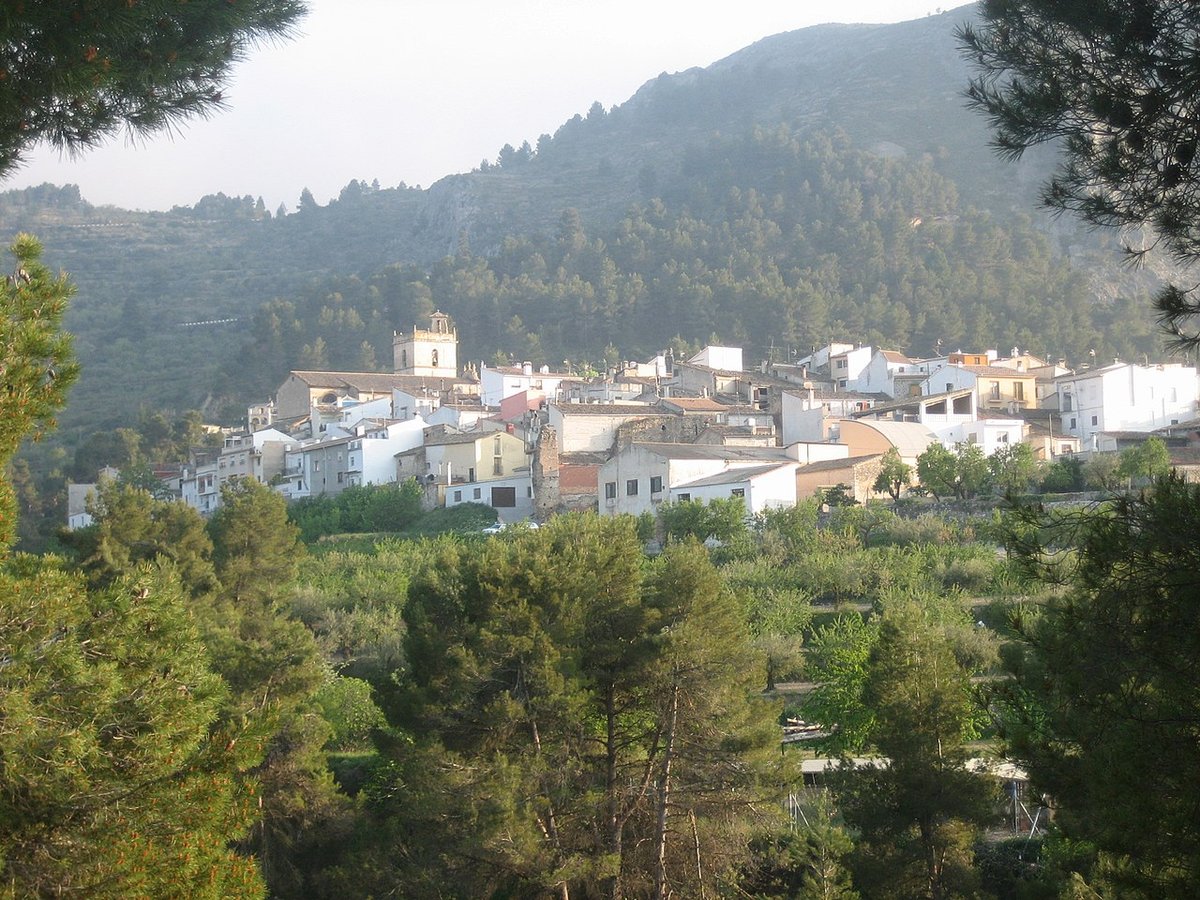
The village follows the slope without much fuss. Streets climb and dip, whitewashed houses stand close together, and façades are simple, shaped over time by whatever needed fixing. Not everything is old, and there are more recent updates, but the overall feel remains that of a mountain village where life has long been tied to the land.
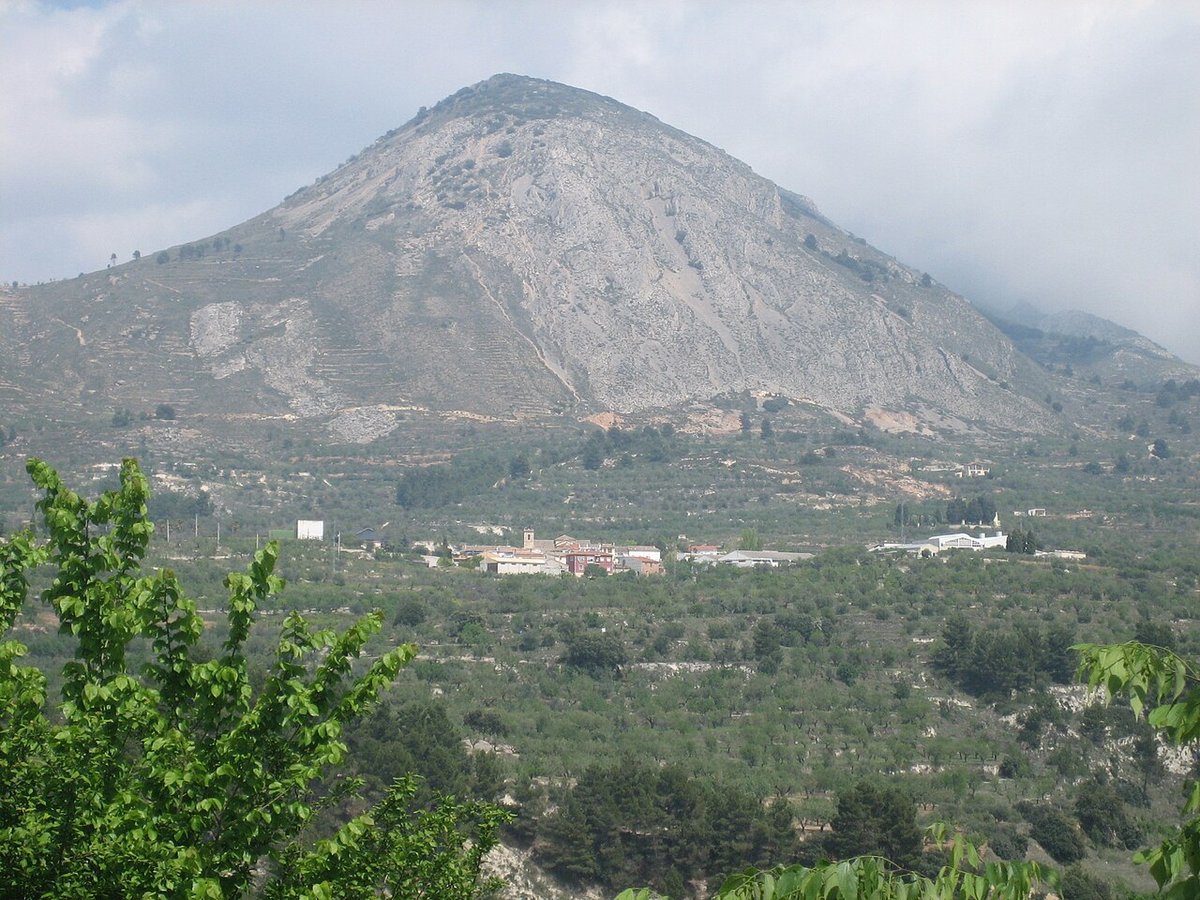
Around it, there are terraces, old paths and the occasional masía, a traditional rural house. The landscape explains how people have lived here for generations, making use of every workable piece of ground the mountains allowed.
The village, as it is
Life in Alcoleja centres on the parish church of San Miguel Arcángel. Its bell tower is visible from almost anywhere and works as a natural point of reference when walking through the streets. You do not really need a map, within ten minutes it all makes sense.
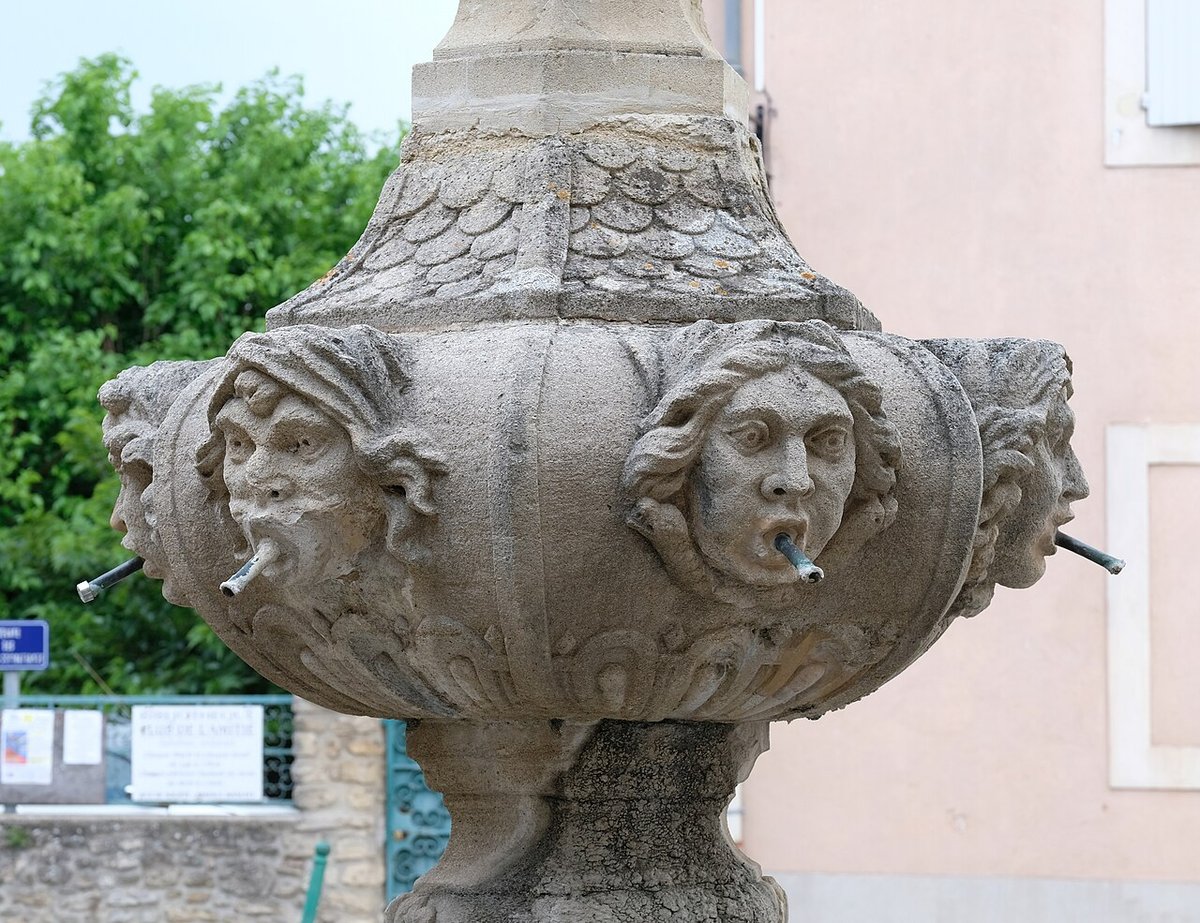
One of the usual stopping points is the Fuente de la Vila. It is not a monument or anything elaborate, but on a warm day it is worth pausing, listening to the water and taking a break. In a place this size, details like that become natural meeting spots.
A short walk beyond the built-up area brings you to structures linked to agricultural work: corrals, small masías and dry stone walls built patiently over time. There are no museums or interpretation centres here. The heritage is directly in the landscape.
From some of the higher points near the village, the views open out towards the surrounding mountains, with the Sierra de Mariola not far away. There are no formal viewpoints or walkways, just clearings or slightly wider stretches of track. That lack of development is part of what keeps the atmosphere calm.
Paths made to be taken slowly
Several tracks and footpaths leave from Alcoleja and head into the hills. These were traditionally used to reach terraces and masías, and today they are mostly walked by people heading out for a while.
The vegetation mixes pines, holm oaks and Mediterranean scrub. After rainy periods, nearby ravines may carry water or form small temporary pools. In summer, the ground is usually very dry and the landscape shifts completely.
This is not an area of dramatic waterfalls or well-known routes shared widely online. It is the kind of place where you walk for a couple of hours, hear the wind moving through the pines and pass very few people.
For photography, the village offers plenty of simple but effective scenes: red-tiled roofs appearing between white houses, strong shadows late in the afternoon, and the mountains of El Comtat changing colour as the day goes on.
Food shaped by the land
Local cooking remains closely tied to what the area produces: olive oil, almonds, honey and aromatic herbs that grow along the edges of the hills. Traditional dishes tend to be hearty rice recipes or spoon dishes, the sort that make more sense after a cool day or a morning spent walking.
In villages across this part of inland Alicante, the food carries that mountain character. It is straightforward, without unnecessary extras, and designed to fill you up after working outdoors.
Festivities and the rhythm of the year
The main celebration revolves around San Miguel Arcángel and usually takes place towards the end of September, when the strongest heat has passed. These are small-scale festivities, focused largely on the people who live here and those who return for those days.
In August, there are often more informal activities, coinciding with the time when residents who live elsewhere come back. Shared meals, music or gatherings in the square are typical. They are simple occasions that work more as reunions than as spectacles.
Agriculture still shapes part of the calendar. The almond harvest and the olive campaign remain important moments, even if many of the tasks are now done differently. They continue to set the rhythm of life in the village.
Getting there, and why the last stretch slows you down
Reaching Alcoleja from Alicante usually involves taking the A-7 towards Valencia and turning inland near Cocentaina. From there, secondary roads take over.
The final kilometres are winding and pass through a landscape of terraces, hills and small ravines. It is not a road to rush, but that is part of the point. The journey itself gradually sets the tone.
Spring and autumn are usually