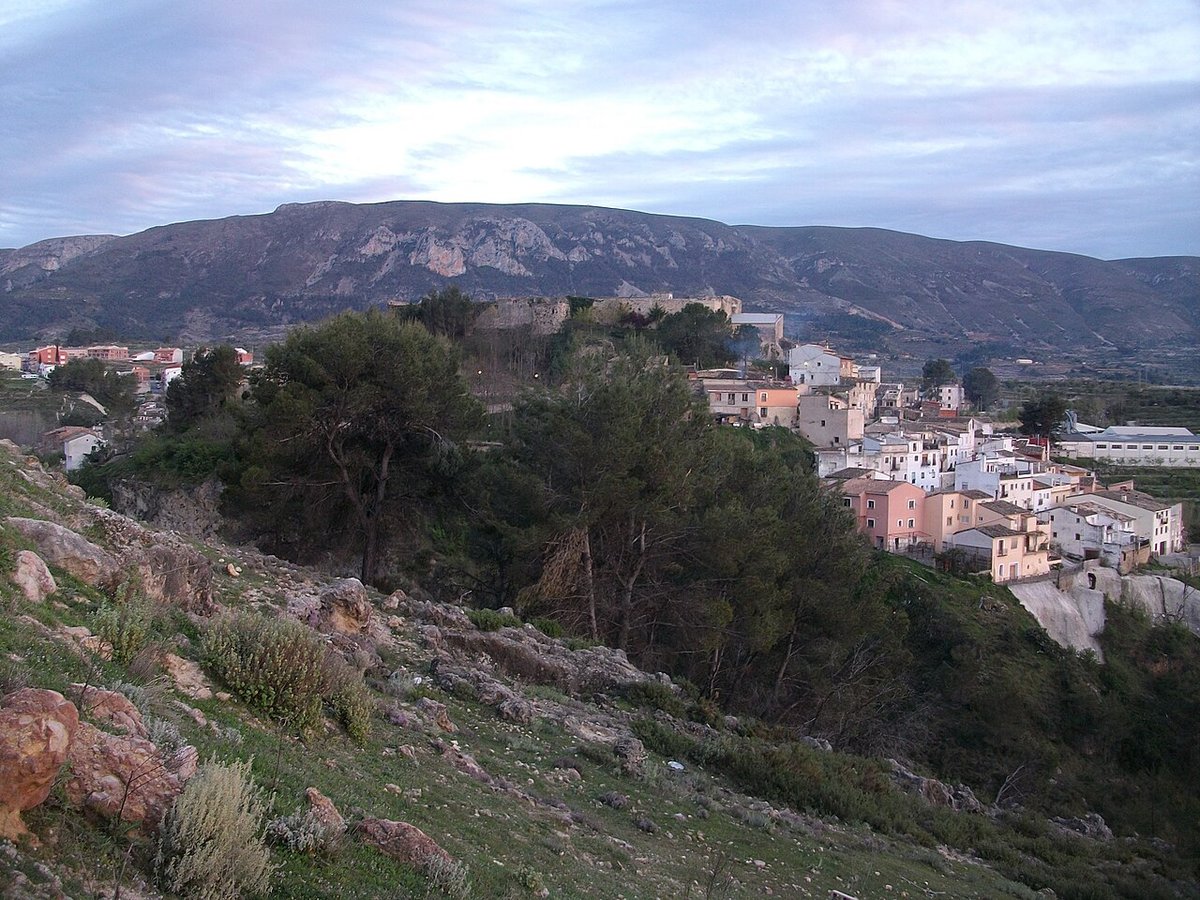
Vista aérea de Balones
Instituto Geográfico Nacional · CC-BY 4.0 scne.es
Comunidad Valenciana · Mediterranean Light

Balones

The church bell strikes noon and only three people appear. One carries a ladder, another a crate of lemons, the third simply watches the sky. This ...

132 inhabitants · INE 2025
660m Altitude

Why Visit

Mountain Church of San Francisco Hiking in the Serrella

Best Time to Visit

summer

San Francisco Festival (August) agosto

Things to See & Do
in Balones

Heritage

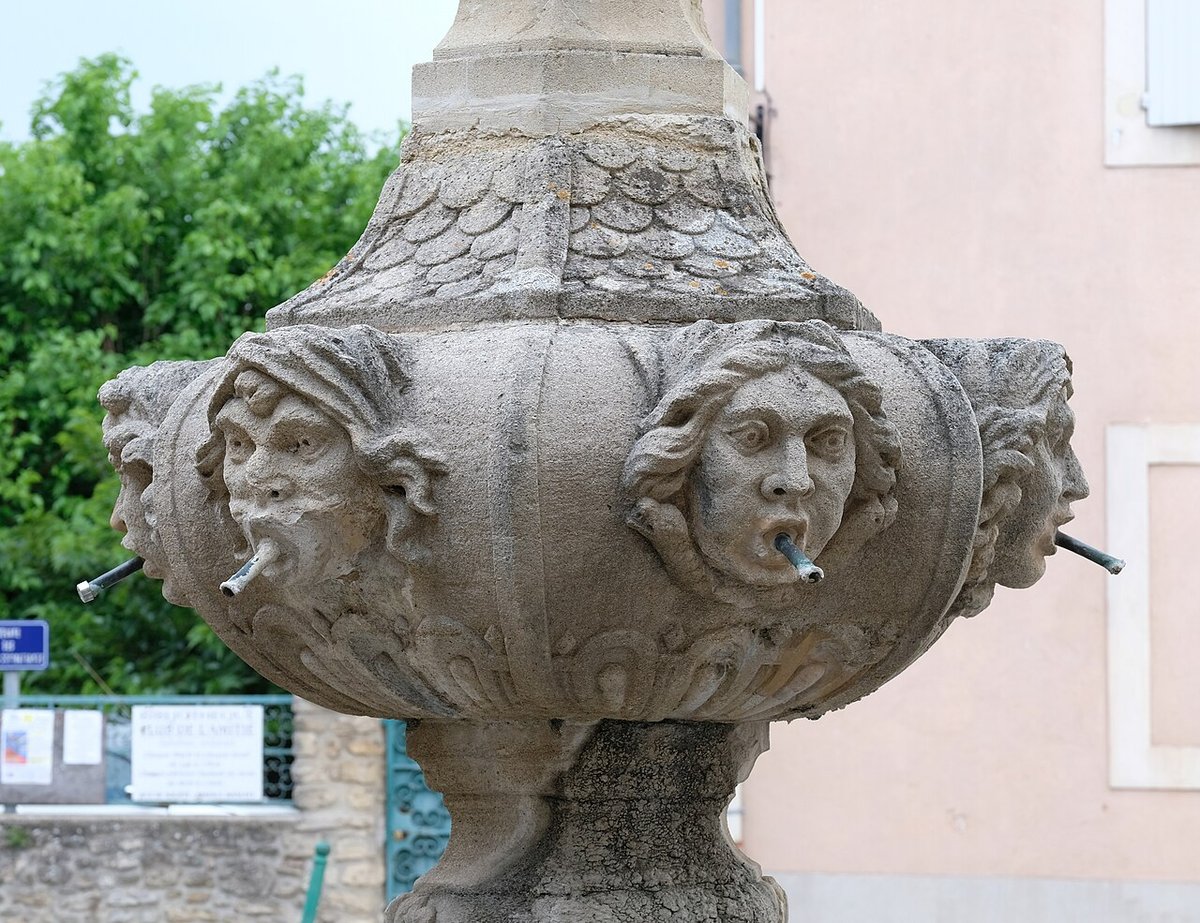
  • Church of San Francisco
  • Seta Castle (ruins)
  • boundary cross

Activities

  • Hiking in the Serrella
  • stargazing
  • mountain cycling

Festivals
& & Traditions

Fecha agosto

Fiestas de San Francisco (agosto)

Las fiestas locales son el momento perfecto para vivir la autenticidad de Balones.

Full Article
about Balones

Small mountain village with rural charm; perfect for silence and nature tourism.

Ocultar artículo Leer artículo completo

The church bell strikes noon and only three people appear. One carries a ladder, another a crate of lemons, the third simply watches the sky. This is Balones at midday, a village where silence isn't absence but presence of a different sort.

At 660 metres above sea level, Balones hangs between earth and sky on the Alicante mountainside. The 136 residents share their address with ancient olive trees that predate most Spanish monarchs. These terraces, carved into limestone over centuries, create a mosaic that changes from silver-green in spring to burnished bronze by autumn. The village itself clusters around a stone church whose bell tower serves as both spiritual centre and navigation point for walkers tackling the surrounding Comtat region.

Getting here requires commitment. From Alicante airport, drivers navigate the A7 coastal motorway before turning inland at Alcoy. What follows is 30 kilometres of mountain road where every bend reveals another valley, another abandoned farmhouse, another question about who once lived there. The journey takes an hour if you're determined, longer if you stop to photograph the views. Winter visitors should check weather forecasts – at this altitude, sudden fog can make the final approach treacherous.

The village layout follows topography rather than town planning. Houses built from local stone cascade down the slope, their terracotta roofs creating irregular steps against the mountain. Narrow lanes, some barely two metres wide, connect dwellings through archways and sudden flights of steps. What looks random from below reveals itself as practical design – every doorway faces away from prevailing winds, every window catches afternoon sun during winter months.

Walking these lanes reveals details missed at driving speed. A carved stone dated 1789 marks someone's pride in completion. Metal rings set into walls once tethered mules now replaced by parked cars where space permits. The public laundry, fed by mountain spring, still serves those whose houses lack modern plumbing. On washing days, elderly women gather here, maintaining social networks that predate mobile phones by several generations.

The surrounding landscape offers compensation for architectural modesty. Marked trails lead through olive groves where trees grow at impossible angles on ancient terraces. Spring brings almond blossom that transforms slopes into pink-tinged snowfields. Summer walks require early starts – by 11am, heat reflected from stone walls becomes oppressive. Autumn provides ideal conditions: clear air, moderate temperatures, and the sensory drama of harvest time when tractors crawl between trees carrying sacks of olives to the local cooperative.

Birdwatchers find rewards in these mountains. Bonelli's eagles nest on remote cliff faces, while closer to the village, Sardinian warblers flit through gorse bushes. The limestone geology creates natural viewpoints where griffon vultures ride thermals at eye level. Bring binoculars but leave drones at home – local farmers value their privacy and have strong opinions about overhead buzzing.

Food here follows season and tradition rather than tourist expectation. The village bar serves coffee and brandy from 7am, filling with men discussing agricultural prices before heading to their fields. Lunch might be gachamiga, a peasant dish of flour, water, olive oil and whatever vegetables survive winter storage. Evening meals feature locally pressed oil with bread baked in wood-fired ovens that operate on rota system – each family has their designated day. Don't expect menus in English or vegetarian options beyond what's growing in household gardens.

Accommodation options remain limited. Two houses offer rural tourism rentals, both converted by families whose children left for Valencia or Barcelona. Book directly through the town hall website – they'll coordinate with owners and provide keys. Facilities are basic but clean: expect stone walls that keep interiors cool in summer, heating that works adequately in winter, and WiFi that functions when weather permits. Mobile phone coverage depends entirely on your network provider and willingness to stand in specific spots near windows.

Festivals punctuate agricultural calendar rather than tourism schedules. Easter processions involve most villagers carrying figures through streets barely wide enough for the task. Summer fiestas in July bring temporary population explosion – former residents return, temporary bars appear in squares, and someone inevitably attempts karaoke using equipment that last worked properly in 1998. Olive harvest in November might include visitors if they offer to work – expect long days, scratched arms, and appreciation for manual labour that shaped these mountains.

The village faces familiar rural challenges. Young people continue leaving for city opportunities. Empty houses deteriorate despite family hopes of eventual return. Agricultural income barely covers costs of maintaining terraces that prevent soil erosion. Yet morning coffee gatherings remain well-attended, neighbours still share tools and harvest labour, and someone always knows which key unlocks which abandoned house when emergency access proves necessary.

Practicalities matter. Fill your car with fuel before leaving the coast – the last petrol station sits 25 kilometres away and operates reduced hours. Bring cash – the village has no ATM and the bar owner's card machine works intermittently. Pack walking boots with ankle support – mountain paths follow ancient routes designed for sure-footed mules rather than weekend hikers. Learn basic Spanish phrases – English remains foreign here in ways that have nothing to do with language and everything to do with pace, expectation, and understanding why someone chooses to remain when others leave.

Balones won't suit everyone. Those seeking nightlife should stay on the coast. Visitors requiring constant connectivity face frustration. People uncomfortable with silence might find the quiet unsettling rather than restorative. But for travellers wanting to understand how rural Spain functions beyond tourism brochures, this mountain village offers authenticity without performance. The olive trees will outlast your visit, the church bell will continue marking time, and somewhere between those two facts, you might glimpse why places like Balones matter even as they shrink.

Key Facts

Region
Comunidad Valenciana
District
El Comtat
INE Code
03020
Coast
No
Mountain
Yes
Season
summer

Livability & Services

Key data for living or remote work

2024
Connectivity5G available
TransportTrain nearby
HealthcareHospital 12 km away
Housing~5€/m² rent · Affordable
Sources: INE, CNMC, Ministry of Health, AEMET

Official Data

Institutional records and open data (when available).

  • Castillo de la Costurera
    bic Monumento ~2.1 km

Planning Your Visit?

Discover more villages in the El Comtat.

View full region →

More villages in El Comtat

Traveler Reviews