Full Article
about Benasau
Quiet village surrounded by nature; known for the Torre del Palacio and its closeness to Aitana
Hide article Read full article
At midday, when the sun falls almost vertically onto the stone walls of Benasau, the village falls quiet. Light bounces off pale façades and the narrow streets fill with short shadows. A shutter shifts somewhere, insects hum in summer, and now and then footsteps echo across the cobbles.
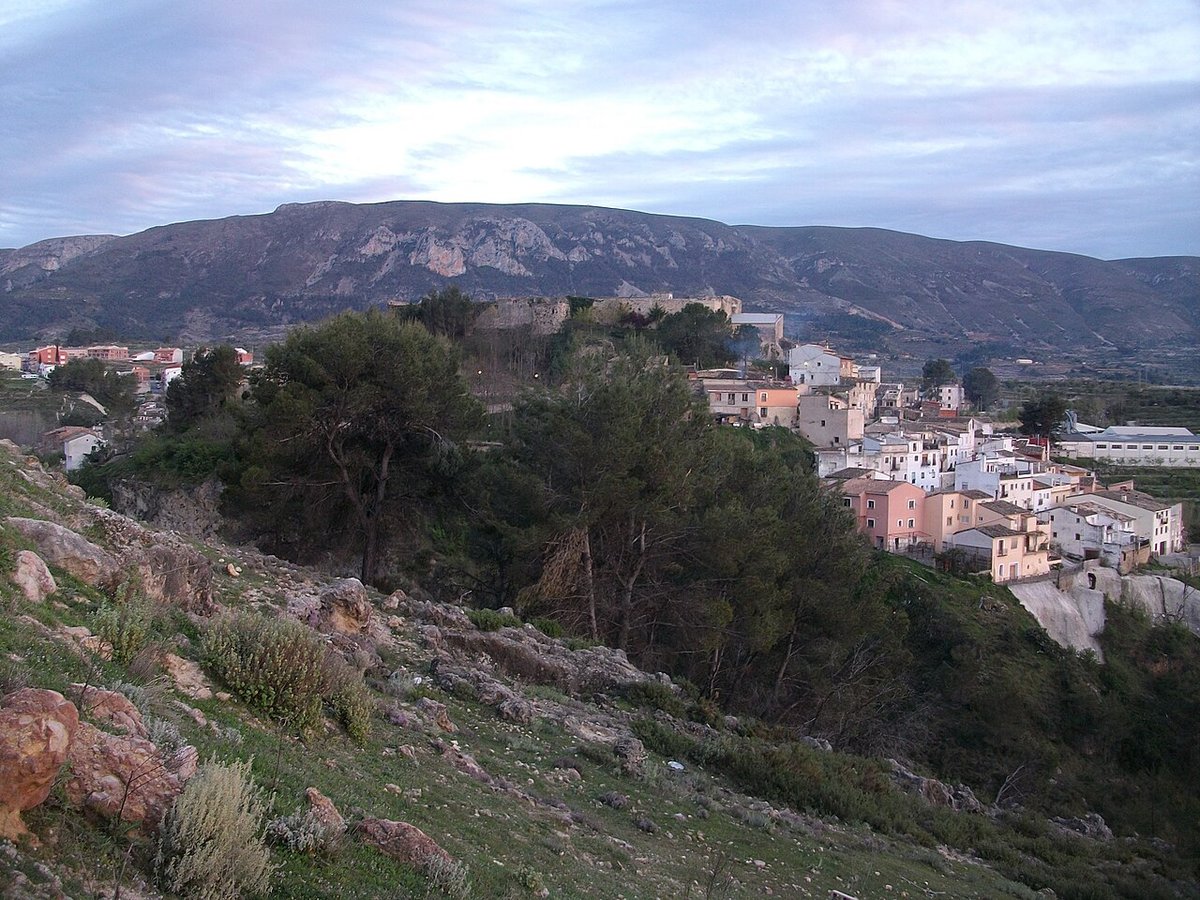
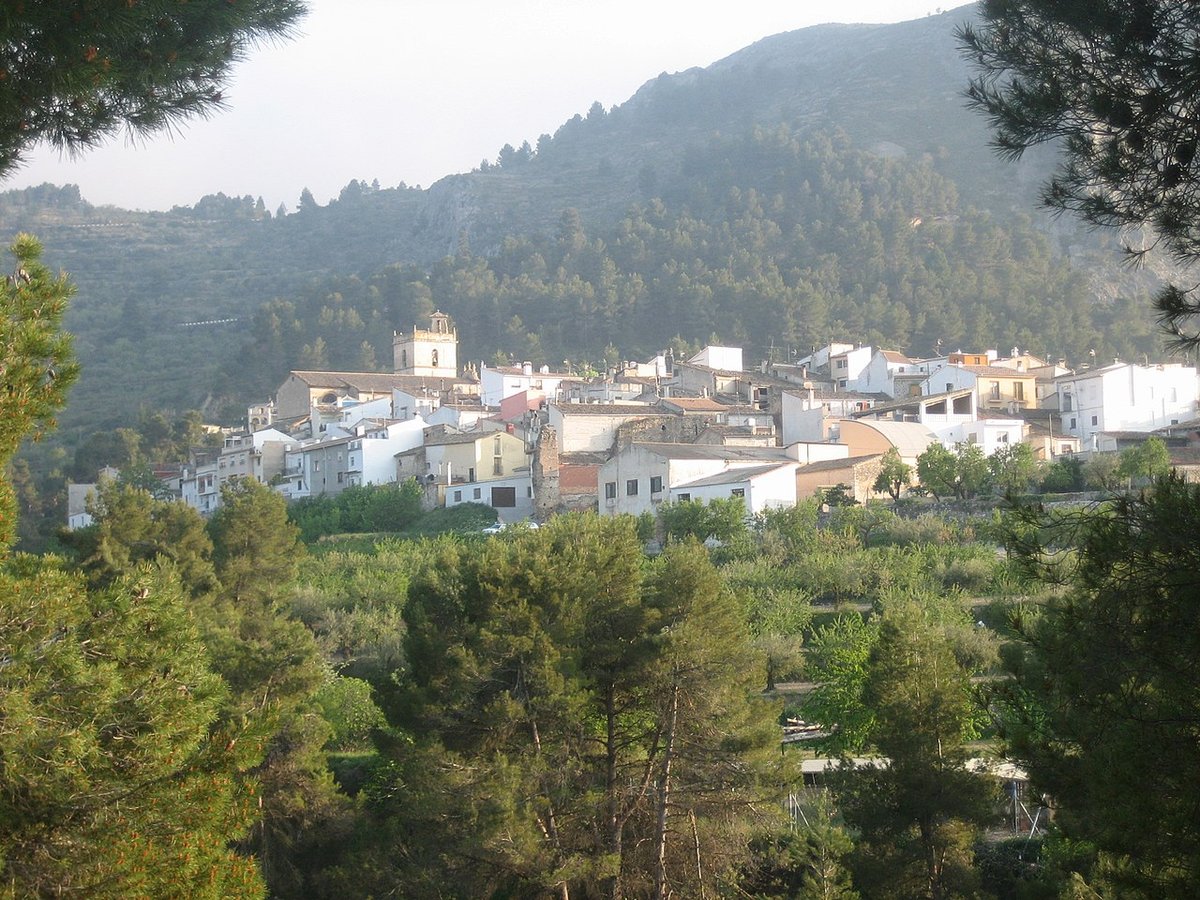
Tourism in Benasau has little to do with headline attractions. With around 174 inhabitants and set at more than 700 metres above sea level, this small municipality in the comarca of El Comtat moves at a slow pace shaped by the surrounding countryside. The urban centre adjusts to the slope with streets that rise and dip without much apparent logic, weaving between stone houses, wooden gates and small courtyards where flowerpots, vines or a lemon tree reach for the sun.
The village centre and its houses
The parish church stands at the most visible point of the old centre. It does not draw attention for its size or decoration, yet the bell tower works as a reference point when arriving by road. Around it lie several of the main streets, where houses show the familiar mix of recent renovations and older masonry.
Many doorways still display old iron fittings or thick doors designed to keep warmth inside during winter. Windows are small and set deep into the walls, a common feature in inland villages of Alicante province where temperatures can drop sharply once the cold sets in.
The best way to get a feel for Benasau is simply to walk, linking one street to the next without a fixed plan. The whole village can be crossed in under an hour, yet a slower pace reveals small details: an exterior staircase worn down by years of use, a wall covered in ivy, the smell of firewood drifting through the air towards the end of a winter afternoon.
There is no sense of rush. Daily life unfolds quietly, especially outside the summer period. Silence at midday is part of the rhythm, shaped as much by the heat as by the modest size of the population.
Terraced fields around Benasau
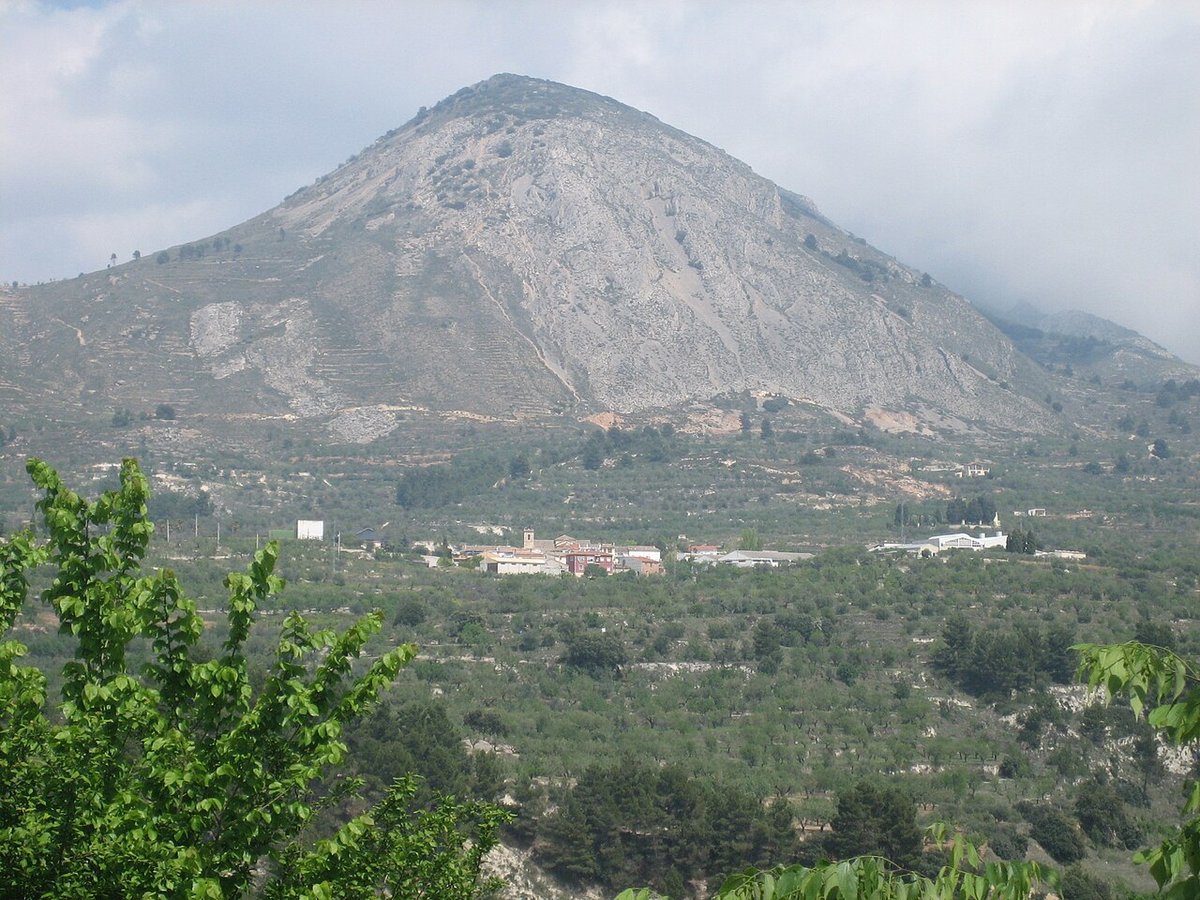
Step beyond the last houses and the landscape shifts almost immediately. The surroundings are filled with terraced plots held in place by dry-stone walls. Some remain cultivated, others hover between farmland and scrub.
Almond trees, olive trees and small vineyards appear scattered among young pines and holm oaks. In February, when the almond trees blossom, the white flowers stand out against the dry brown earth. The contrast can be seen from many of the paths that circle the village.
There are no large, purpose-built viewpoints. It is more usual to stop at a bend in the road or on a small rise and look out across the valley of El Comtat, which stretches between gentle mountain ranges. The setting feels open rather than dramatic, shaped by agriculture over centuries.
Those who come to walk should bring water and download their route in advance. Some footpaths exist more by local habit than by clear signposting. The terrain is not extreme, yet orientation can be less straightforward than on marked trails.
Paths between villages in El Comtat
Benasau also acts as a stopping point for walks towards other nearby villages. Old bridle paths still link it with neighbouring settlements, crossing ravines and areas of abandoned cultivation. These were once practical routes between communities, and traces remain in the stonework and worn ground.
The walks are quiet, though the terrain includes stony stretches and short slopes that make themselves felt. Boots with firm soles are helpful, particularly after rain when the soil on some terraces becomes slippery.
Along the way, the scents of Mediterranean scrub are noticeable. Thyme, rosemary and marjoram release their aroma when the sun warms the hillsides. Birds of prey can sometimes be seen circling above the ravines, riding the air currents that rise from the valley floor.
There are no visitor centres or structured trail networks described here, just a web of connections shaped by long use. The experience is simple: moving on foot between small places, with the landscape close at hand.
A small village with simple festivities
Festivals in Benasau follow the pattern common to many inland towns in the Valencian Community. Summer usually brings the liveliest days of the year, with processions, music at night and neighbours returning to reunite with family. The population grows temporarily, and the quiet streets take on a different atmosphere.
In January, the tradition of San Antonio Abad continues with the blessing of animals in the square. San Antonio Abad is widely associated in Spain with the protection of animals, and the ceremony, although brief, remains an established custom in agricultural villages across the region.
Autumn brings activity back to the fields with the almond or olive harvest. This is not an organised event for visitors, simply the seasonal work that still marks the calendar in many villages of El Comtat. The rhythm of the year remains tied to cultivation, even as some terraces fall out of use.
Getting to Benasau
From the city of Alicante, the journey takes around an hour and a little more by car. The usual route heads towards the area of Alcoy before continuing along regional roads that narrow as they enter El Comtat.
The final kilometres include bends and changes in elevation, so it is best taken steadily. Parking in the village is generally straightforward due to minimal traffic, although during festivals or at weekends there may be more movement than usual.
Benasau is unlikely to suit anyone searching for major attractions or busy itineraries. Its appeal lies elsewhere: the midday stillness, the terraced fields that frame the settlement, the scent of firewood in winter. In this part of inland Alicante province, everyday scenes continue much as they have for years, shaped by altitude, agriculture and a small population that keeps its own pace.