Full Article
about Benillup
Tiny village overlooking the Travadell valley; perfect for total peace.
Hide article Read full article
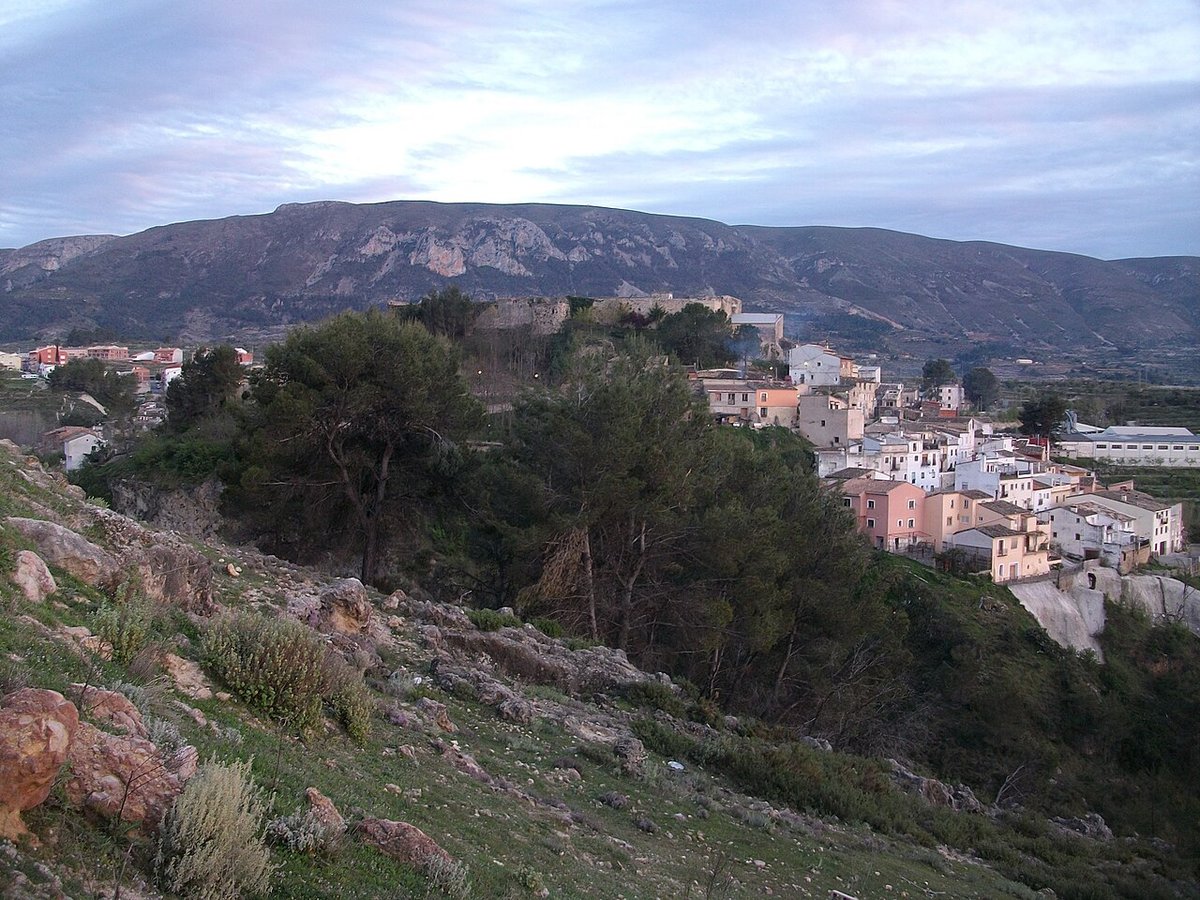
The church bells in Benillup ring seven, and the sound travels cleanly down the stone streets, bouncing off whitewashed walls still cool from the night. Up on the hillside of El Comtat, the morning sun hasn’t yet reached the lower plaza. A door opens somewhere, a dog stirs, but for now, the village belongs to its hundred or so residents and the slow start of their day. Walking here means following the land’s incline, from la cuesta de la Fuente down to the square, with no flat ground to speak of.
White walls and midday shade
The parish church of San Antonio Abad, built in the 19th century, holds the highest visible ground. Its simplicity is its feature: a plain white façade and a bell tower with a weather vane that creaks in a certain wind. On a clear day, that white is almost blinding against the darker stone and terracotta of neighbouring houses. You can walk its perimeter in a few minutes.
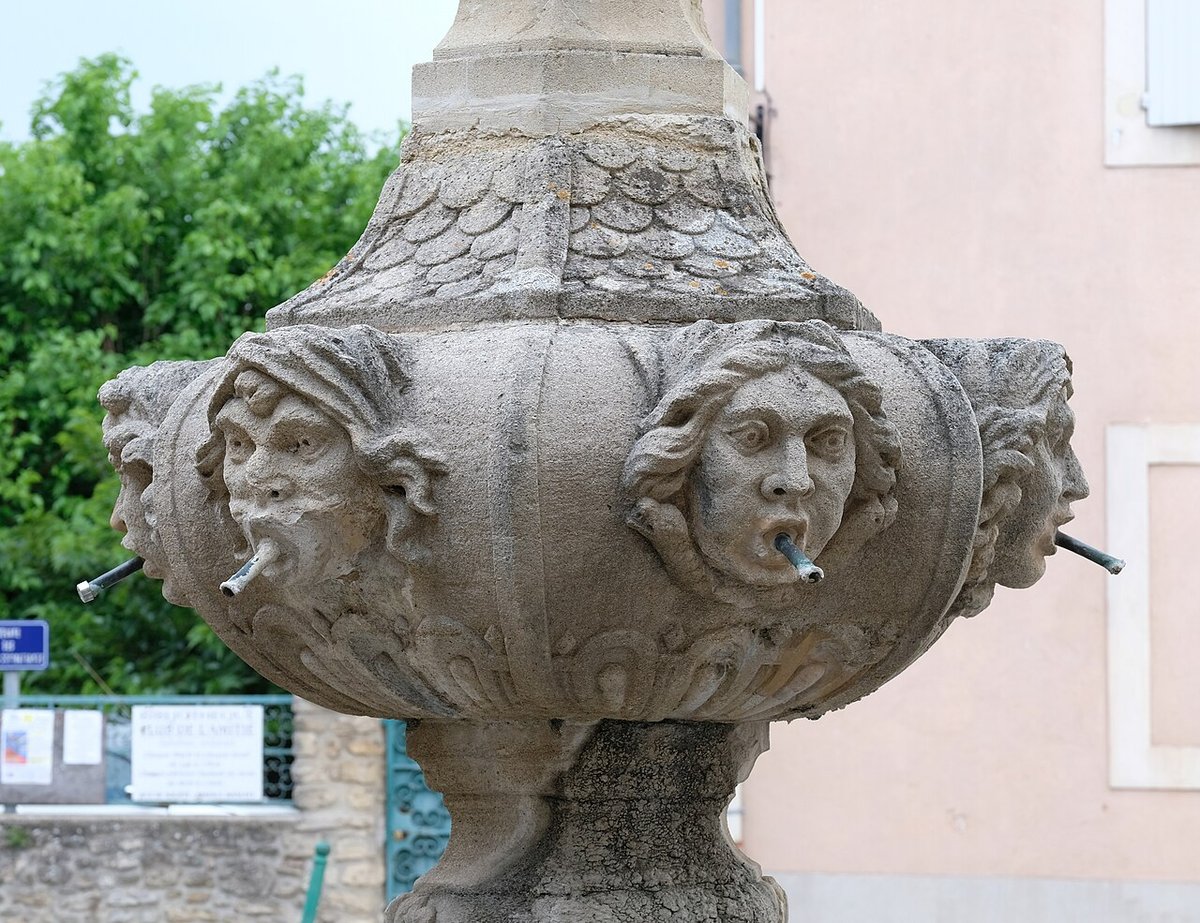
The houses speak of an agricultural past that hasn’t fully receded. You see it in the wrought-iron balconies, the heavy wooden doors with peeling paint, the small barred windows at street level. Geraniums in clay pots frame many doorways, their scent sharp in the sun. By midday, the narrow streets carve precise lines of shadow that stay cool long into spring. The village square is a practical space: a stone fountain with a rectangular basin, an old olive tree that provides a patch of shade, and paths that lead directly onto the terraced fields. The transition from street to soil is immediate.
The terraces beyond the last house
Step past the final wall and you’re among the dry-stone terraces. They hold small plots of almond and olive trees, some with seasonal vegetables. In spring, the almond bloom washes sections of the hillside in white and pale pink; by winter, the structure is laid bare—pale earth and those relentless horizontal lines of stone. The plots are small, accessed by tracks where only a narrow tractor could pass. Walking these paths, you feel the generations of labour in your calves. The quiet isn’t an absence; it’s the sound of a landscape that has been listened to for centuries.
One trail descends from the village towards the Barranco del Buitre, linking to wider tracks that face the Vall d’Elvira. It’s not strenuous, but wear shoes that can handle loose stones and bring water—there’s no fuente out there. After rain, the air changes completely, smelling of damp clay and crushed rosemary. Blackbirds rustle in the scrub, and the green seems to vibrate against the grey stone.
A rhythm tied to soil and season
You’ll see evidence of work: an old hoe leaning in a shed, almond shells swept into a pile, olive nets folded neatly. Modern machinery handles most labour now, but the calendar still dictates life. In winter, cooking turns to hearty bean stews and soups made with local pork—food for sustenance, not show. The main fiestas for San Antonio Abad still revolve around religious acts and community meals in the street. Some years, older traditions like blessing animals or the first fruits reappear, depending on who organizes it. These are gatherings for locals and returning family, not spectacles.
If you visit on a weekday, expect profound quiet. The bar may be open only in the evenings; services are minimal. Come prepared with your own water and snacks if you plan to walk. Many pair a stop here with other villages in El Comtat like Beniarrés, making a circuit of hilltop perspectives.
What stays with you from Benillup isn’t grandeur. It’s the roughness of a stone wall under your palm, the wind combing through almond leaves with a papery whisper, or the way the late light turns façades a deep gold just before sunset. Here, the village doesn’t just sit in the landscape—it seems carved from the same material.