Full Article
about Facheca
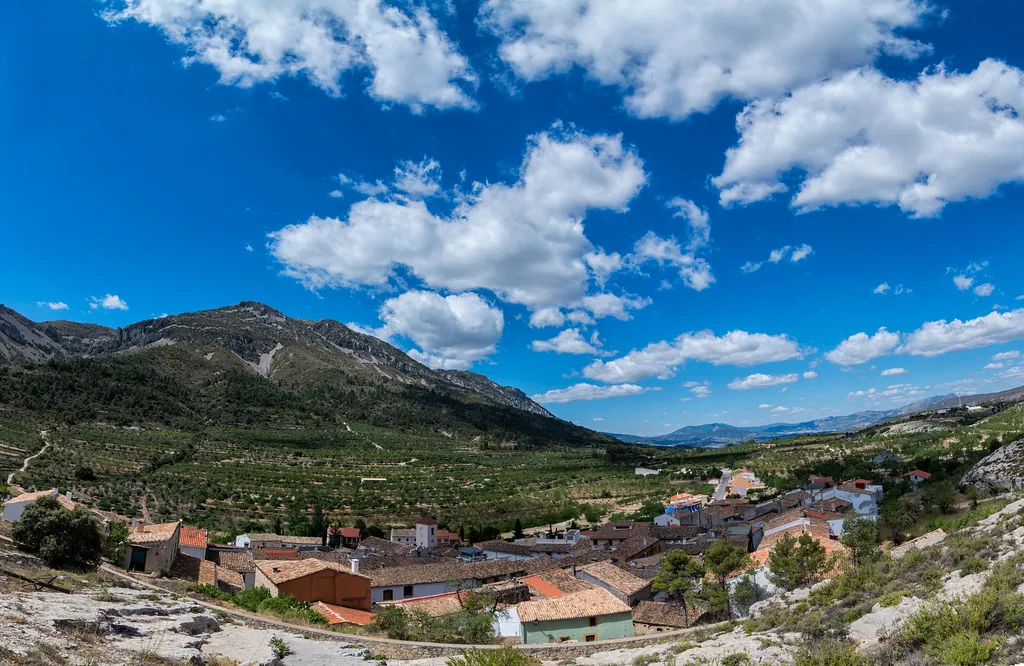
Tiny village in the Seta valley, ringed by mountains and centuries-old olive trees.
Ocultar artículo Leer artículo completo
The road to Facheca doesn't mess about. From the moment you leave the CV-81, it's a proper mountain drive—switchbacks, sheer drops, and the occasional goat giving you the eye. Your ears pop around 400 metres. By 600, the Mediterranean heat has vanished completely. At 764 metres above sea level, Facheca sits in its own microclimate, where summer temperatures rarely top 28°C and winter mornings can dip below freezing.
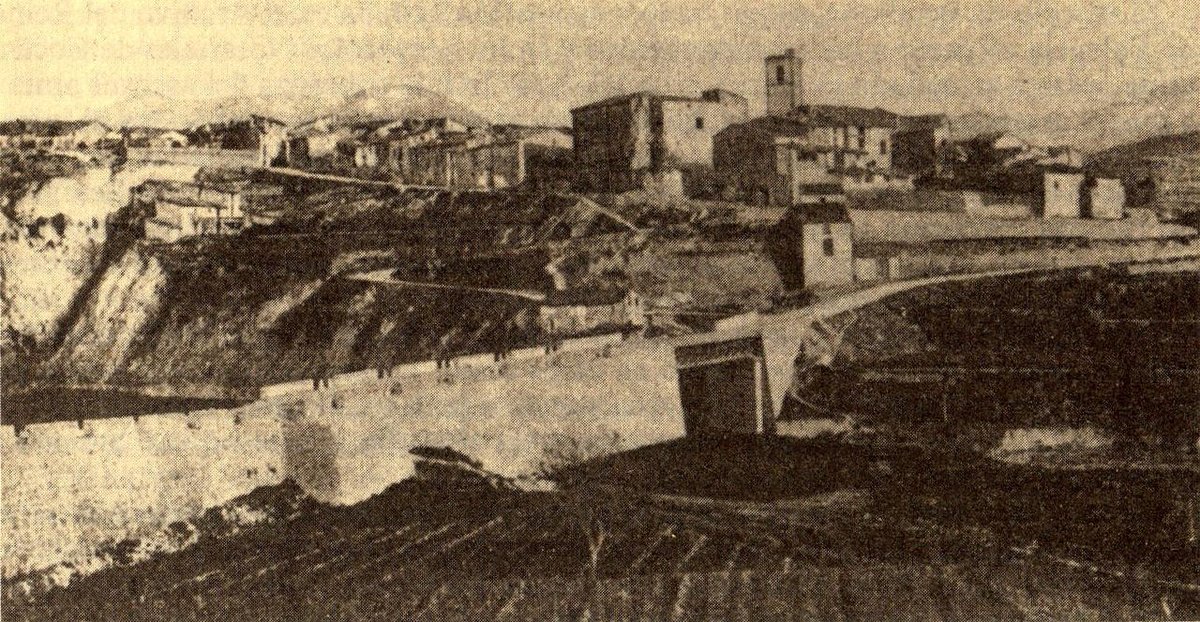
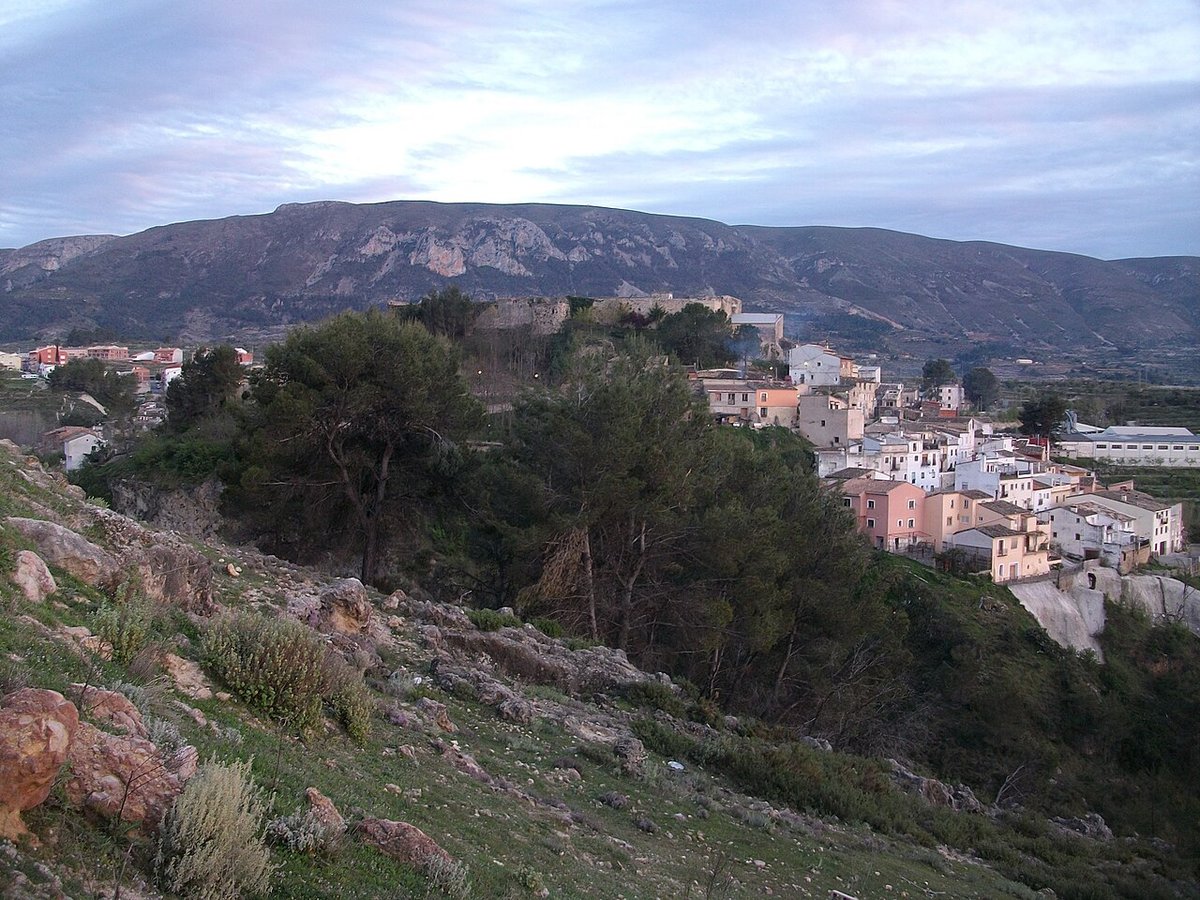
This isn't one of those whitewashed villages that tumble down hillsides towards the sea. Facheca turns its back on the coast, facing inland towards the sierras of El Comtat. The village clings to a ridge like it's hanging on for dear life, stone houses huddled together against the mountain winds. With barely a hundred permanent residents, it's the sort of place where the church bell still marks the hours and the bar owner knows everyone's business.
The Village That Time Forgot to Forget
Walk the main street on a Tuesday afternoon and you'll wonder if someone's pressed pause. There's no traffic because there's nowhere to go. The bakery shut years ago. The school closed when the last child left for university. Yet Facheca refuses to become a museum piece. Elderly women still beat rugs over stone balconies. Farmers still tend almond terraces using methods their great-grandfathers would recognise. The village might be quiet, but it's alive.
The houses tell their own story. Built from local limestone, they change colour with the weather—honey-gold in afternoon sun, grey as slate when storms roll in. Arabic tiles crown the roofs, thick enough to withstand mountain gales. Doorways shrink with age; some are barely five feet high, built when people were smaller and heating fuel scarcer. Peek through open portals and you'll see corrals converted into potter's workshops, old wine presses repurposed as garden features, bread ovens now smoking chorizo instead.
The Church of the Assumption squats at the village centre, its bell tower more functional than beautiful. Inside, the paintings are local, the silverwork donated by families who've lived here for centuries. The priest visits twice a month now; the rest of the time, the building serves as meeting hall, concert venue, and shelter from sudden mountain storms. On the 15th of August, it becomes the heart of the village fiesta, when expat children return from Madrid and Barcelona, and the population swells to perhaps three hundred.
Walking Through History, One Terrace at a Time
Facheca's real monument isn't a building—it's the landscape itself. Dry-stone walls march across the mountainsides in precise geometric patterns, each terrace hand-built over centuries. Almond trees dominate, their roots clutching thin soil above sheer drops. In late January, they explode into bloom, transforming the mountains into clouds of white petals. The blossom season lasts barely three weeks; catch it right and you'll think you've wandered into a wedding.
Walking tracks spider out from the village in all directions. The easiest follows an old mule path to Toll de l'Ombria, a natural pool that fills with snowmelt in spring. It's 45 minutes down, an hour back up—Facheca makes you work for your scenery. Serious hikers can tackle the PR-CV 147, a seven-hour circuit that climbs to 1,200 metres before dropping into the neighbouring village of Benasau. The route isn't waymarked; you'll need the Wikiloc app and a fully charged phone.
For gentler exploration, simply follow the terrace tracks at sunrise. Farmers emerge around 7 AM to check their trees, greeting walkers with a nod and perhaps directions to the best viewpoints. They'll tell you which fields belong to which families, who's planted new vines, which terraces have been abandoned to the wild. It's like walking through a living genealogy chart, carved in stone and soil.
What to Eat When There's Nowhere to Eat
Facheca doesn't do restaurants. The bar opens at 7 AM for coffee and serves food only when someone's around to cook it—usually weekends, sometimes not. Phone ahead (+34 965 50 50 69) or risk finding the door locked. When it's open, order the gazpachos—not the cold soup, but a hearty stew of rabbit, flatbread, and mountain herbs that'll keep you walking all afternoon. The conill amb caragols (rabbit with snails) appears in season, tasting of wild thyme and rosemary gathered from nearby slopes.
Self-catering makes more sense. The village shop stocks basics: tinned tomatoes, local almonds, cheese from a farm twenty minutes away. Better still, stop at Cocentaina on the drive up—the Friday market sells proper mountain ham, sausages cured in mountain air, vegetables grown in the valley below. In Facheca, the bakery van visits Tuesdays and Fridays around 11 AM. Miss it and you're bread-less until next time.
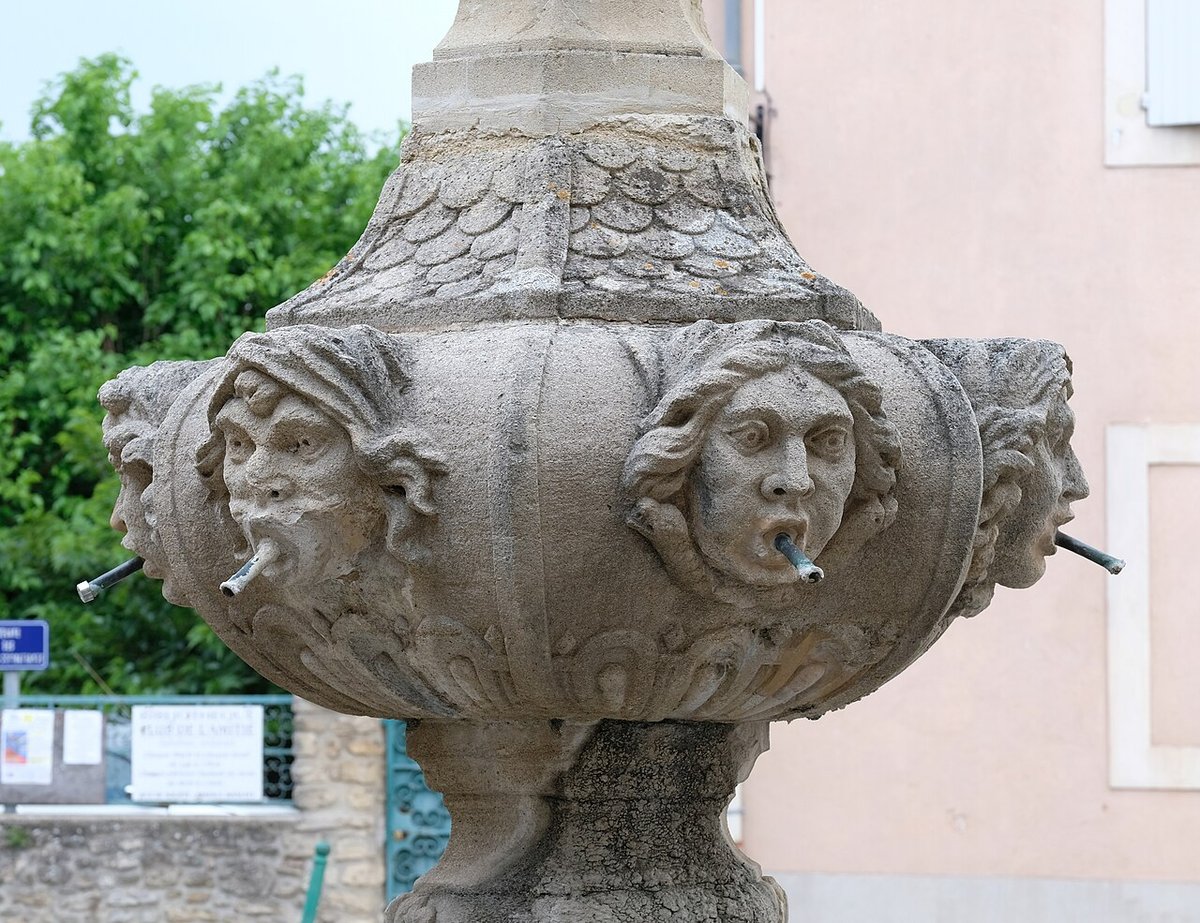
Water here tastes of the mountains—cold, mineral-heavy, straight from stone springs. Fill your bottles at the public fountain near the church; it's been running since Moorish times and shows no sign of stopping. The locals certainly don't touch the tap stuff.
The Honest Truth About Visiting
Facheca isn't easy. Public transport barely exists; there's one bus daily from Alicante that involves two changes and takes three hours. Driving is essential, and the final 12 kilometres from Benilloba will test your clutch control. Winter visits can mean ice on the roads; chains aren't optional in January. Summer brings relief from coastal heat but also brings... nothing else. The village doesn't suddenly sprout cafes or souvenir shops. What you see is what you get.
Mobile reception is patchy at best. Vodafone cuts out completely near the church; Movistar holds on bravely. WiFi exists only in the ayuntamiento building, open two mornings a week. This is disconnectivity as tourism strategy, whether intentional or not.
Yet for those who come prepared—boots broken in, car hired, expectations adjusted—Facheca offers something increasingly rare: a Spanish mountain village that's still a village first, destination second. The almond blossom will break your heart. The silence at night might spook you. The old man who insists on showing you his great-grandfather's olive press will restore your faith in human kindness.
Just remember to fill up with petrol in Cocentaina. The village pump closed in 1998, and the nearest garage is 25 kilometres back down that winding mountain road.