Full Article
about Gaianes
Small village at the foot of the Benicadell range; protected natural area
Ocultar artículo Leer artículo completo
The church loudspeaker crackles at 13:00 sharp, calling the 555 inhabitants of Gaianes to mass. Nobody hurries. Two elderly gentlemen remain on the stone bench outside the bakery, finishing their conversation about almond prices. A woman in house slippers waters the geraniums on her balcony, ignoring the bells. This is everyday theatre in a mountain village that tourism forgot.
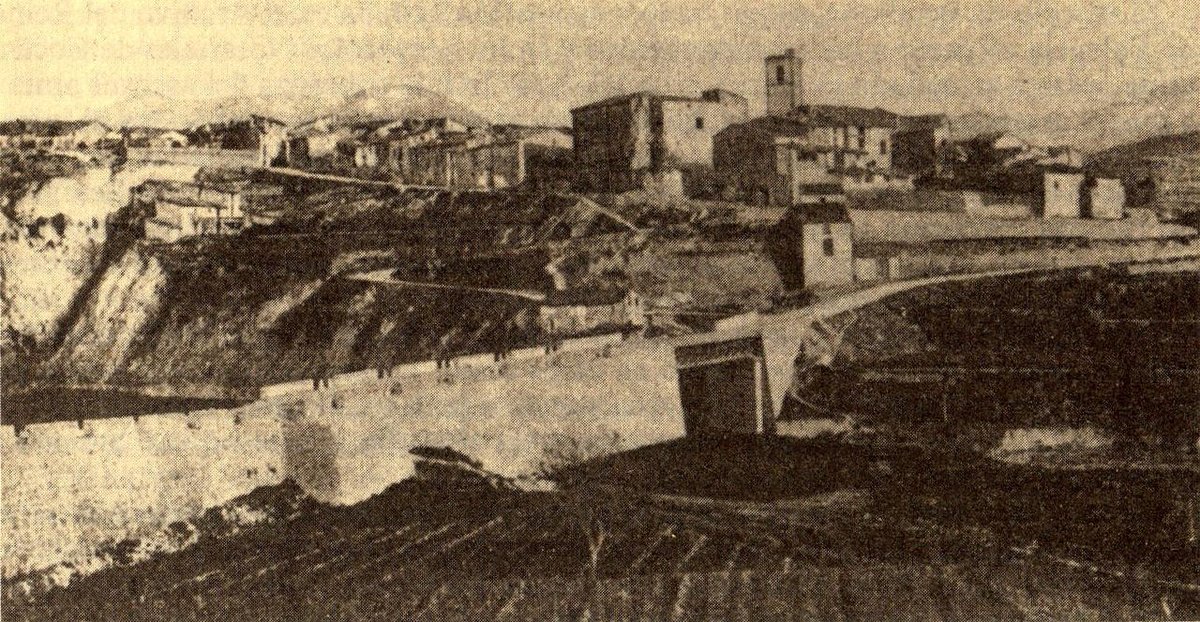
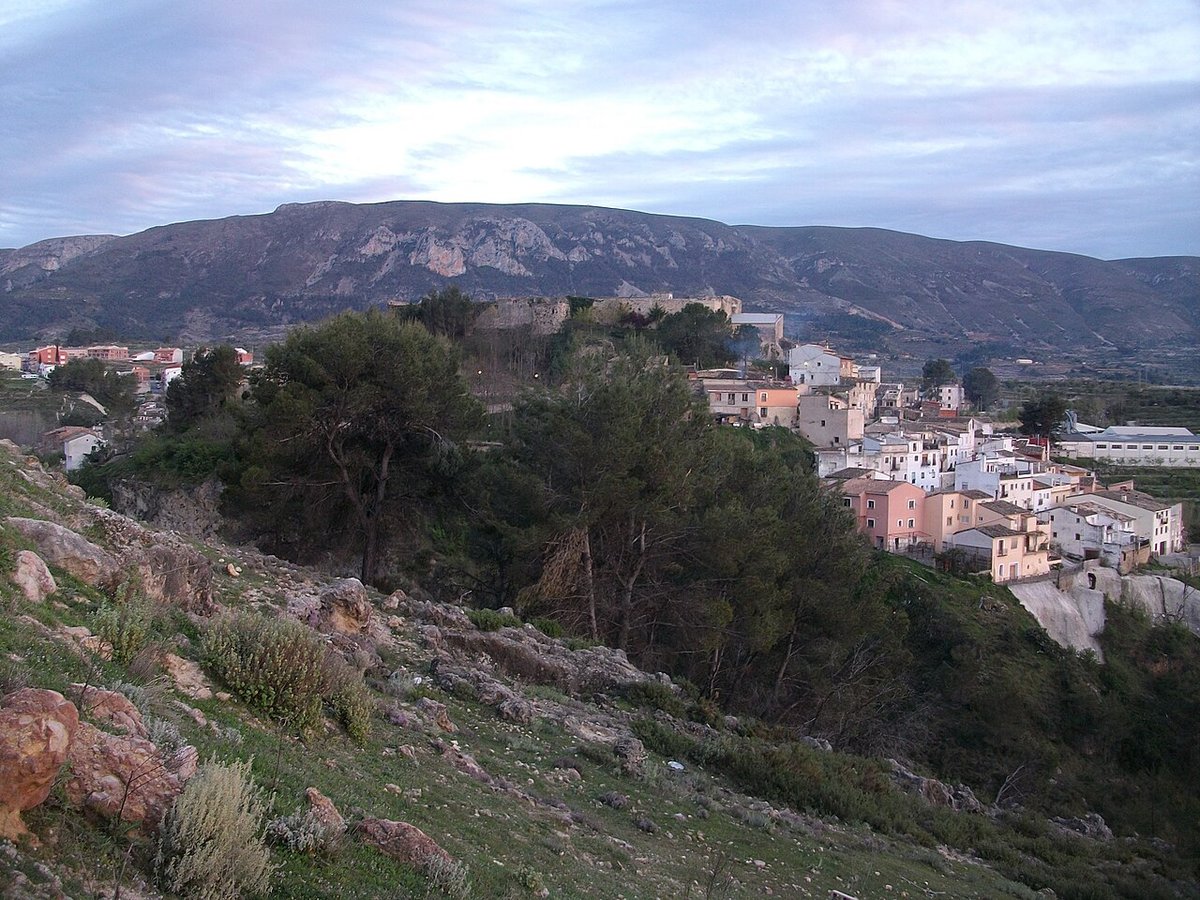
Gaianes sits 420 metres above the Serpis valley, forty minutes' drive inland from Alcoy. The CV-700 twists up through pine and olive terraces until the road flattens onto a ridge no wider than a cricket pitch. Park on the edge; the rest is negotiable only on foot. Stone alleys, barely shoulder-wide, climb past dwellings whose wooden doors still carry the original iron studs. Plaster peels in satisfying patches, revealing ochre layers like tree rings. There is no interpretation centre, no multilingual signage, no craft shop selling fridge magnets—just the village, existing.
Stone, Sky and Silence
The 18th-century church of San Pedro Apóstol anchors the settlement. Its honey-coloured masonry glows amber at dusk, a useful natural clock for photographers. Inside, baroque altarpieces glimmer with gold leaf that feels almost ostentatious against the plain stone walls. Visit between 18:00 and 19:00 and you'll share the nave with women reciting rosaries in rapid-fire Valencian, their voices echoing off the vaulted ceiling.
From the small square beside the bell tower, four streets radiate. Pick any; they all converge on agricultural terraces held in place by dry-stone walls older than most British cities. These banks, built without mortar, channel scarce rainwater to almond and olive roots. In February the blossom arrives, turning the hillsides into a pointillist canvas of white and pastel pink. By July the almonds have fattened; farmers knock them with long sticks, the crack of shell on earth providing an accidental percussion section to the summer soundtrack.
Walk ten minutes past the last house and you reach the mirador: a waist-high stone parapet that drops straight into the valley. On clear evenings you can see the Mediterranean, a thin silver line thirty kilometres away. The coast swelters; up here a breeze keeps temperatures five degrees cooler. British visitors expecting Costa del Sol heat have been known to ask bar staff for blankets in May.
Eating (and Drinking) Like You're Local
Food choices are refreshingly limited. Bar Tarraso, on the corner of Calle Pare Rich, is effectively the village canteen. Charcoal grills scent the air from 20:00; order the entrecot a la brasa and you'll get a British-thick sirloin, salt-crusted, sliced and served on a wooden board. Chips or lettuce salad are the only sides—choose chips if you want to blend in. House red is a chilled Bobal, light enough for lunchtime yet sturdy enough to accompany grilled meat. Vegetarians survive on goat's-cheese salad drizzled with local honey; vegans should probably pack sandwiches. The menu is in Valencian, but staff will translate cheerfully. Prices hover around €12 for a main; they don't add service unless you're a table of eight or more.
Lunch service ends at 15:30 sharp. Arrive at 15:35 and doors close in your face—no exceptions, even for tearful Brits who've driven an hour. Monday the whole place shuts; plan accordingly. The tiny colmado opposite opens 09:00-14:00 for emergency tins of tuna and baguettes that feel like yesterday's, because they are.
How to Fill a Day Without Spending €20
Morning: follow the signed PR trail that leaves from the cemetery gate. It's an 8-kilometre loop through pine woods and abandoned terraces, dropping to the river and climbing back. Boots aren't essential but trainers with grip help; the descent is loose gravel. Allow two and a half hours, longer if you stop to photograph ruined farmhouses being slowly consumed by ivy.
Midday: retreat to Tarraso for a coffee and slice of tarta de almendra. Spanish visitors drink coffee black; request milk and you'll get a nod that could mean approval or pity.
Afternoon: drive five kilometres to the hamlet of Benimarfull, where the 19th-century laundry house still stands—an open-air stone gallery of wash basins fed by a constant spring. Kids can paddle; adults can contemplate how laundry used to be social media.
Evening: return to Gaianes for sunset from the mirador. Bring your own bottle—public drinking is tolerated if you're discreet—and watch the valley fade through successive shades of violet. Mobile signal here is patchy on Vodafone and EE; WhatsApp calls work if you face north and hold the phone above head height like an amateur surveyor.
The Catch (There Always Is)
Public transport reaches Muro de Alcoy, ten kilometres downhill, twice daily. From there you're reliant on a taxi that must be booked a day ahead and costs €18 each way. Hire cars from Alicante airport start at £28 a day in low season; the final 3 km are unlit, so first-timers should arrive before dusk. There is no cash machine; the nearest is in Muro. Bring insect repellent in late spring—irrigation channels breed enthusiastic mosquitoes that treat ankles like an all-you-can-eat buffet.
Saturday afternoon and Sunday the village supermarket is shut; Sunday practically everything is. If self-catering, stock up in Alcoy on the way. Winter nights can dip to 3 °C—houses are built to shed heat, not keep it. Some holiday lets offer plug-in radiators that buzz like dying wasps.
The Quiet Verdict
Gaianes offers no postcards, no night-life, no pool complexes. What it does offer is a front-row seat to Spanish rural life that hasn't yet been choreographed for visitors. You will be stared at—politely, curiously—then greeted with an earnest "Bon dia" that assumes you're staying. Return the greeting and conversation may follow: about rainfall, about Brexit, about whether English almond cake is as good as the local version (it isn't). Stay three days and the barman remembers your coffee preference; stay a week and the baker saves you the last ensaïmada.
Leave before you're ready and the ridge road will spit you back onto the A-7 motorway, where lorries thunder towards Alicante and the coast feels suddenly over-amplified. In the rear-view mirror Gaianes shrinks to a single stone bell tower against the sky, still broadcasting its daily timetable to anyone within earshot. The silence it leaves behind is the sort money can't buy—unless you count the price of a hire car and a willingness to do absolutely nothing, gloriously, for a little while.